What happened
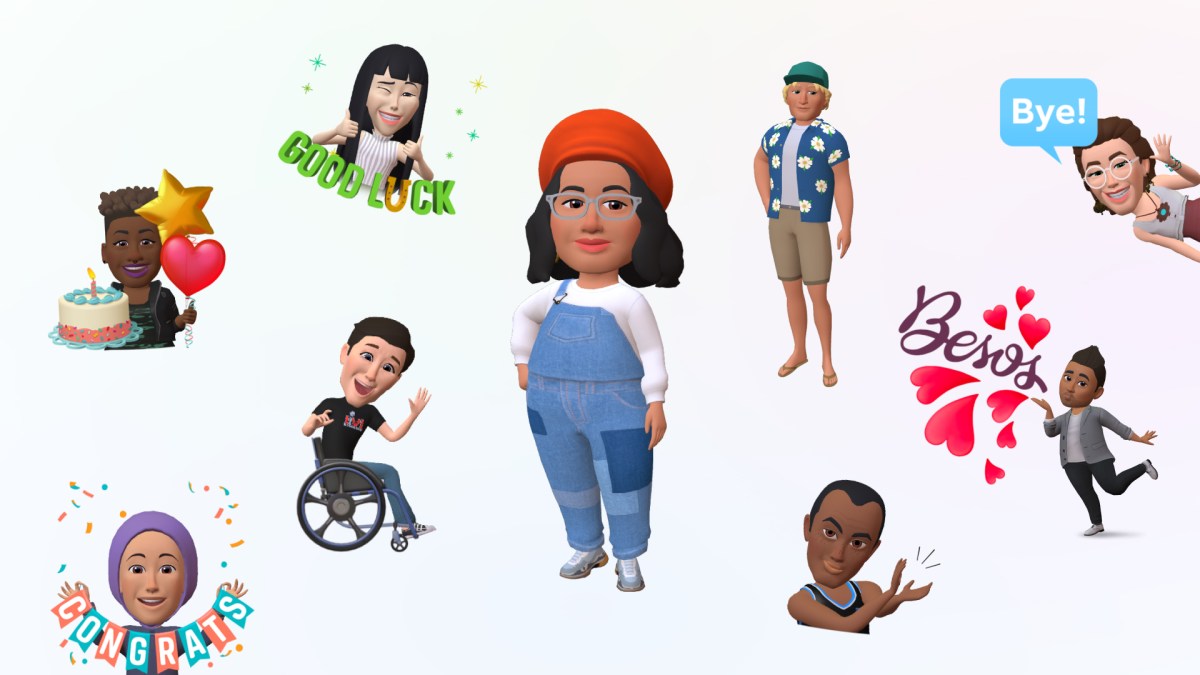
Meta announced on 31 January 2022 that updated 3D Avatars were beginning to roll out to Facebook and Messenger and, for the first time, Instagram Stories and direct messages in the United States, Canada and Mexico. The update added cochlear implants, over-the-ear hearing aids and wheelchairs, alongside new facial shapes and rendering changes.
The company also acknowledged that people might represent themselves differently by platform. At that point, it allowed separate avatars for Facebook and Messenger, Instagram and VR, with optional syncing in Accounts Center. The post supports those announced options and regions; it does not show whether the assistive-device depictions met users’ needs or how syncing worked in every account state.
The human implication
Adding an assistive device is more consequential than adding a seasonal shirt. It can let a person represent a visible part of everyday identity, but a generic or awkward depiction may reduce a lived object to a symbol. Placement, color, body interaction and use in motion all influence whether the option feels integrated rather than attached.
The choice between separate and synced avatars is equally important. Consistency can reduce repetitive setup, while separation lets a person respond to different audiences and contexts. A work-facing profile, family chat and VR world may call for different presentations without making any of them false. Good systems make that choice reversible and explain what data moves when identities sync. Meta’s update is useful history because it paired broader representation with explicit cross-app identity management. The announcement documents the offer, while the quality of either feature requires evidence from people who used it.
Sources & limits
Meta verifies the regional rollout, added assistive devices and separate-or-synced avatar options; adequacy and user experience are not established.
- More Options, More Platforms and Super Bowl LVI Shirts for Avatars
first-party · 31 January 2022 · Retrieved 15 September 2026
Send a correction with the passage and supporting source.