The reader’s map / Four starting points
Follow a question.
Find your next thread.
You don’t need to read the whole archive. Pick the job you’re doing—or the question you can’t leave alone.
01 / Making / commissioning
Build a character that survives the handoff.
For artists, riggers and creators moving from an idea to usable files. Read the foundations, then use the new practical guides to turn questions into an acceptance checklist.
- A first show before a final avatar.
- Write an avatar commission brief that can survive the handoff
Help a commissioner and maker agree on observable model behavior and a complete delivery package before production begins.
- Move a VRM 0.x avatar to VRM 1.0 without guessing what survived
Give an avatar owner a reversible way to evaluate a VRM 0.x-to-1.0 migration across the apps and motions they actually use.
- Budget a VRChat avatar beyond the triangle count
Help a VRChat avatar maker allocate a current, platform-specific performance budget across all ranked systems rather than chasing one polygon target.
- Version an avatar model so you can actually restore it
Help an avatar owner package editable sources, runtime files, configuration and provenance into a version that can be restored rather than merely copied.
- Check avatar permissions and creator credit before the model travels
Help a model user record what each creator and embedded metadata says before use, modification, redistribution or transfer to another operator.
02 / Performing / production
Make the performance readable.
For performers and producers connecting expression, tracking and capture. Keep the audience experience in the picture, including captions and privacy boundaries.
- The nod may matter more than the likeness
- Choose webcam, phone and body tracking by following the data
Help a creator choose and troubleshoot tracking by matching observed motion, processing, transport and rig support to the performance they want.
- Turn face-tracking numbers into expressions people can read
Help a performer or rigger diagnose why technically active face tracking still looks flat, noisy or unlike the intended character.
- Fix transparent avatar capture by tracing alpha and source order
Help a creator locate the stage that breaks an avatar’s transparency before changing unrelated scene settings.
- Build captions and access cues into a virtual performance
Help a virtual performer plan captions and non-audio access without treating one automatic-caption switch as the entire accessibility workflow.
- Keep a character capture from exposing the operator behind it
Help an avatar performer reduce accidental identity linkage across captures, accounts, devices and recovery procedures without offering false anonymity assurances.
03 / Culture / platform history
Worlds, communities and what remains.
For readers interested in how an avatar becomes part of a place. These case studies connect creative systems and gatherings with the difficult question of continuity when a service changes.
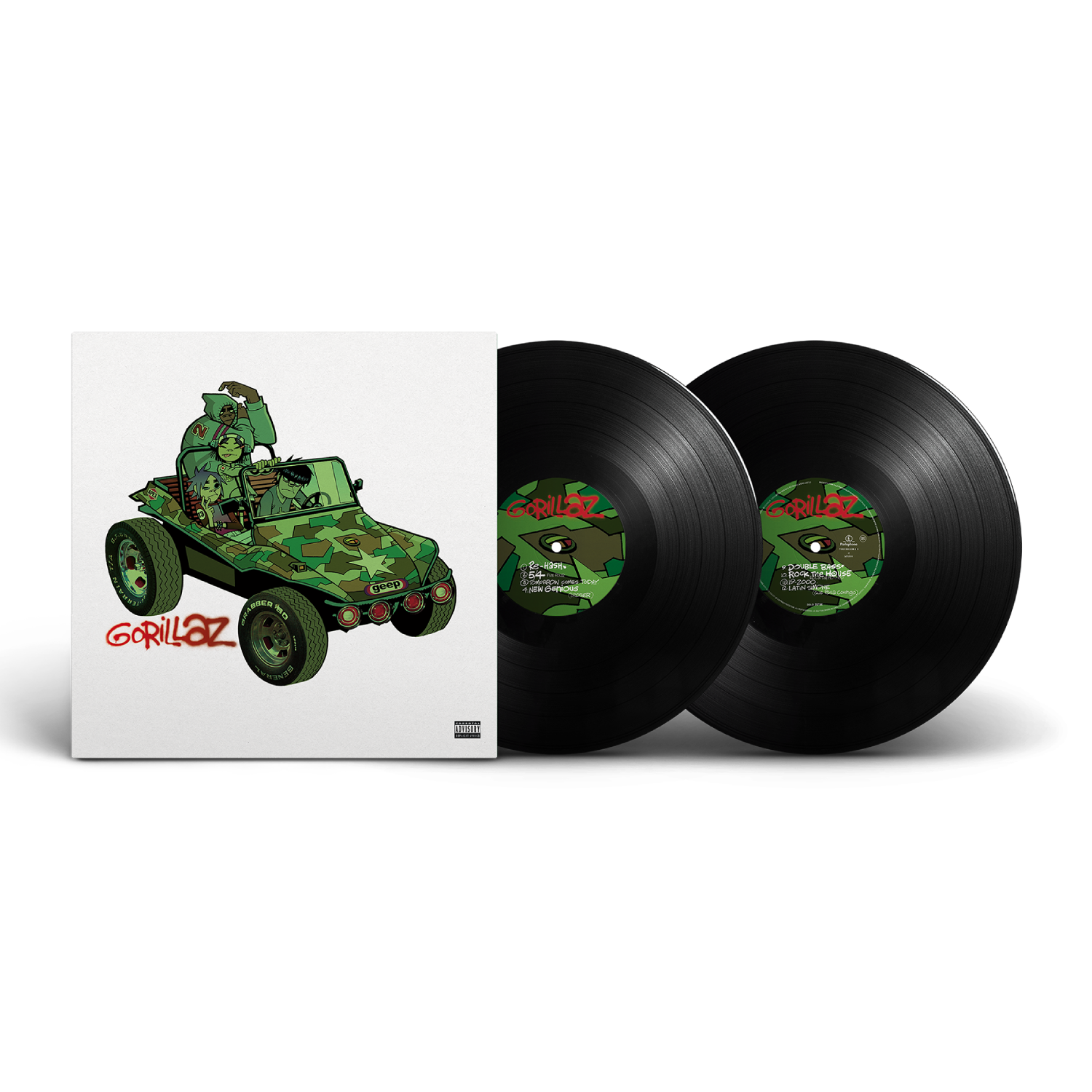
- Gorillaz Made the Band Portrait Part of the Music
Learn how a fictional music act can keep character, artwork and performance identity coherent without pretending the illustrated members erase their human makers.
- PlayStation Home Made the Console Lobby a Place
Understand why a persistent social lobby needs useful places, recurring activity and communication tools around its avatar editor.
- Adobe's Mixamo Deal Made Rigging a Reusable Step
Understand what an automatic rigging service can standardize, which character shapes it excludes, and what files a creator still needs to preserve.
- VRoid Hub Separated Making a Model From Sharing It
Understand the separate decisions involved in authoring an avatar, presenting it publicly, and permitting other people or services to use it.
- AltspaceVR's Sunset Showed Why Saving Assets Is Not Enough
Plan separately for saving world assets and preserving the people, schedule, identity and context that made a recurring virtual venue meaningful.
- Virtual Market Turned Avatar Goods Into an Exhibition
See how themed spaces, booths and embodied browsing can help people evaluate avatar goods that are difficult to understand in a flat catalog.
- VRChat Impostors Keep an Avatar Recognizable When the Full Model Cannot Load
Understand how to preserve a character's recognizable identity when device limits or safety settings prevent the full avatar from rendering.
- Mozilla Hubs Shut Down, but Its Code Did Not Disappear
Understand what open-source continuity can preserve after a hosted social world closes, and which operational and community layers still need separate plans.
- Xbox Avatar Editor's Retirement Plan Split One Avatar History in Two
Distinguish an editable avatar system, its older parallel system and the static images that can outlast either editor.
- IMVU's Derivation Chain Turns One Product Into Someone Else's Starting Point
See how a virtual-goods catalog can support layered creator roles while making dependencies, fees and permissions part of the design.
04 / Research / critical reading
A digital body is not a simple experiment.
For curious readers and researchers. Move from self-presentation to embodiment, then examine where a dataset stops short of a general claim.