Where the participant stood mattered
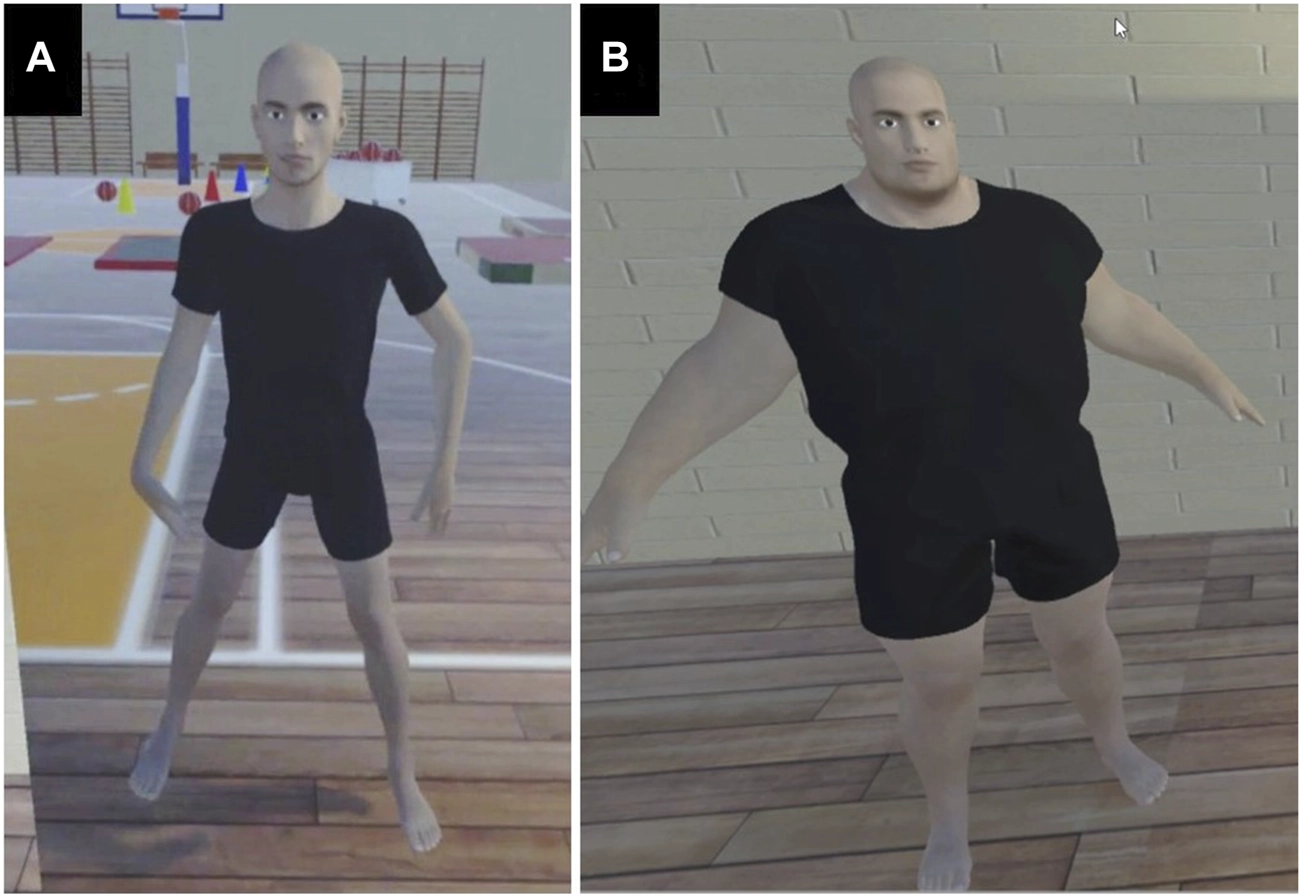
Mar Gonzalez-Franco and colleagues assigned 20 male participants to first-person or third-person avatar customization. Participants then experienced a self-avatar and a larger-sized body. The authors report reduced embodiment following third-person customization; in the first-person condition, higher embodiment was associated with reduced implicit bias toward larger-sized people. The limited participant group and experimental measures do not establish lasting attitude change or benefits for every user.
An editor can be part of inhabiting a body
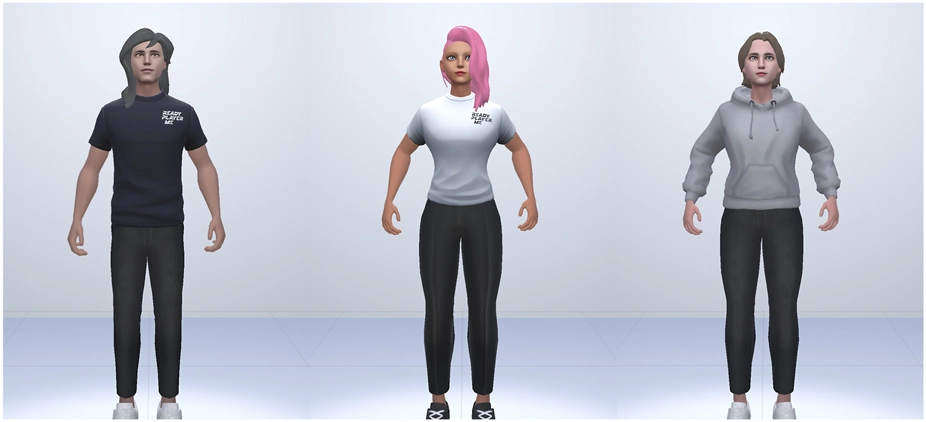
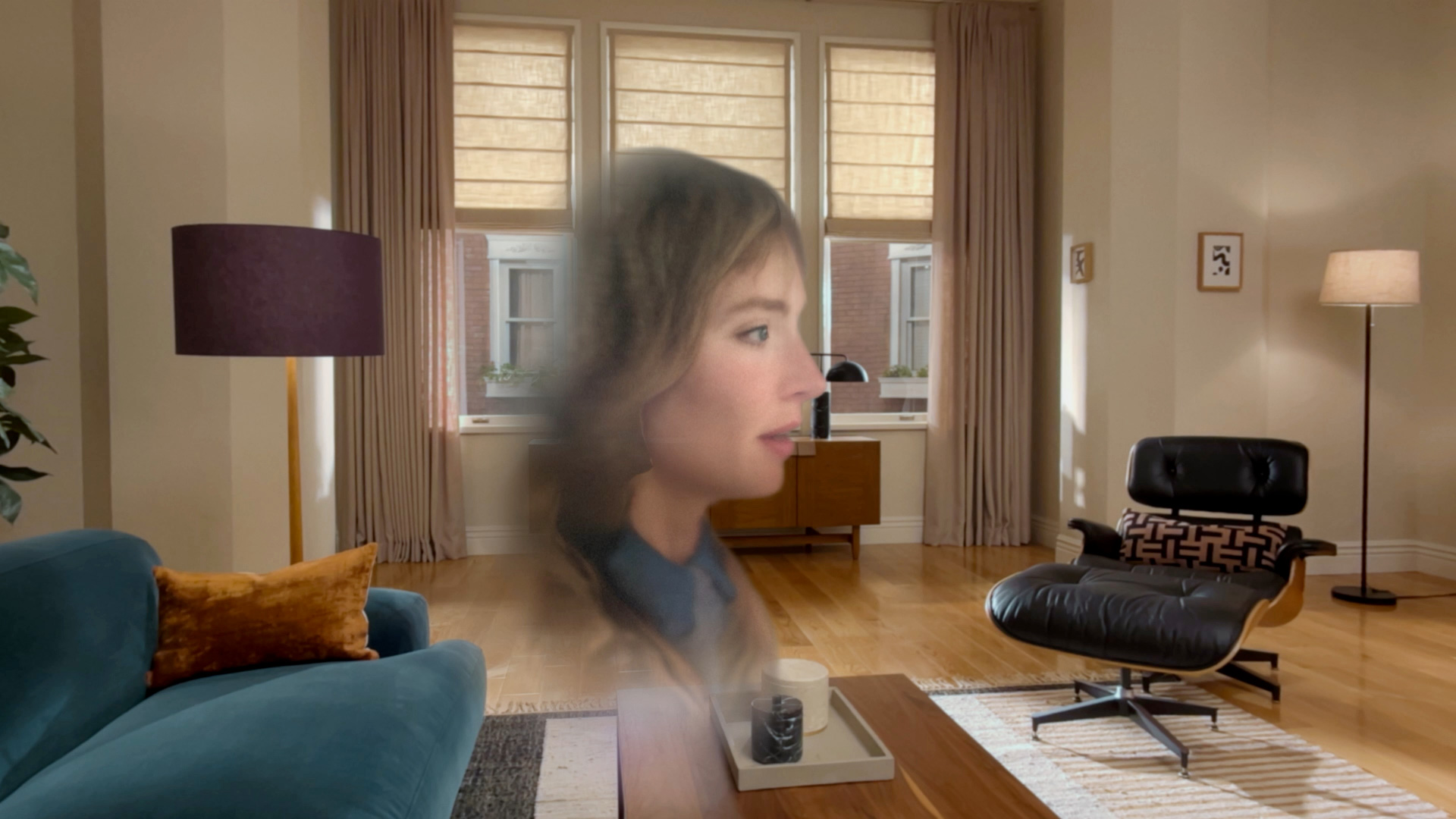
Most character screens give you a model to inspect: turn it, tweak it, try another hairstyle. A mirror inside a virtual room changes where you're standing in that process. You're making choices while already occupying the scene. Adjusting an arm on a distant figure and watching an arm move with your own body are related actions with different points of view. The editor itself becomes part of the experience.
For creator tools, this suggests that customization deserves attention as an experience, not simply a step to finish before the real product starts. A preview that responds to movement can reveal clipping, proportions or expressions that a rotating thumbnail conceals. It can also help somebody decide whether the character feels appropriate for their intended role. Those practical possibilities should be tested directly rather than assumed from a laboratory questionnaire.
Keep the attitude claim narrow
The paper also touches a sensitive temptation in immersive-media coverage: describing a short encounter as a machine for understanding other people. An association with an implicit measure is more limited than that promise. It does not substitute for lived experience, establish durable changes in conduct or justify a prescribed body type. The stronger editorial question is how the interface shaped this particular experience of embodiment. Show the participant sample, the viewing conditions and the measures together. Readers can then see why the result is interesting without being asked to believe that an avatar editor resolves social bias.
Sources & limits
Twenty participants, all male, in a controlled experiment. An association involving an implicit measure is not evidence of durable attitude change.
- The impact of first-person avatar customization on embodiment in immersive virtual reality
original-research · 21 August 2024 · Retrieved 15 September 2026
Send a correction with the passage and supporting source.