research 2026
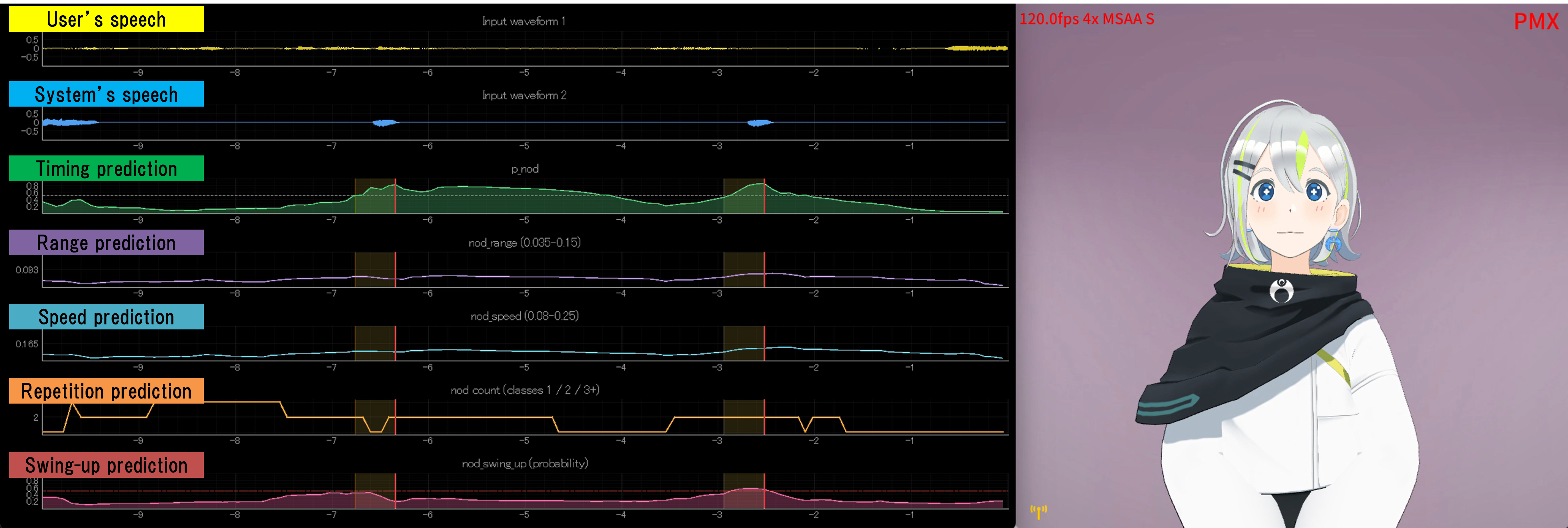
A nod has more moving parts than you'd think
One research team tested the timing, speed and shape of an avatar's nod. Looking attentive is still different from understanding a conversation.
Read the storyResearch / 28 complete stories
The nerdy questions are often the good ones. Get into how a study worked, what it found, and where the evidence runs out.
Archive dates refer to the original source or event. All entries were prepared in September 2026.
Browse the source register ↗28 stories
All topics · All years · All types
Try a broader phrase or use Clear filters to explore the archive again.
research 2026
One research team tested the timing, speed and shape of an avatar's nod. Looking attentive is still different from understanding a conversation.
Read the story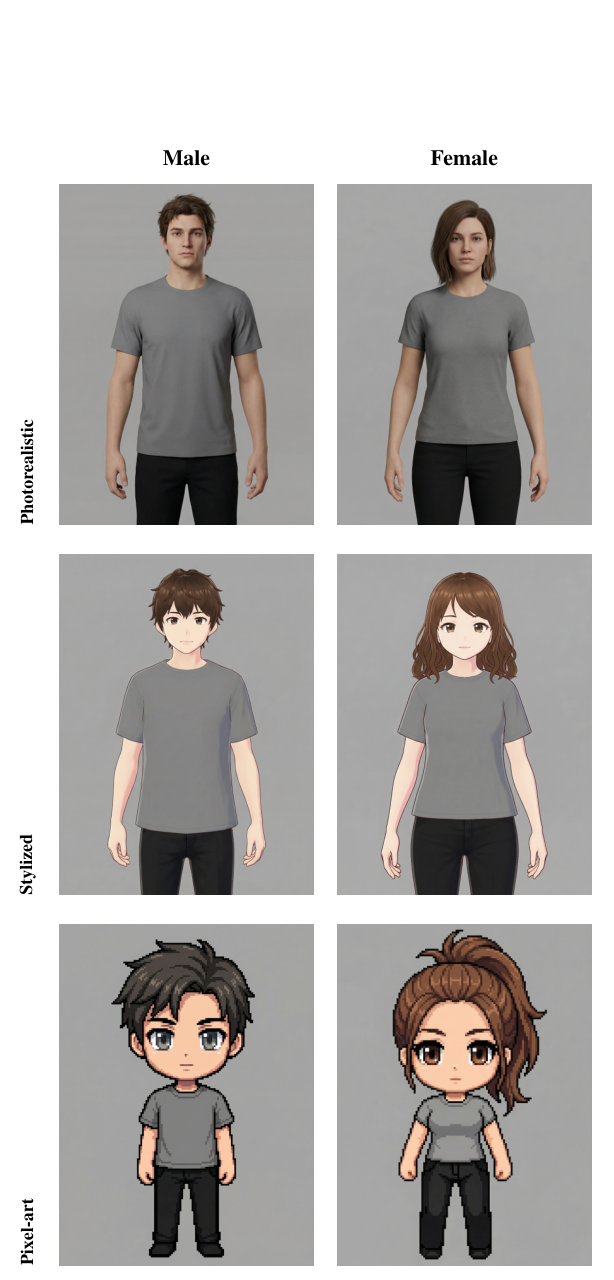
research 2026
An audit crosses avatar style and voice presentation to examine how models make social choices from synthetic character cues.
Read the story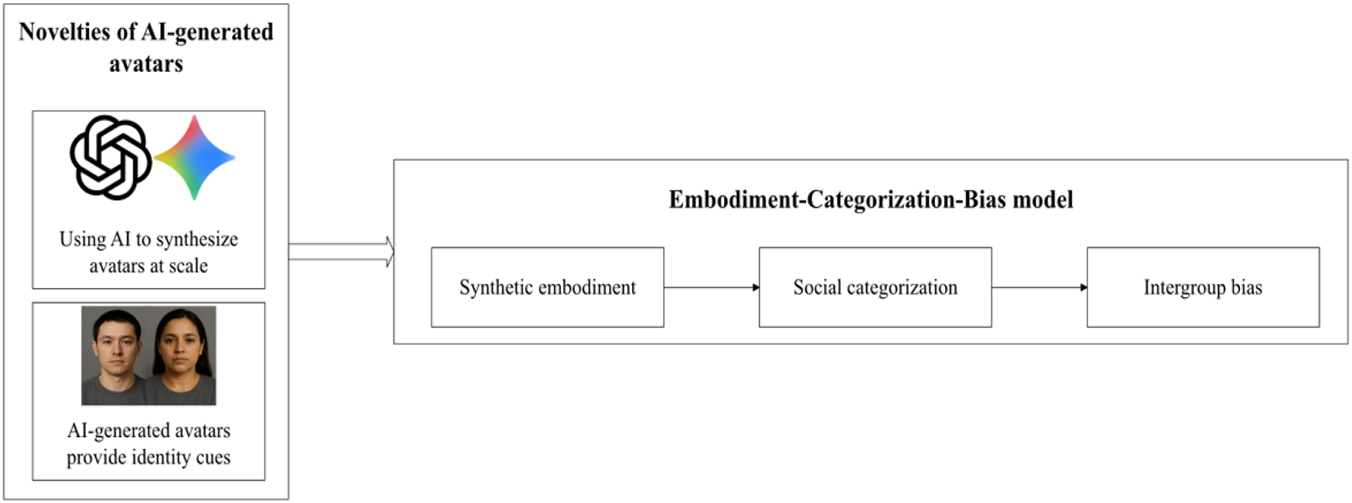
research 2026
A 2026 theory paper proposes a way to study generated identity cues. Its most useful boundary is the one between a demonstration and evidence.
Read the story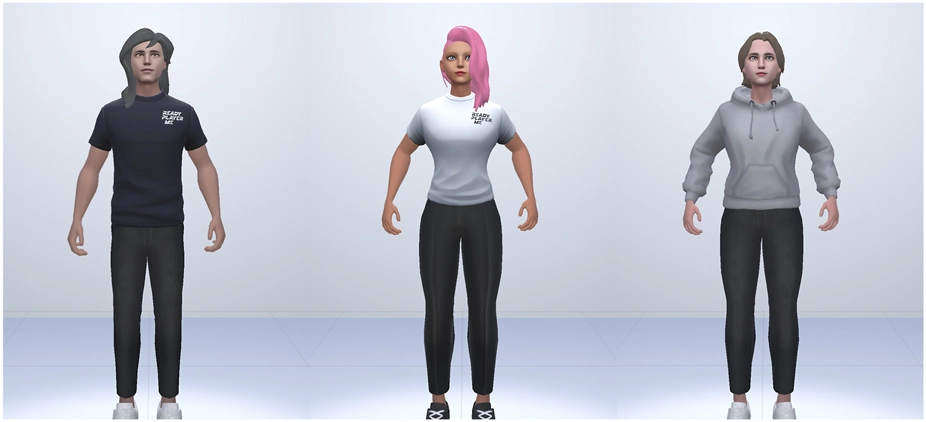
research 2026
A 2026 experiment compares generic, self-configured and photo-generated bodies without treating a likeness as the only useful outcome.
Read the story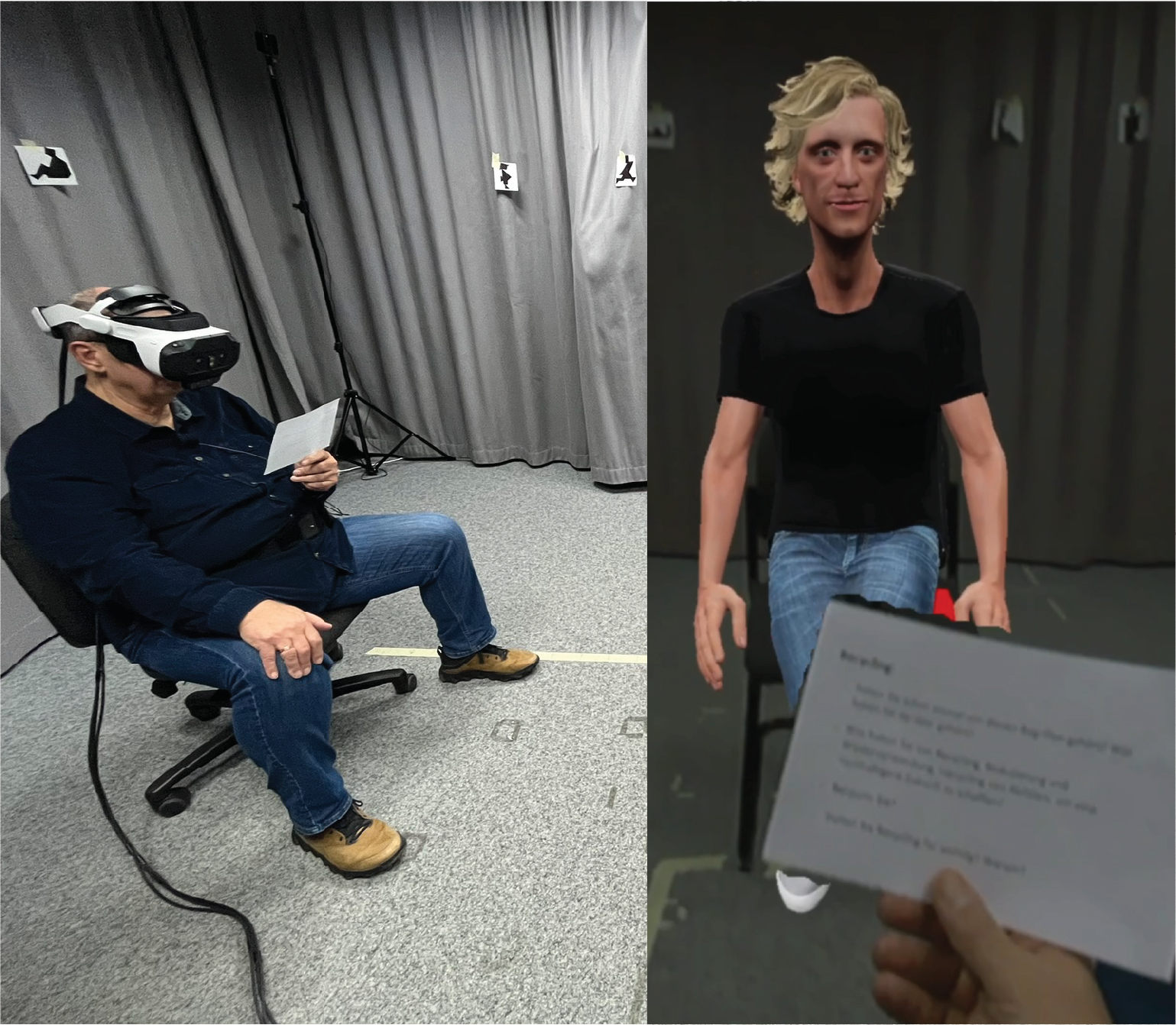
research 2026
A small comparison with older adults asks what changes when a remote conversation acquires a digital body or a physical machine.
Read the story
research 2025
A large comment corpus shows how viewers make meaning around one AI-driven VTuber. The scale is substantial, but the case does not erase the people who build, moderate and sustain the act.
Read the story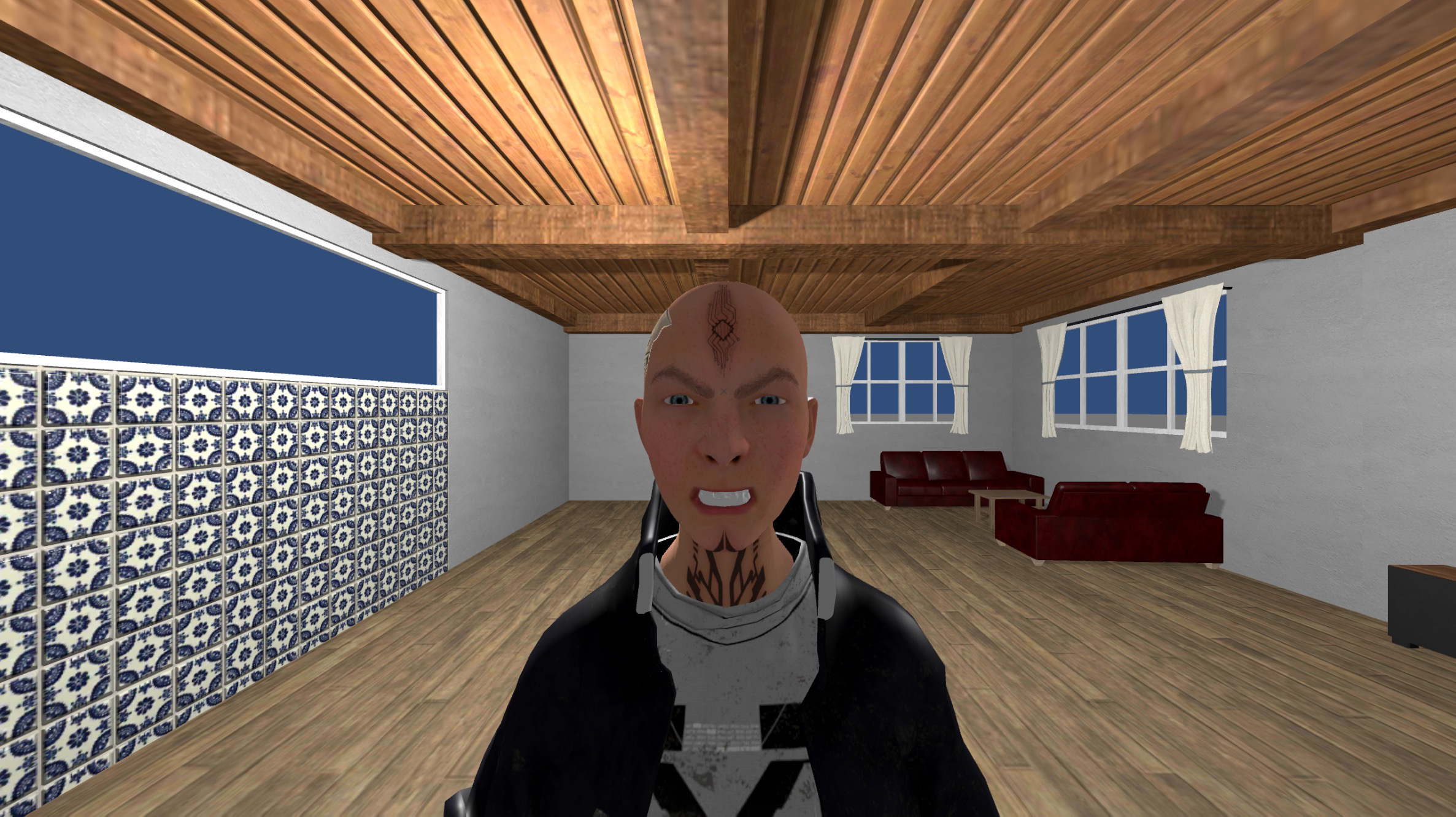
research 2025
A small experiment separates personal-space intrusion from facial expression, giving virtual hosts a more useful question than how realistic their face looks.
Read the story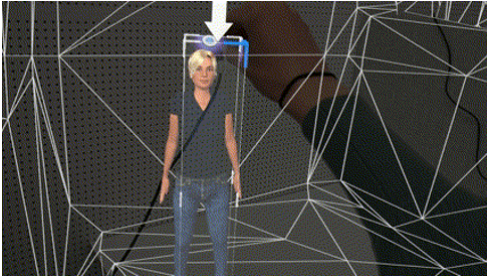
research 2025
German Sign Language users preferred the idea of customization, but an adjustable avatar did not significantly improve comprehension or experience and demanded more effort.
Read the story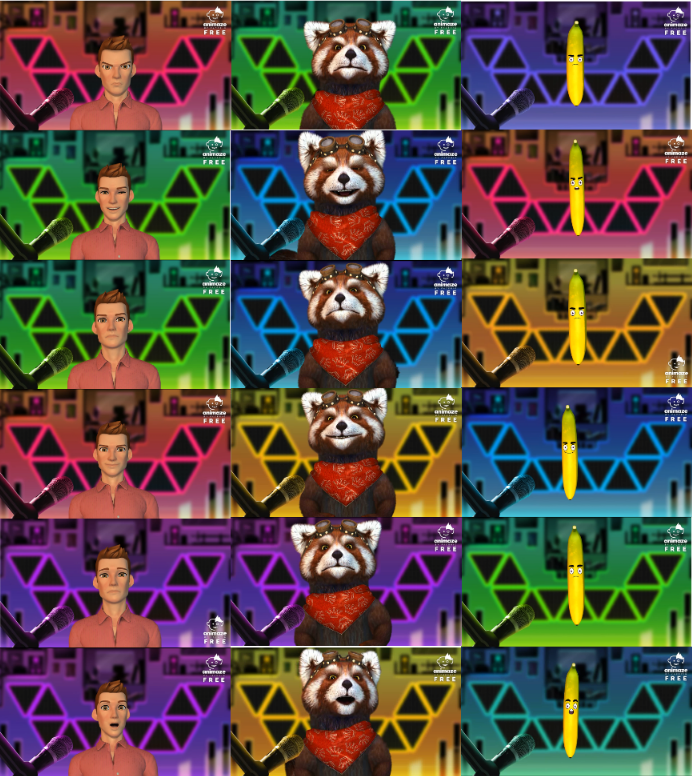
research 2025
Can you read the same emotion on a human, a raccoon and a banana? A small study gets into the wonderfully awkward details of designing an expressive face.
Read the story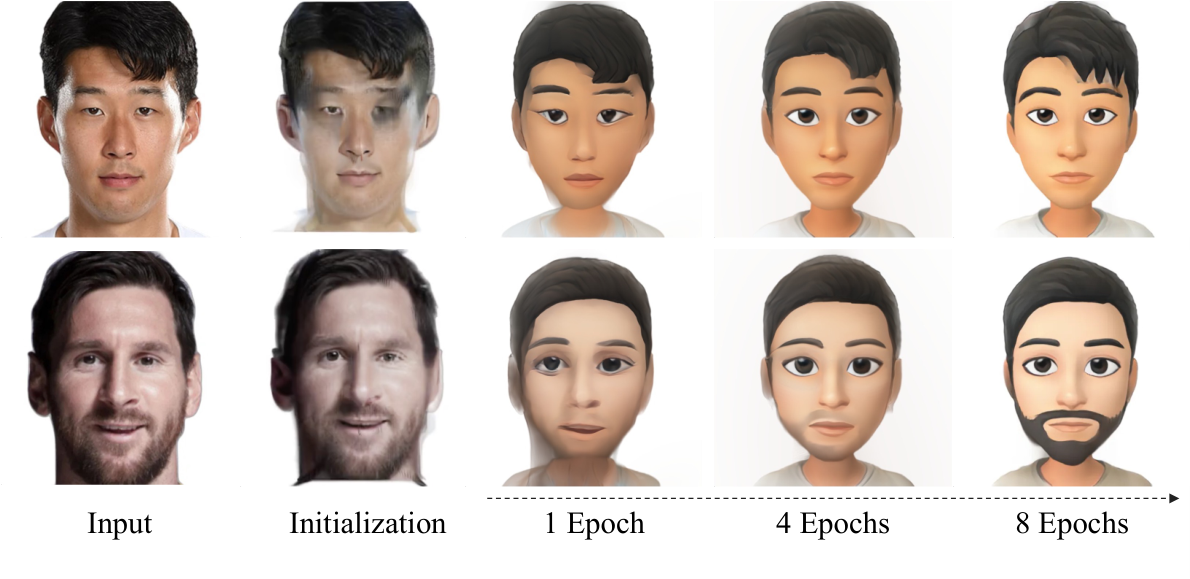
research 2025
A research avatar can become cartoon, yarn or toy. The harder question is who decides that the result still feels like them.
Read the story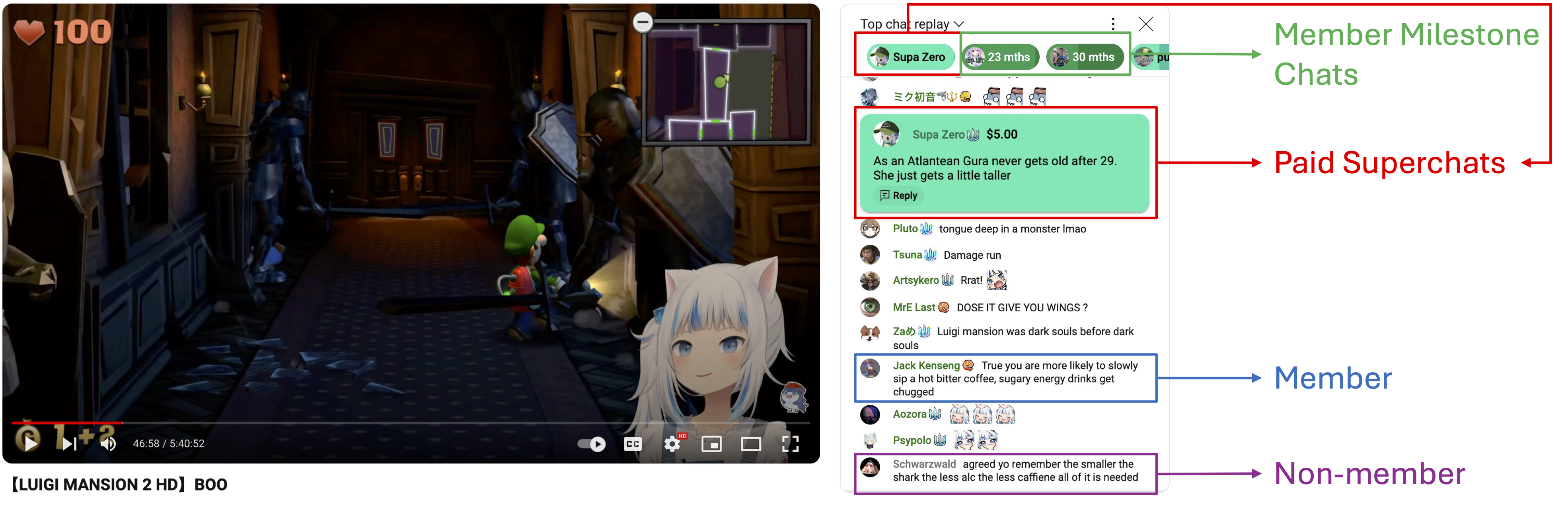
research 2025
A study of virtual creators shows why the shape of the data matters before a headline becomes somebody’s career plan.
Read the story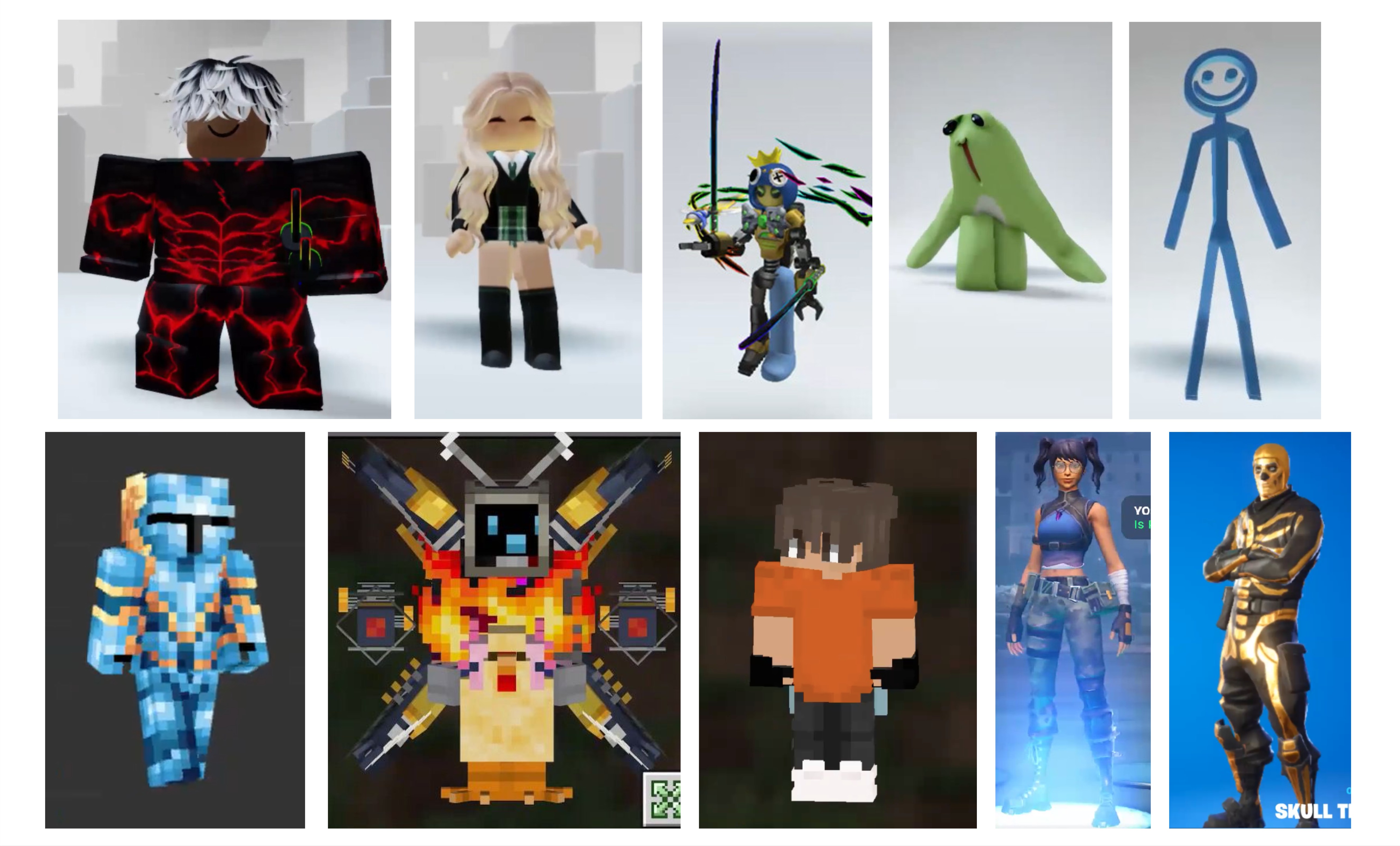
research 2025
A study of avatar making looks beyond the purchase to self-expression, belonging and the favorite character that gets worn again.
Read the story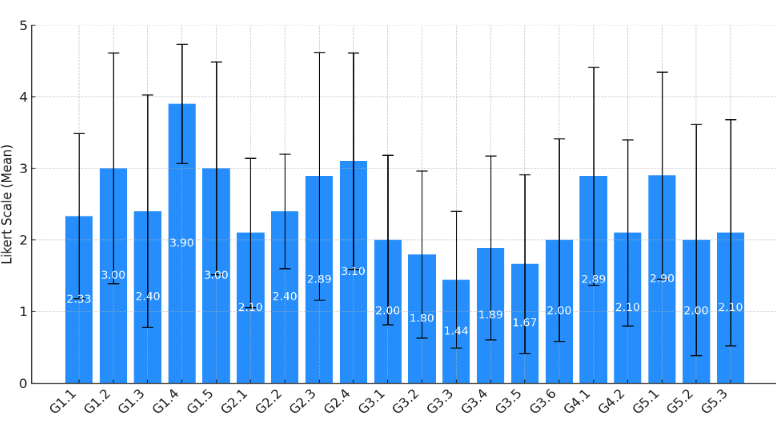
research 2025
A set of disability representation guidelines moves attention from a list of objects to how an avatar behaves and can be changed.
Read the story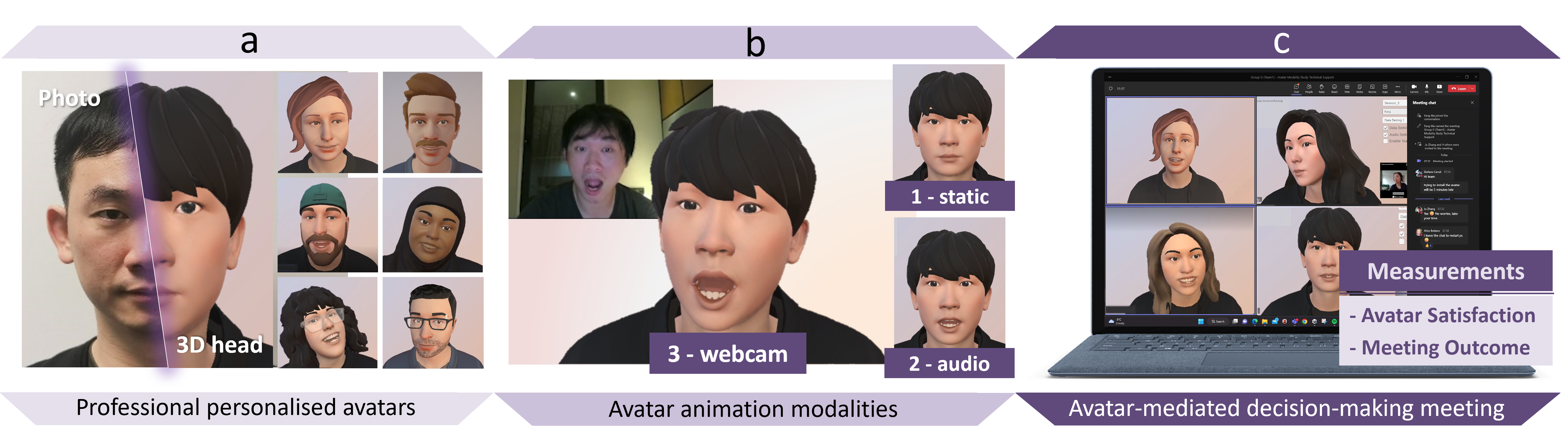
research 2024
A meeting experiment isolates animation modes and finds a useful reason to care about small, meaningful movements.
Read the story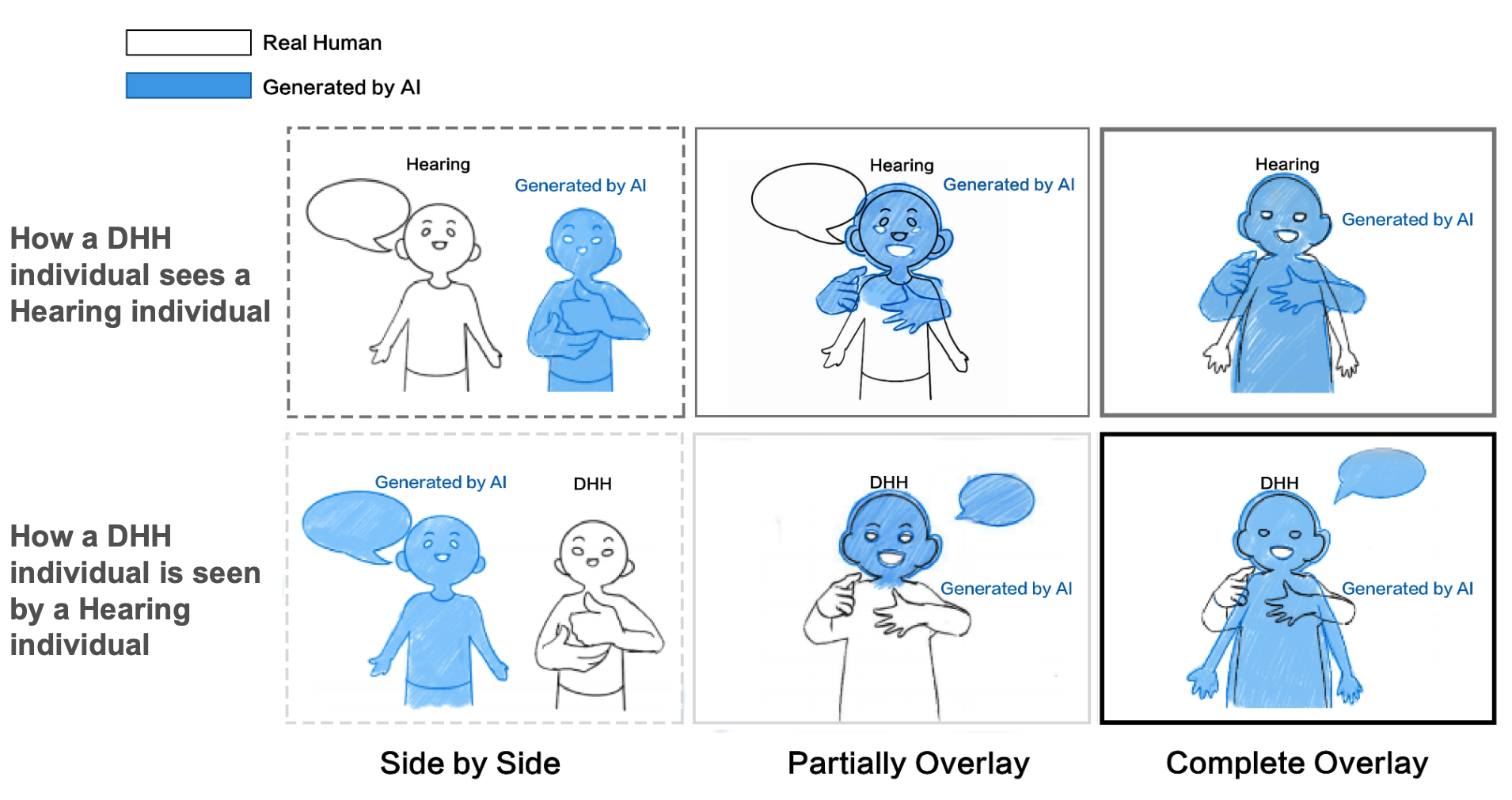
research 2024
Fifteen DHH students used participatory design to imagine mixed-reality communication. Their sketches describe desired control and social norms; they do not validate an AI interpreter.
Read the story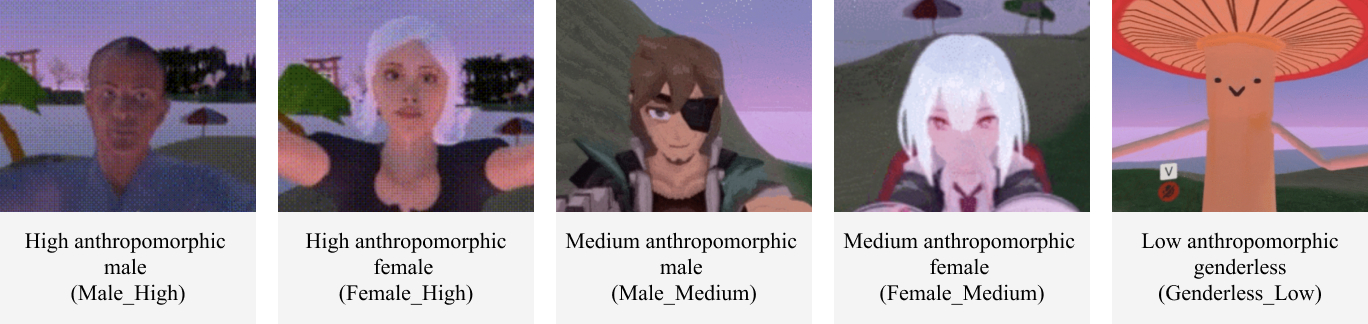
research 2024
A mixed-methods study finds that avatar appearance can shape harassment judgments alongside behavior. That makes appearance a design concern, not a substitute for conduct rules.
Read the story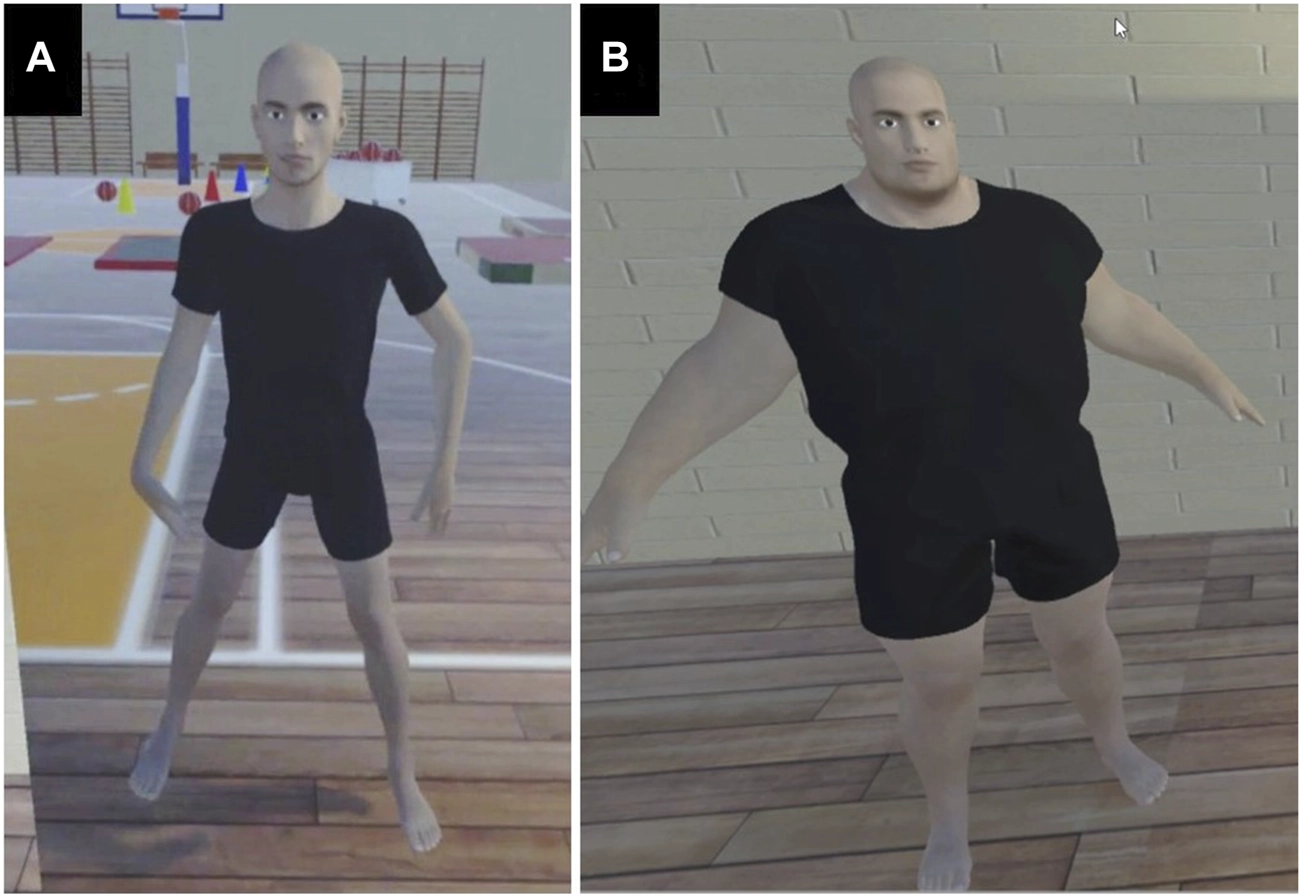
research 2024
Choosing a body while you're already in VR may feel different from tweaking a distant model. A small study puts that difference under the microscope.
Read the story
research 2024
Microsoft Research demonstrated audio-driven talking faces while explicitly withholding an online demo, API and product release because of misuse concerns.
Read the story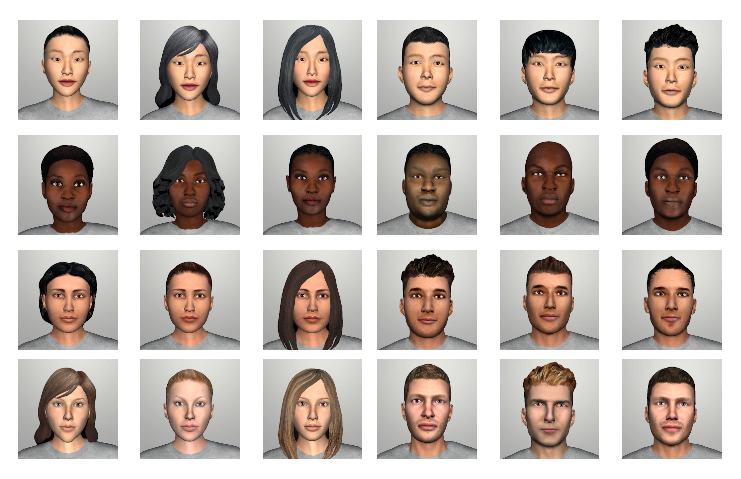
research 2024
A controlled study of matched avatar traits makes a case for meaningful choice, with limits on what “matching” can mean.
Read the story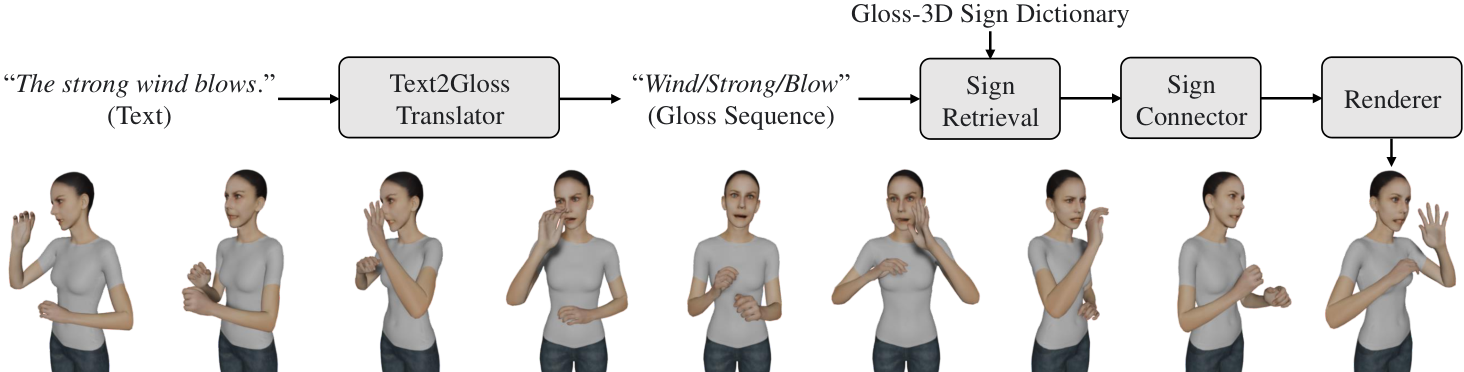
research 2024
Spoken2Sign turns text into an animated signer. Following the steps reveals what a polished character can show—and what it can hide.
Read the story
research 2023
A qualitative study of Chinese-speaking VTubers treats the avatar as a medium for identity work, performance and gender expression. Its interview and observation boundaries matter.
Read the story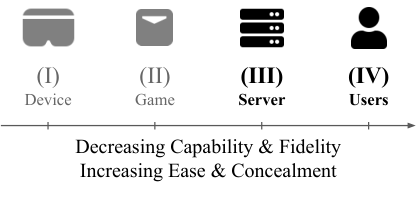
research 2023
A VR study recognized users from head and hand motion within a known dataset. A different face doesn't necessarily break that link.
Read the story
research 2023
An interview study shows why representation and control over disclosure need to be designed together.
Read the story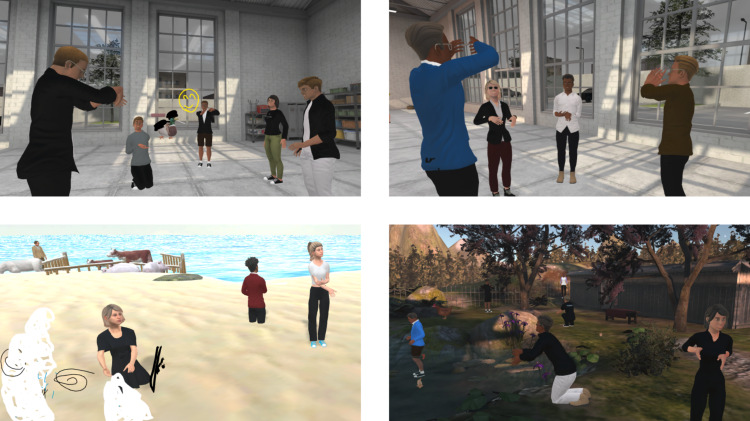
research 2023
A study of repeated social VR sessions follows how groups use distance and orientation over time, giving world builders evidence beyond a single demo.
Read the story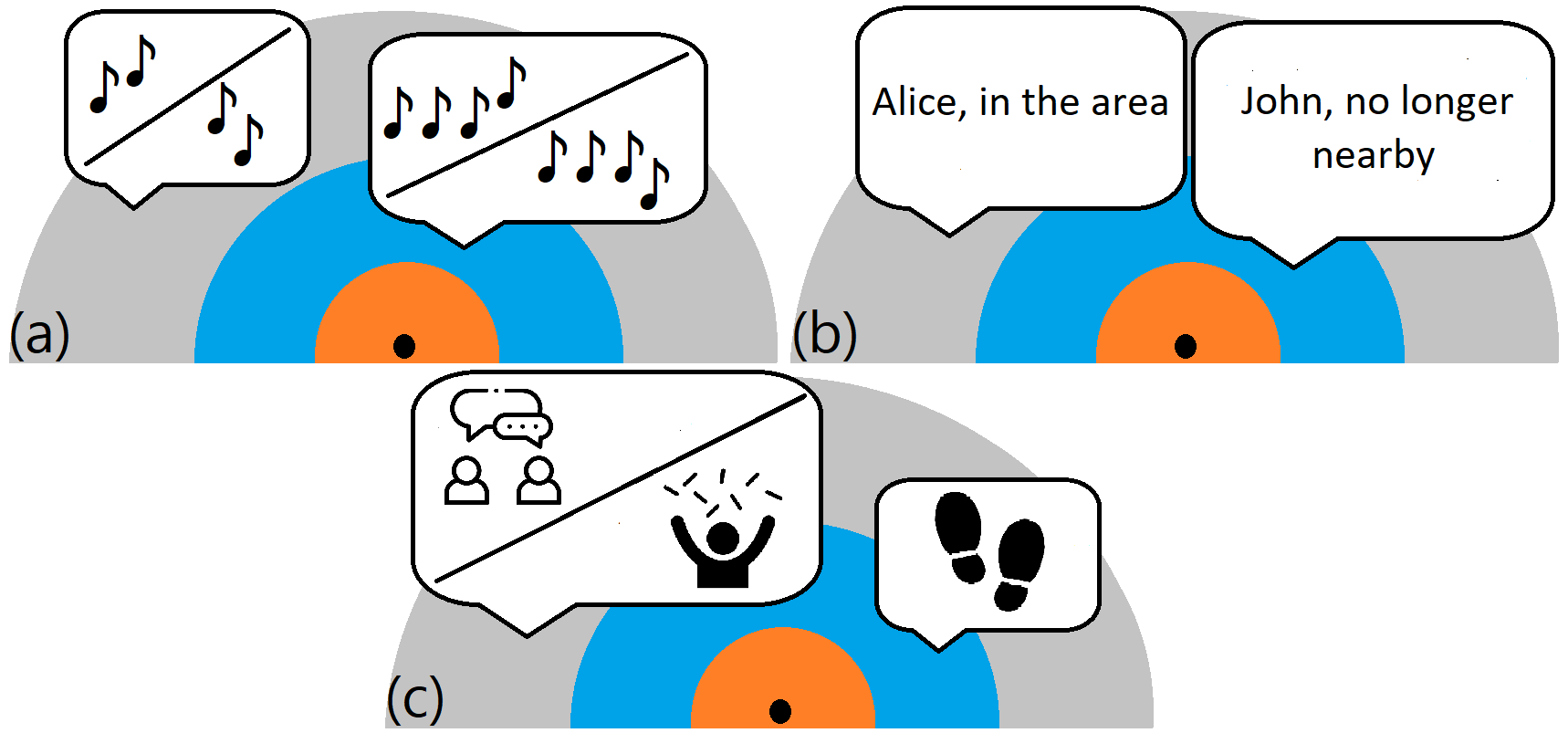
research 2022
VRBubble turns social distance into configurable audio information—and shows why more information can also become a burden.
Read the story
research 2019
An automated conversational avatar was assessed through eight older adults’ first sessions and research-assistant ratings. That is evidence about dialogue handling, not health outcomes.
Read the story
research 2007
A foundational experiment asks whether a digital body changes its wearer. The answer needs its laboratory boundaries.
Read the story
research 2001
A 2001 study of gaze and interpersonal distance shows why avatar history includes behavior as well as better graphics.
Read the story