What the study follows
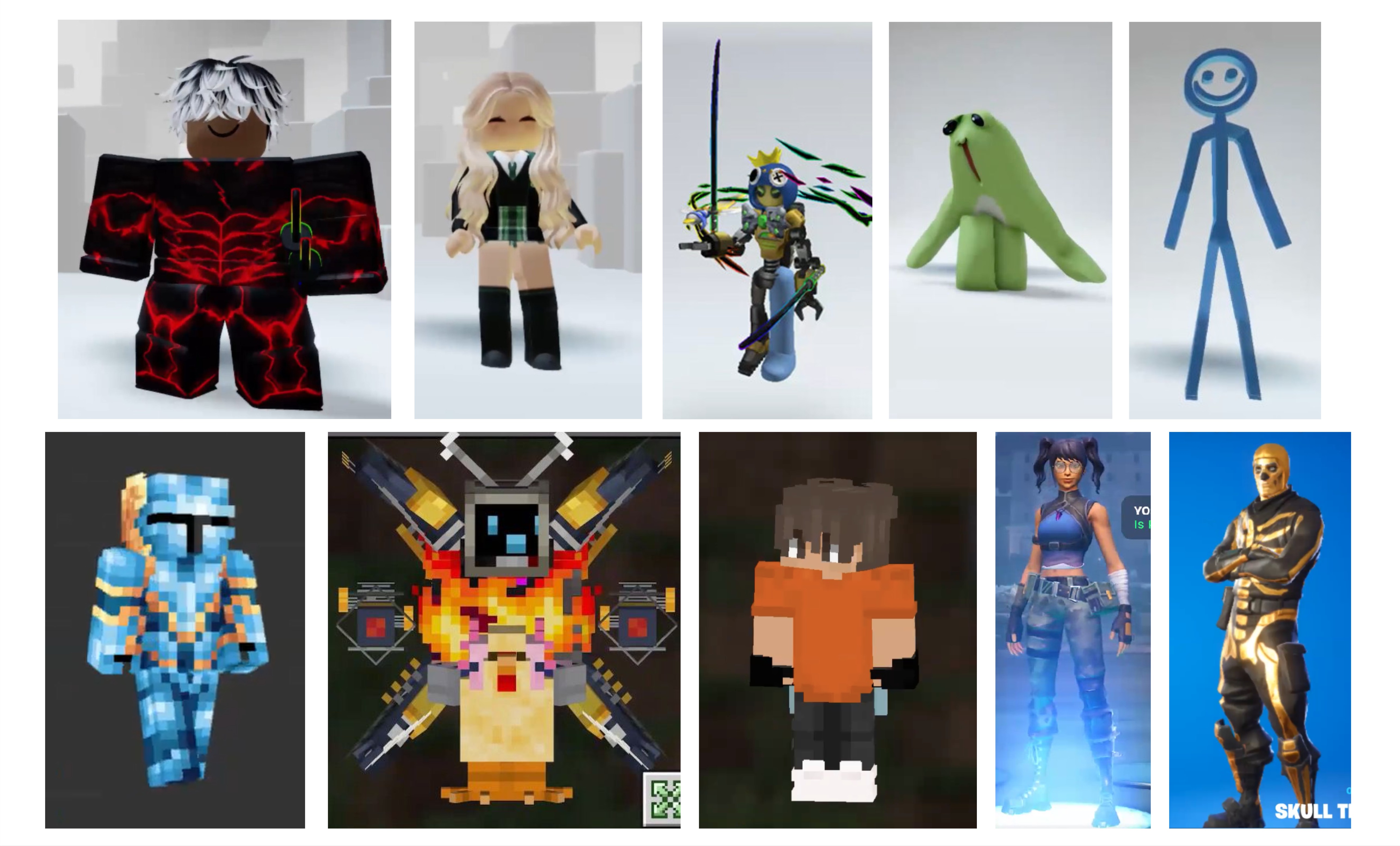
Yue Fu and colleagues used interviews and gameplay observation with 48 participants aged 8 to 13. They describe avatar making motivated by self-representation, alternate identities, social needs and perceived gameplay benefits. Monetization also shaped the choices. The paper identifies a wardrobe effect: participants could create several avatars while returning consistently to a favorite. These findings describe the study participants, not every child or every game.
Buying is only one part of the story
A digital outfit can carry a joke shared with friends, mark familiarity with a game, or make a player recognizable when they enter a room. Treating every choice as vanity misses that social work. Treating every purchase as free self-expression misses the store surrounding it. The useful view keeps the child’s reasons and the platform’s commercial design in the same frame.
For adults trying to understand an avatar, an open question can be more informative than a judgment about appearance: what does this character let you do, and who recognizes it? The answer may concern a role, a friend group, or simply a favorite color. This is a suggested conversation starter, not a tested intervention. Its purpose is to make space for the child’s explanation before assigning a meaning to the visible costume.
Measure a life beyond the checkout
The favorite that survives a wardrobe change also gives platform reporting a useful challenge. Inventory size, item spending and frequency of appearance changes describe different behaviors. None alone tells us whether someone feels included or enjoys playing. A product team evaluating avatar features should state which outcome it hopes to improve and look beyond transactions for evidence. For this publication, the research is a reminder to cover both the choices on offer and the relationships in which those choices make sense.
Sources & limits
Qualitative study with 48 participants. This article offers interpretation, not a diagnosis, a parenting intervention or a market-wide spending estimate.
- Understanding Children's Avatar Making in Social Online Games
original-research · 25 February 2025 · Retrieved 15 September 2026
Send a correction with the passage and supporting source.