A research pipeline with two style decisions
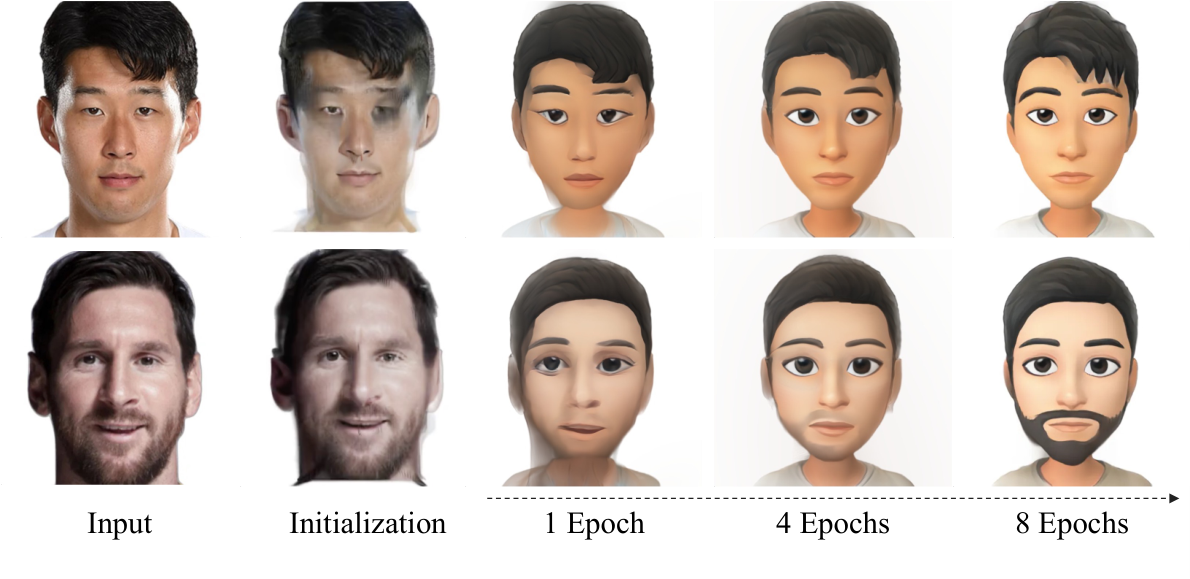
Eric M. Chen and colleagues describe Snapmoji as a system that maps a selfie into a primary avatar style and then applies a second treatment, such as yarn or a toy-like appearance. The work concerns generating animatable three-dimensional characters while retaining identity cues. The authors provide technical demonstrations; the paper is not an announcement that all of these capabilities have shipped in Snapchat.
A likeness has an audience of one, too
A technically recognizable face may still feel wrong to its owner. A softened feature, exaggerated expression or changed hair texture can alter how someone reads themselves. That makes the review step part of the creative product. Automation can help produce candidates quickly, but a useful interface should let the person reject a result without having to argue with a similarity score.
The secondary style is also an editorial choice. Turning a portrait into fabric or a toy can suggest playfulness, collectibility or a particular visual world. Those associations may be welcome in a casual chat and out of place in another setting. A successful avatar tool should make the transformation understandable: which parts are carried forward, which are invented, and what can the wearer revise? Showing several cheerful examples is only the start of answering those questions.
Separate the demo from the promise
When covering a system like this, keep three claims apart: it can render a character, it can animate that character, and a person accepts that character as their representation. Each needs its own evidence. Reported rendering results do not settle the final question. Nor does a research paper establish deployment, consent practices or compatibility with an existing creator workflow. The interesting development is an expanding space of possible faces. The enduring design responsibility is to leave authorship and refusal with the person expected to wear one.
Sources & limits
Research-system description and author demonstrations, not independent testing or evidence of a released Snapchat feature.
- Snapmoji: Instant Generation of Animatable Dual-Stylized Avatars
original-research · 15 March 2025 · Retrieved 15 September 2026
Send a correction with the passage and supporting source.