What the researchers heard
Kelly Mack and colleagues interviewed 18 people with disabilities and related identities about avatar representation. Participants generally wanted to express disability when the setting felt safe and the platform supported that expression. The authors also describe avatars being used to communicate changing abilities and access needs. This is qualitative evidence about experiences and preferences, not a census of what all disabled people want.
A wardrobe is also a disclosure interface
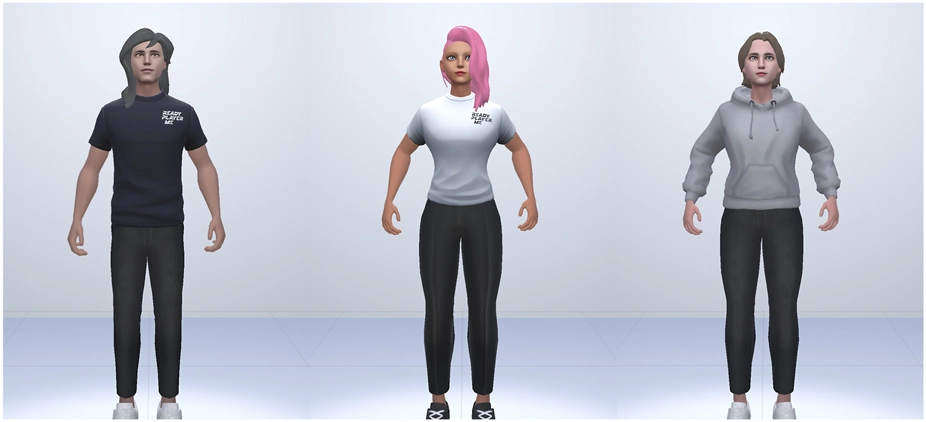
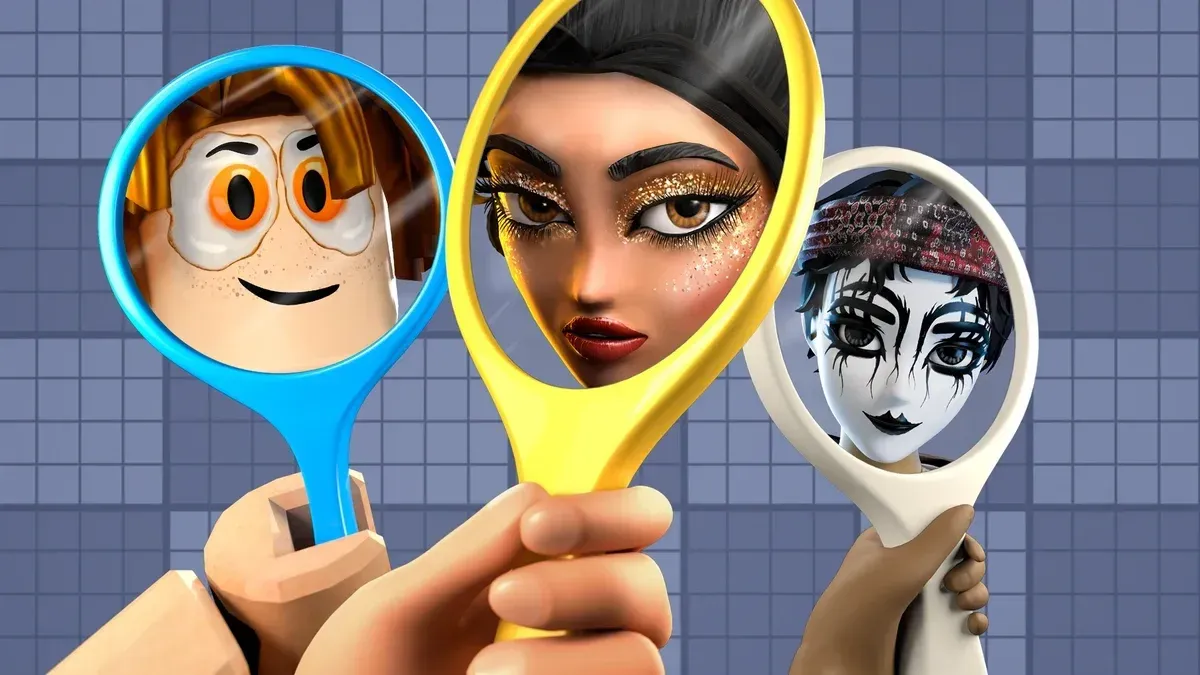
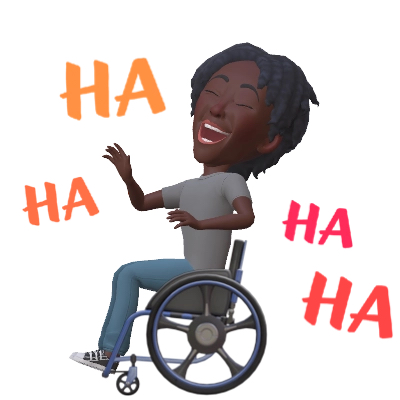
An avatar editor makes some decisions look purely decorative. A wheelchair, hearing device, badge, or pose can carry information that matters in an encounter. Its wearer may want to show it proudly, use it to explain a need, or leave it out in a particular room. The important design question is who controls that choice. An automatic system that insists on visual accuracy could be less respectful than a deliberately flexible one.
For platform teams, the implication is to consider the whole visit. Can a person change a feature without rebuilding their character? Can they choose when other people see it? Does the interface describe the option in a way that treats it as an ordinary part of a life? A catalog with more objects is useful, but the controls around those objects determine whether the person can use them on their own terms.
Read for possibilities, not a representative default
The most practical way to use an interview study is to carry its questions into design review. Invite people with relevant experiences to examine the actual interaction and compensate that work. Do not turn one participant’s preference into a universal preset. In editorial coverage, the same care applies: describe the available expression without guessing a user’s diagnosis or private situation from their avatar. A public character can communicate something meaningful while still leaving much of its wearer’s life private.
Sources & limits
An 18-person interview study supports a range of experiences, not prevalence estimates or a universal preference for visible disclosure.
- Towards Inclusive Avatars: Disability Representation in Avatar Platforms
original-research · 3 February 2023 · Retrieved 15 September 2026
Send a correction with the passage and supporting source.