Same face, different signals
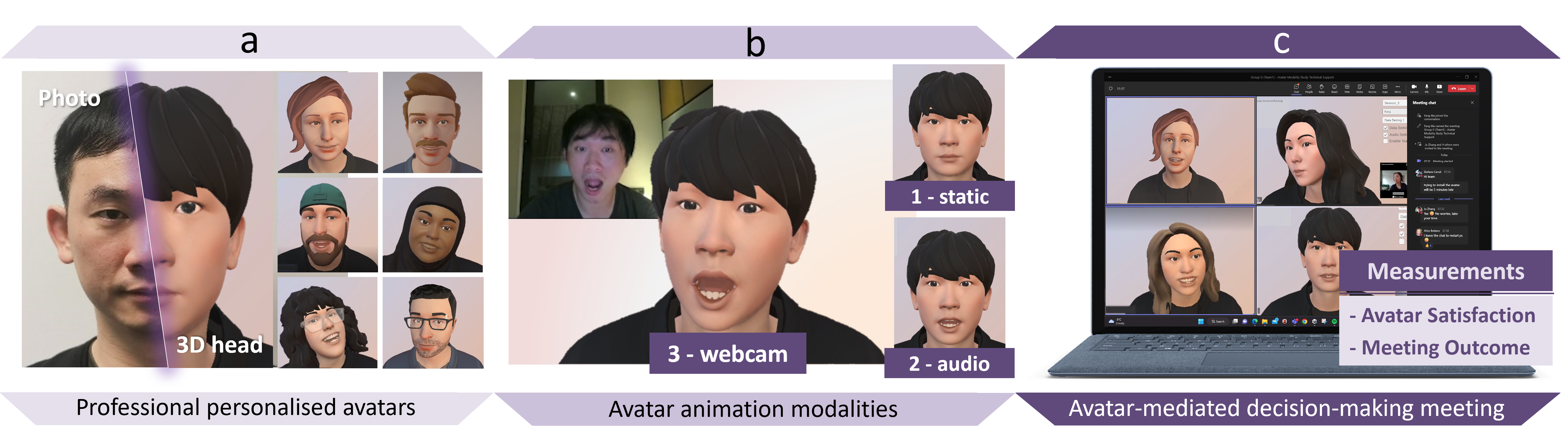
Fang Ma and colleagues studied 68 employees of one technology company in 16 groups. Participants used the same stylized avatars as static pictures, audio-driven animations and webcam-driven animations while completing decision tasks. The authors report higher meeting effectiveness for webcam animation than static pictures and stronger comfort and inclusion ratings than both alternatives. This comparison is between animation conditions in an all-avatar meeting, not proof that avatars outperform ordinary video calls.
Presence happens between turns
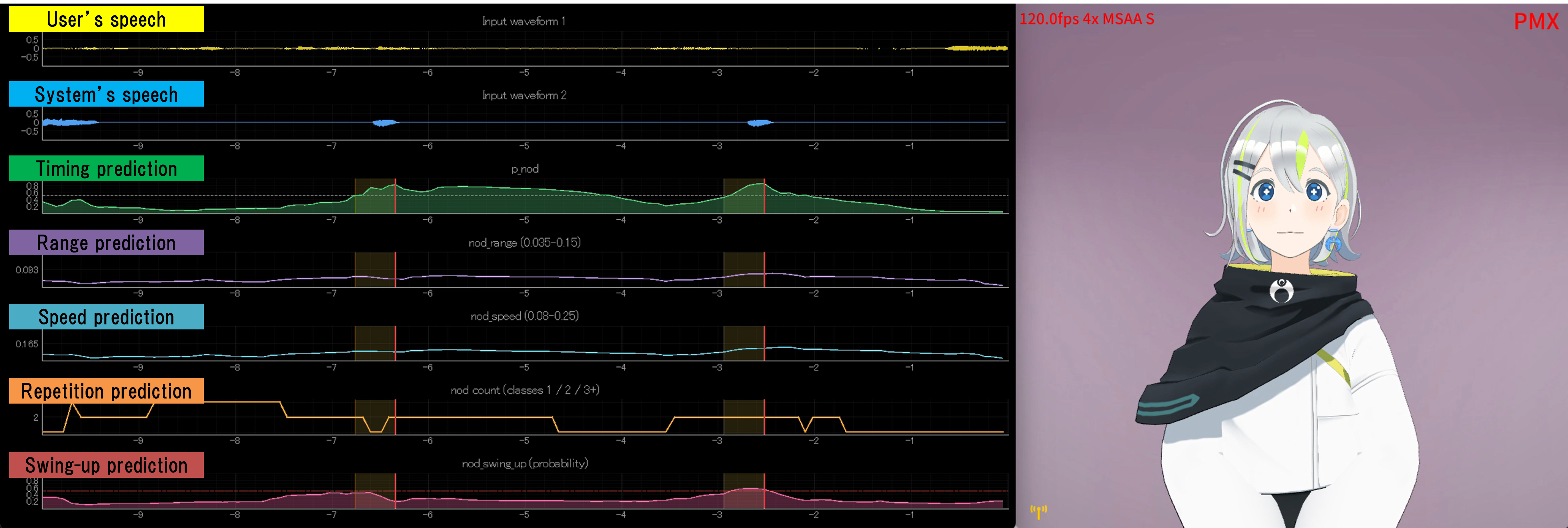
A meeting is full of small moments when somebody is listening rather than speaking. A nod can acknowledge a proposal; a pause can make room for someone else. If a system animates only when sound arrives, it may be most expressive during the part of the conversation already supported by voice. The editorial implication is to pay attention to the quiet person’s signals as well as the speaker’s mouth.
That does not mean every movement should be captured or amplified. A person needs an understandable relationship between what they do and what the character shows. If an avatar appears to agree without an intentional gesture, the room can misread the message. A useful demonstration would therefore show ordinary listening, interruptions and uncertain expressions, alongside the impressive close-up smile. The social task should determine which motion deserves production effort.
A promising comparison, not a workplace mandate
The sample and short collaborative tasks place limits on the result. A team meeting, a recruitment interview and a confidential conversation may involve different expectations about presence. Keep the choice of representation negotiable, and ask participants whether the system helps them communicate. The research gives a reason to take motion seriously. It does not give managers a basis for treating a moving avatar as evidence that an employee is attentive, comfortable, or meaningfully included.
Sources & limits
A controlled study at one company with short tasks. Reported preferences and effectiveness ratings do not establish general workplace outcomes or attentiveness detection.
- Nods of Agreement: Webcam-Driven Avatars Improve Meeting Outcomes and Avatar Satisfaction Over Audio-Driven or Static Avatars in All-Avatar Work Videoconferencing
original-research · 17 December 2024 · Retrieved 15 September 2026
Send a correction with the passage and supporting source.