A debut can become a shopping list long before it becomes a show. Artwork, a model, a room, alerts, overlays: each item looks like progress. Yet none tells you what you will do when the first prepared segment ends and there are still twenty minutes to fill.
Rehearse the ordinary part
Start with a private recording of the kind of episode you want to make. Include an opening, one repeatable activity, a transition, and an ending. Leave a quiet interval in the recording. The point is to discover how you handle the gaps, whether your voice remains comfortable, and which parts of the format you want to do again.
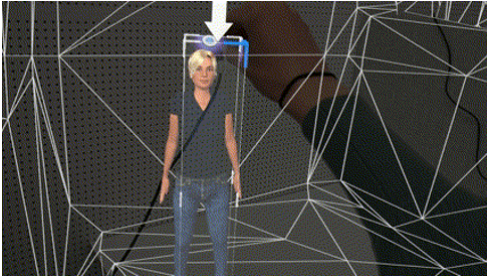
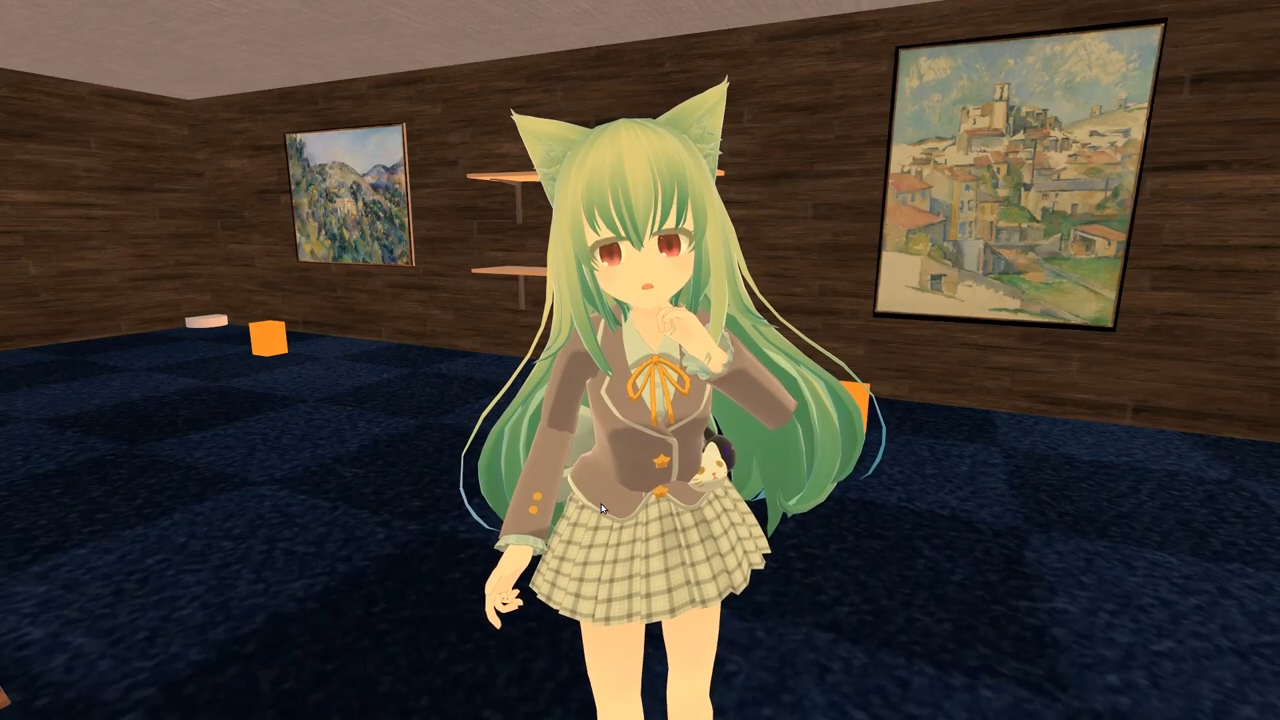
Use a simple visual you have permission to use. A placeholder can be enough to assess pacing. If movement is central to the show, a basic 3D character may reveal more than a polished static portrait. The exercise should answer a production question; it does not need to resemble a launch trailer.
Give each tool a job
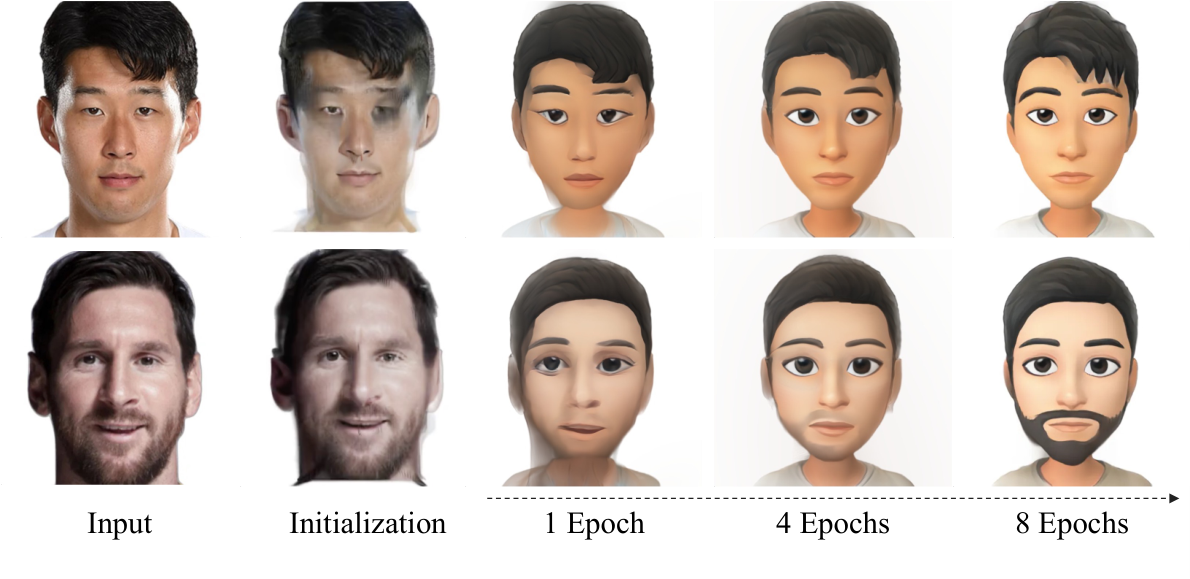
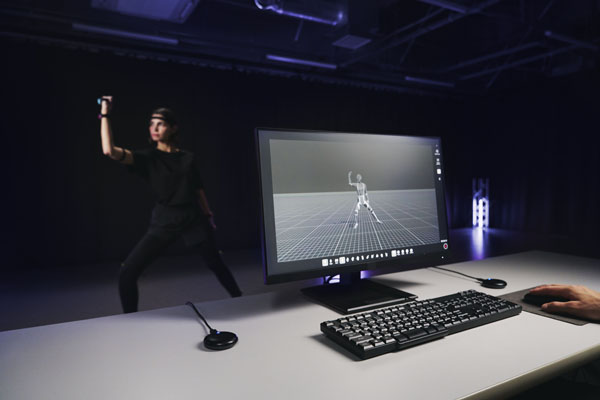
The original Avatar Dispatch research separated character authoring, tracking, and broadcast. Keep that useful division. Authoring determines what the model contains. Tracking turns an input into motion. Broadcast combines the visible scene and audio into the program the audience receives.
VRoid’s guidelines describe permitted uses for exported models, with exceptions for specially licensed items and material made by other creators. Save the terms attached to the assets you use. Permission for the software and permission for a particular costume are separate questions. Read the guidelines before treating a downloaded item as ready for a public show.
Let the rehearsal write the brief
Watch the recording and describe specific problems. Perhaps an expression cannot be read at the size the avatar occupies on screen. Perhaps a hand movement carries the joke but disappears behind a game window. Perhaps the transition needs an audio cue more than a new outfit. Those observations can become a commission brief that an artist or rigger can act on.
A useful note sounds like this: “The character is small during gameplay. I need the surprised expression to read at that size.” This is an illustrative brief, not a quotation from a creator.
Ask for deliverables that match the intended workflow, and agree on revisions and handoff before work starts. Keep the original files and the information needed to use them together. A production folder should make the next rehearsal easier to set up.
Make room for another episode
After the recording, note preparation time, setup friction, and how you felt at the end. Choose a schedule from that evidence. A repeatable format can accommodate a busy week; an elaborate debut format may demand a production effort you cannot repeat.
The next upgrade should address something you have observed. Improve a hard-to-hear voice, a lost expression, or a slow scene change. Then record again. A character becomes recognizable through repeated choices in performance. Giving yourself a manageable way to make those choices is part of the creative work.
Sources & limits
This is a proposed rehearsal workflow, not a hands-on test or a promise about cost, audience growth, or commercial rights. Check the current software and asset terms for your own use.
- pixiv — VRoid Studio Guidelines
first-party · 21 December 2023 · Retrieved 15 September 2026 - OBS Project — OBS Studio
first-party · Publication date not stated · Retrieved 15 September 2026
Send a correction with the passage and supporting source.