 View full image ↗
Inventory creators by component
Write one row for the base model, character design, texture, hair or outfit, rig, expressions, motion, prop and background. Record creator name as supplied, source URL, acquisition date, original terms link and the credit wording requested. “Model by Alex” is not enough when the jacket, face texture and dance motion came from three other people.
Keep receipts or commission records private; the public credit sheet needs provenance, not someone’s payment details. Save a copy of the terms that were visible at acquisition as well as the live link, because storefront listings and profile pages can change. If a component’s source is unknown, mark it unknown and hold the affected use rather than filling the gap with a guessed creator.
Read embedded metadata as evidence, not magic
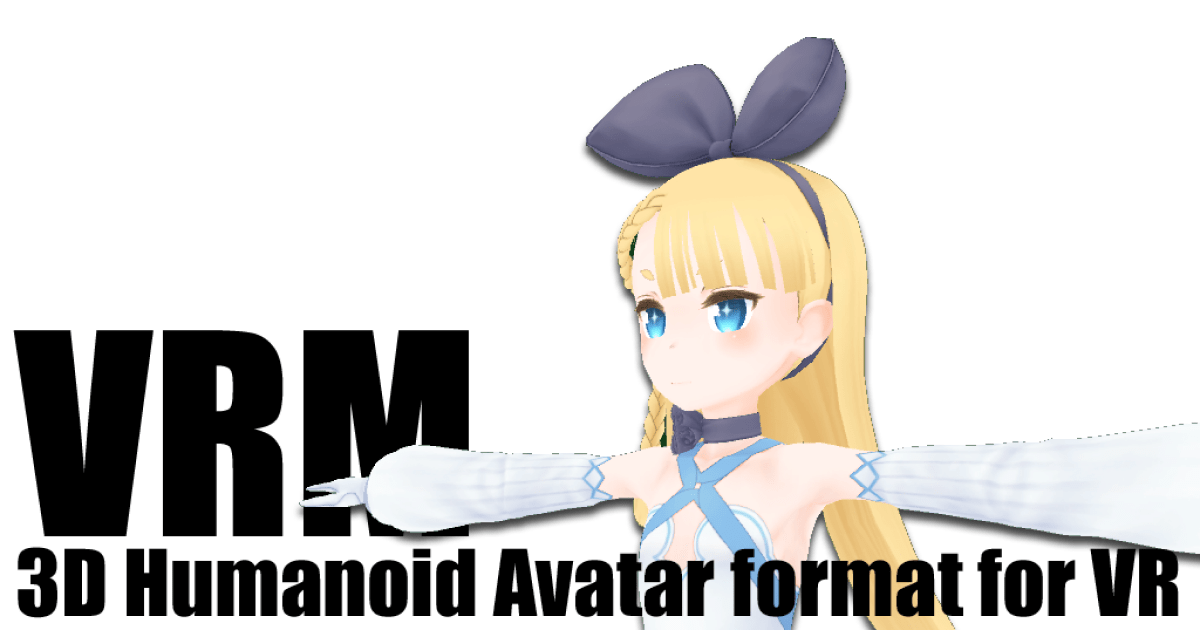
VRM was designed with avatar-specific permissions in its metadata. The 0.x documentation includes who may perform with the avatar, commercial use, violent or sexual acts, redistribution, modification and an additional license URL. VRM 1.0 and services built around it may represent some conditions differently. Inspect the actual file and the destination service’s displayed interpretation.
Metadata can be missing, stale or changed during conversion. Save a screenshot or text export of the inspected fields with the release package, then compare it with the creator’s current linked terms. Do not silently “correct” a restrictive field because a stream is already scheduled.
Ask four bounded questions
For the planned activity, ask: may this person perform with the avatar; may the model or component be modified; may a copy be sent to this collaborator or service; and what attribution is required? Add commercial use only when the activity actually has a commercial dimension, and record the source’s own category rather than inventing one.
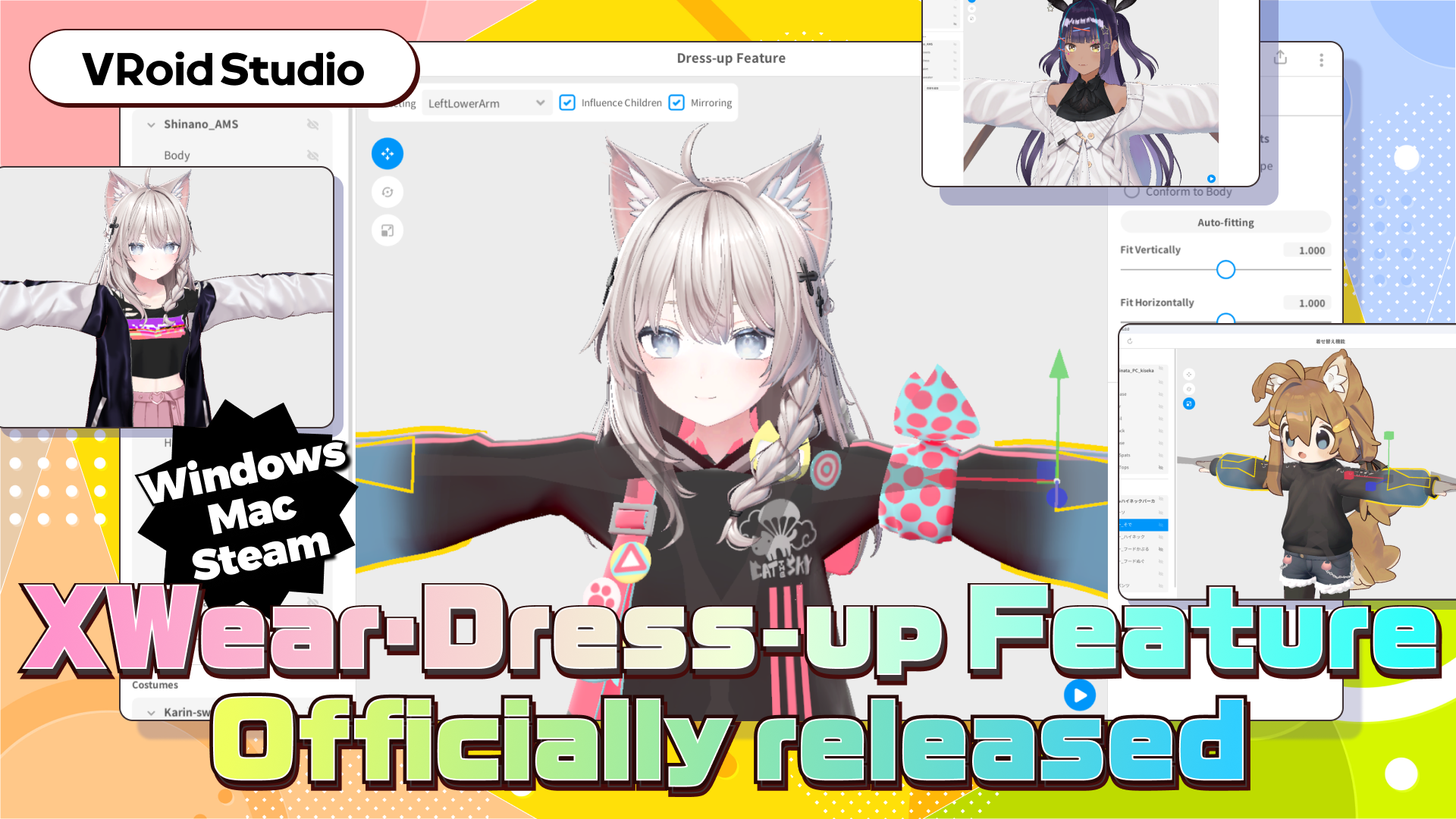
VRoid’s guidelines, for example, say pixiv-provided items without special clauses can be used broadly, including commercially, while third-party textures and other works remain subject to their creators’ licenses. That distinction prevents a broad tool permission from swallowing narrower terms attached to an imported asset. Run the same check on bundled demo motions, fonts and props; being inside a model folder does not establish a common license.
Publish credit that can be maintained
Create a compact credit block with role, credited name and stable source link, plus a longer private ledger containing the checked terms and date. Put the public block somewhere a viewer or collaborator can actually find it; do not rely on embedded metadata alone when the final video or image strips the model file away.
Recheck when adding an outfit, transferring the model, enabling monetization, selling a derivative item or migrating formats. If file metadata, marketplace display and written terms conflict, stop and ask the relevant creator or qualified adviser; this checklist cannot choose which instrument governs. Its value is narrower and practical: it makes the conflict visible before a model travels farther than its permission trail.
Sources & limits
VRM and VRoid documentation establish that avatar files and platform displays can carry detailed use conditions and that third-party assets retain separate terms. The component ledger and four-question review are editorial organization tools, not legal conclusions.
- License settings in VRM
first-party · Publication date not stated · Retrieved 19 September 2026 - Guidelines for Displaying Model Data Conditions of Use
first-party · Publication date not stated · Retrieved 19 September 2026 - VRoid Studio Guidelines
first-party · Publication date not stated · Updated 21 December 2023 · Retrieved 19 September 2026
Send a correction with the passage and supporting source.