What happened
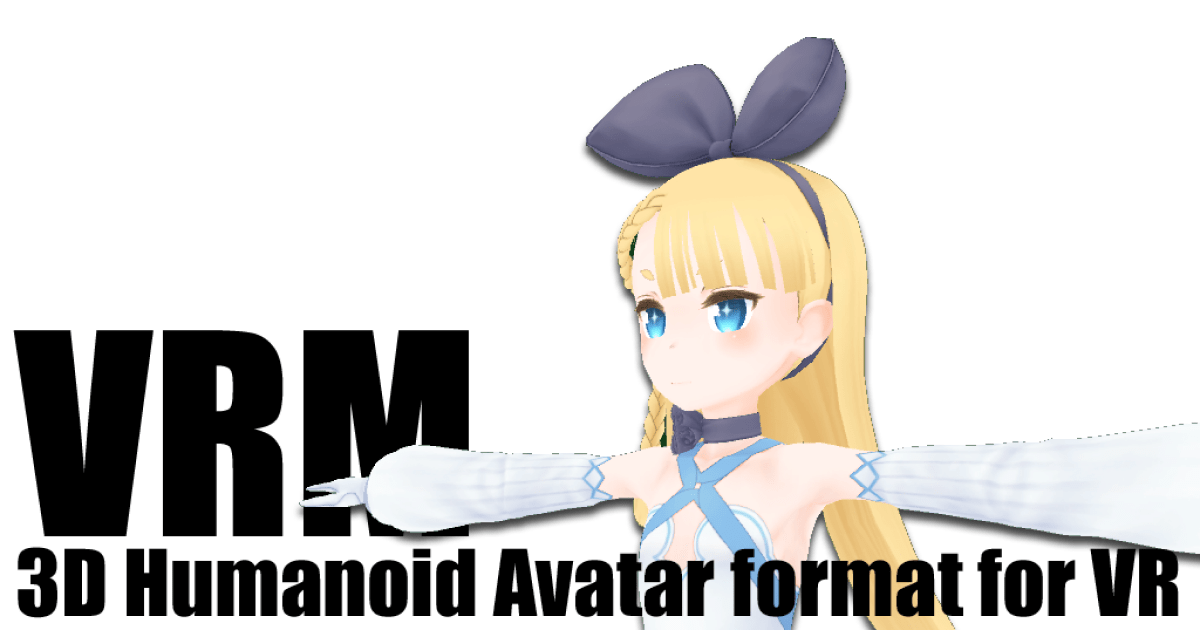
The VRM 0.x specification describes a binary glTF-based format for one humanoid avatar. Its rules normalize model orientation and required bones, while extensions carry materials, first-person settings, expressions, secondary animation and metadata. The maintained Japanese document records a schema correction on 9 November 2018, which provides a dated historical anchor without pretending that one edit was the format’s first release.
VRM addresses a less visible avatar problem: a character model is not portable merely because another program can draw its polygons. Applications need shared expectations for skeleton, gaze, facial states, hair or clothing motion and permitted use. The specification turns those expectations into data that can travel with the file. It promises a basis for compatibility, not proof that every importer behaves identically.
The human implication
Portability gives a creator more control over continuity. A model prepared once can potentially move among tools without rebuilding its identity from scratch. That matters for performers whose recognizable body is part of their public work: changing software should not automatically require changing self.
Metadata is equally human. The format can carry authorship and usage conditions beside the model, helping downstream applications know that a technically loadable avatar is not necessarily free for every purpose. This joins identity portability to consent and attribution. The hard work remains at the edges, where exporters interpret rules and platforms decide which fields to honor. VRM’s specification cannot guarantee faithful movement, visual parity or policy enforcement. It does, however, make those failures inspectable. A shared format supplies a vocabulary for asking whether an avatar’s body, expressions and permissions survived the trip.
Sources & limits
The official specification establishes the format’s technical contents and dated revision; it does not prove universal compatibility among applications.
- VRM 0.x specification
first-party · Publication date not stated · Retrieved 15 September 2026 - VRM specification update history
first-party · Publication date not stated · Retrieved 15 September 2026
Send a correction with the passage and supporting source.