What happened
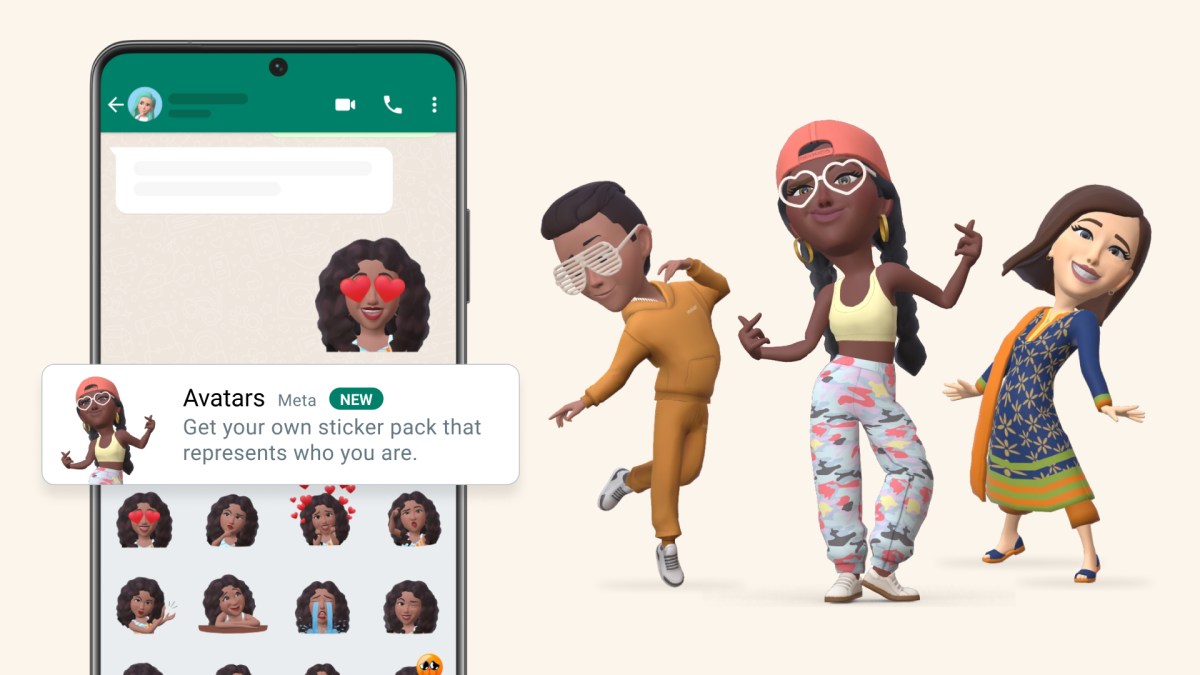
WhatsApp introduced avatars on 7 December 2022. The company said a customized character could be used as a profile photo or as 36 stickers showing different emotions and actions. Its launch post described combinations of hairstyles, facial features and outfits, and said further work would address lighting, shading and hair texture.
The announcement explicitly framed the avatar as a way to represent oneself without using a real photograph. That is evidence of the intended privacy benefit, not proof that an avatar conceals every identifying cue or creates the same sense of privacy for every person. The source does not describe rollout differences by device or region.
The human implication
Profile images in messaging sit at a sensitive boundary. They help contacts recognize a conversation, but a photograph can reveal appearance and context to people outside a close circle. A constructed avatar offers another layer of disclosure: enough continuity to be recognizable without requiring a current image of the person.
The sticker set gives that same character a second job. It moves from persistent account marker to momentary emotional actor, linking identity and reaction across a chat. That continuity can make a small set of images feel personal, though the catalog still determines which emotions and activities can be expressed. Privacy also depends on controls around who sees the profile, how screenshots circulate and whether the avatar is tied to other Meta identities. WhatsApp’s release is historically useful because it stated privacy as part of the product rationale. The announcement supports that intention; any claim about actual protection requires a separate analysis of settings, data flows and user behavior.
Sources & limits
Meta verifies the WhatsApp launch, profile-image option and 36 stickers; actual privacy effects and rollout coverage are not inferred.
- Express Yourself With Avatars on WhatsApp
first-party · 7 December 2022 · Retrieved 15 September 2026
Send a correction with the passage and supporting source.