What happened
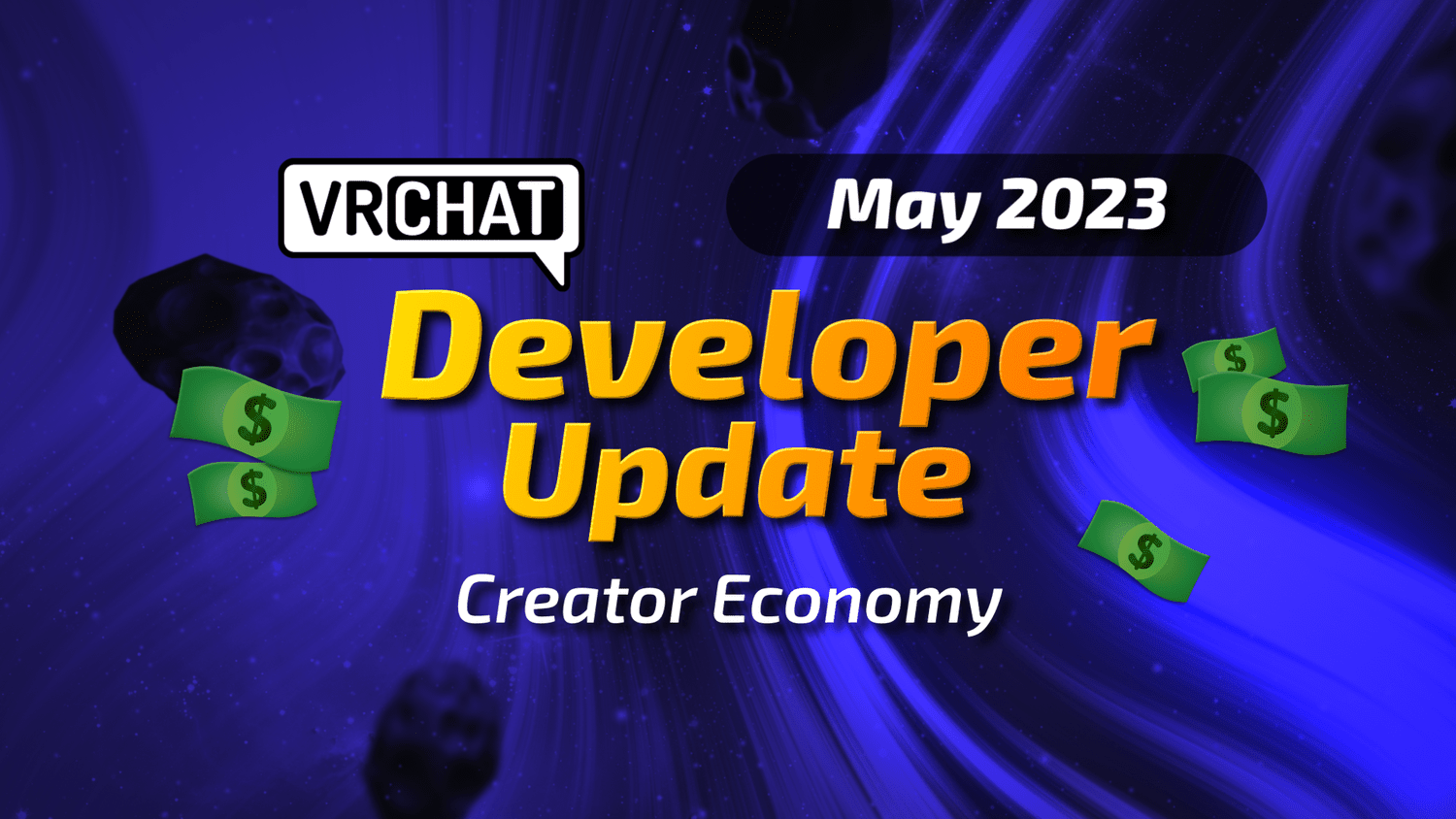
VRChat’s Creator Economy announcement set out a Group-centered model: supporting a creator’s Group could unlock roles and associated features, while world makers could respond to purchased roles in their experiences. The post explicitly named event hosts as well as conventional creators, and said avatar creators’ marketplace needs were important but would come after the initial Group-centric systems. That sequencing is revealing. The platform did not treat an avatar as a simple product listing; it recognized it as part of a messier ecology of worlds, events, communities and existing sales channels.
Group support can turn a relationship into platform-native access. That may shorten the route from appreciation to payment, and give a community an alternative to leaving the world for a separate membership site. It can also concentrate social status inside roles and permissions. The person buying access is not only purchasing an object; they may be purchasing a place in a group’s event structure or a visible affiliation.
The human implication
For avatar makers, the delay matters as much as the plan. An identity asset has different needs from a ticketed room: licensing, copying, updates, body compatibility and the right to carry a character elsewhere. Folding those questions into a generic support model can obscure them. The strongest future marketplace would make terms and provenance easy to read while preserving room for creators whose work is not a subscription perk.
VRChat described an intended rollout and acknowledged that avatar commerce was not the first release. It did not establish final prices, adoption, creator earnings or a finished avatar marketplace. The evidence supports a careful reading of platform priorities, not an income forecast.
Sources & limits
VRChat’s post describes a planned Group-centered economy and explicitly defers avatar-marketplace specifics.
- Introducing the Creator Economy
first-party · 18 May 2023 · Retrieved 15 September 2026
Send a correction with the passage and supporting source.