What happened
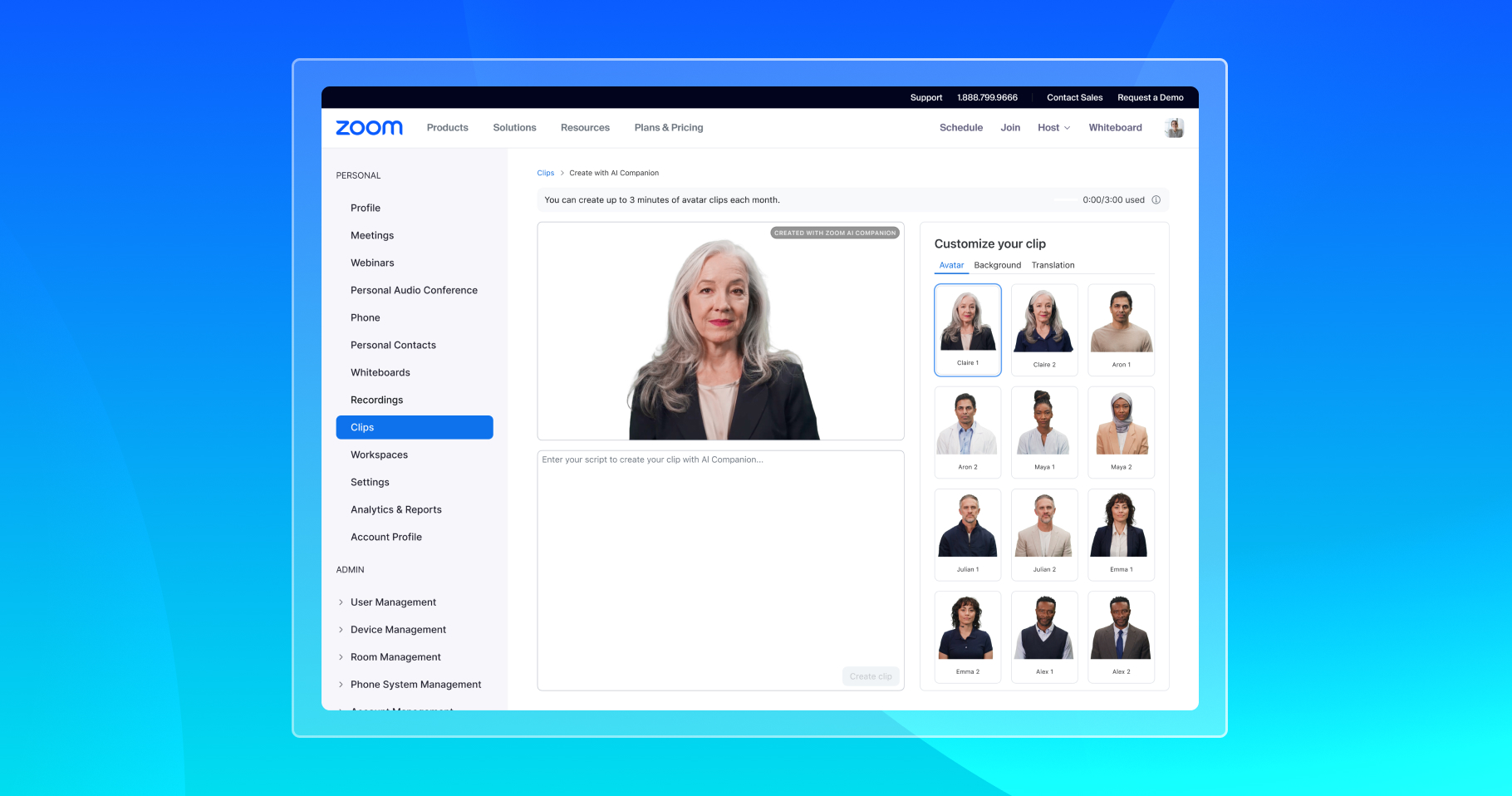
Zoom's June 2025 product guide described Custom Avatars for Zoom Clips as a script-to-video workflow. A user could record a short sample to build an avatar that looks and sounds like them, choose a background, supply or generate a script and review the resulting clip. Zoom said generated videos receive a visual watermark. Unlike an animated meeting avatar, this system creates a finished recording that can continue circulating after the represented person has left the conversation.
That persistence changes the stakes. A manager, teacher or colleague may appear to deliver words at a particular time even though the actual performance was assembled from an earlier recording and a new script. The tool can be convenient for routine information, but its polish may hide the difference between authoring a message and personally speaking it.
The human implication
Workplace recipients need a simple indication that a clip is generated and a reliable path to the current source text. The represented person needs control over who can create clips, which account retains the likeness model and what happens when their role or employment ends. A consent moment during setup is insufficient if later scripts, audiences and retention periods can change.
Zoom's guide establishes the 2025 workflow, watermark claim and custom or stock-avatar choices. It does not demonstrate viewers' ability to identify generated clips or organizational deletion practice. This item does not count the earlier preview and later product announcements as separate stories. The practical test is whether the system preserves responsibility: recipients should know who approved the exact words, and the human represented should be able to inspect, limit and retire the digital performer attached to their name.
Sources & limits
Zoom documents the scripted likeness workflow and watermark claim; safeguard performance and organizational governance are not established.
- How to use AI avatars for Zoom Clips + 9 types of videos to create
first-party · 3 June 2025 · Retrieved 15 September 2026
Send a correction with the passage and supporting source.