What happened
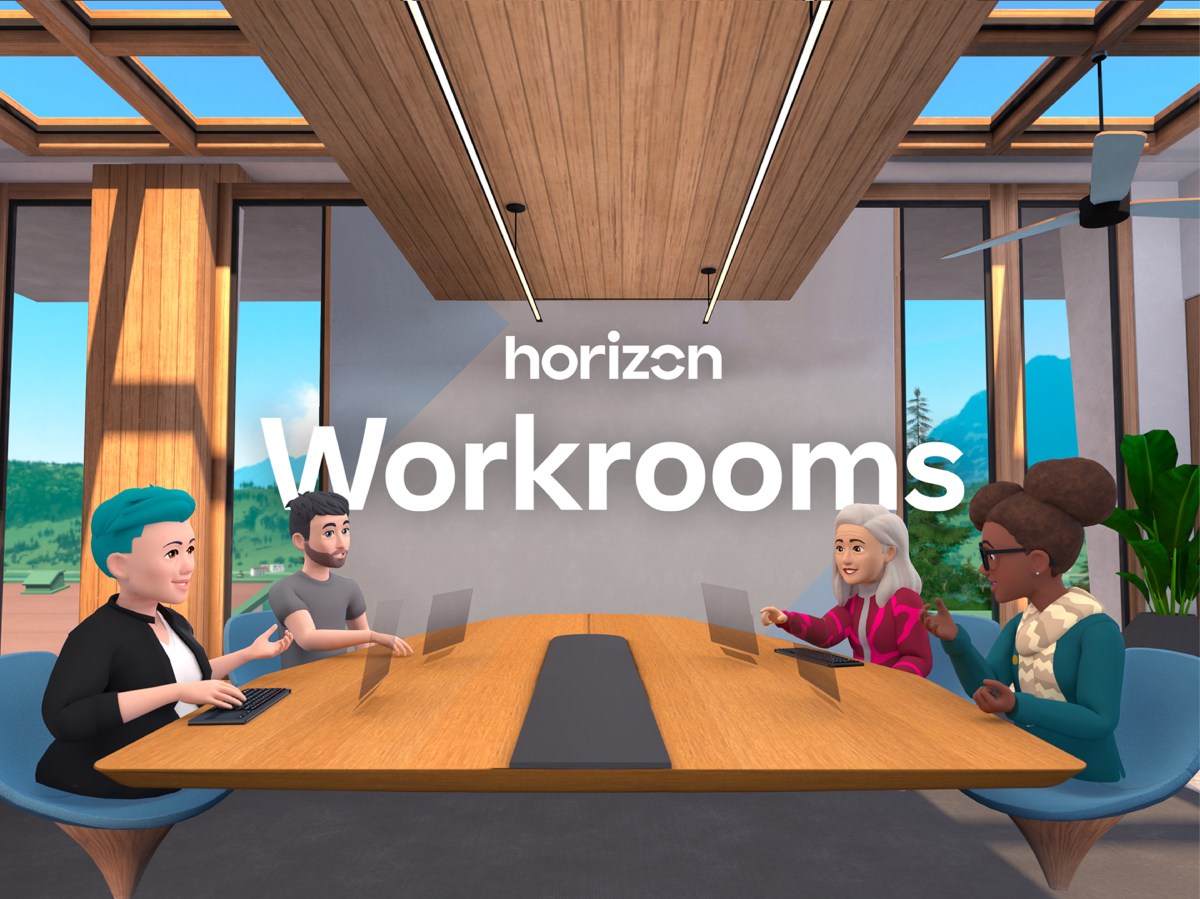
Facebook, later Meta, launched the Horizon Workrooms open beta on 19 August 2021 for Quest 2 in supported countries. Its announcement described a virtual meeting room combining Oculus Avatars, spatial audio, hand tracking, a mixed-reality desk, remote desktop streaming and a large virtual whiteboard. Participants could join in VR as avatars or enter from a computer by video.
The page states that up to 16 people could meet in VR and up to 50 could join a call including video participants. Those are announced product limits, not observed meeting outcomes. The article was updated in December 2023 for privacy details, so this record separates that later update from the visible original publication date.
The human implication
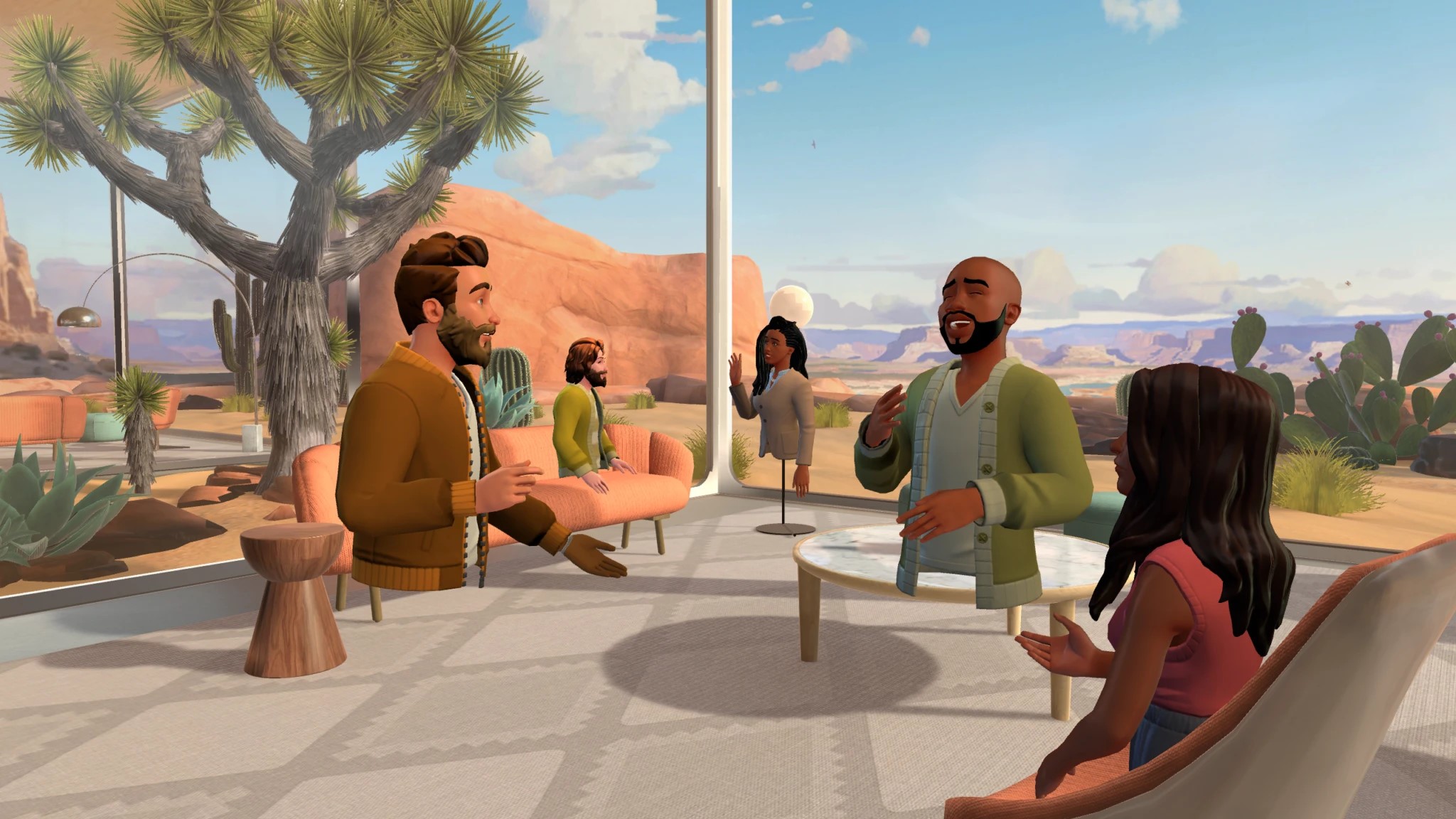
Workrooms placed represented and filmed bodies at the same table. That mixed attendance matters because access to hardware, comfort in a headset and willingness to use an avatar vary within one team. A hybrid room needs to make each mode understandable without turning one group into the audience for the other.
The office context also changes the stakes of customization. A fantasy body acceptable among friends may feel risky under workplace norms, while a conservative template may erase how someone wants to be recognized. Managers and product designers influence whether avatar use becomes a legitimate form of presence or another signal colleagues feel compelled to interpret. Useful systems make controls, names, gestures and accessibility predictable across modes. Meta’s launch demonstrates the technical assembly required to make an avatar seem like a colleague, but its own announcement cannot show whether teams felt equal, productive or at ease. Those outcomes depend on culture as much as rendering.
Sources & limits
Meta verifies the open-beta date, avatar meeting mode and announced collaboration features; workplace outcomes are not established.
- Introducing Horizon Workrooms: Remote Collaboration Reimagined
first-party · 19 August 2021 · Retrieved 15 September 2026
Send a correction with the passage and supporting source.