What happened
Steam’s current VRChat listing records a 1 February 2017 release and names VRChat Inc. as developer and publisher. Its Early Access description says the platform aimed to let people create and share social virtual worlds alongside a participating community. The listed launch-era systems included social tools, full-body avatars, interactive worlds and content creation through a Unity SDK.
The page is temporally mixed: it retains the release date and Early Access statement while other marketing copy and review totals continue to change. This record uses it narrowly for the recorded release, declared community-development model and listed core systems. Present-day counts and capabilities are not evidence about the 2017 service.
The human implication
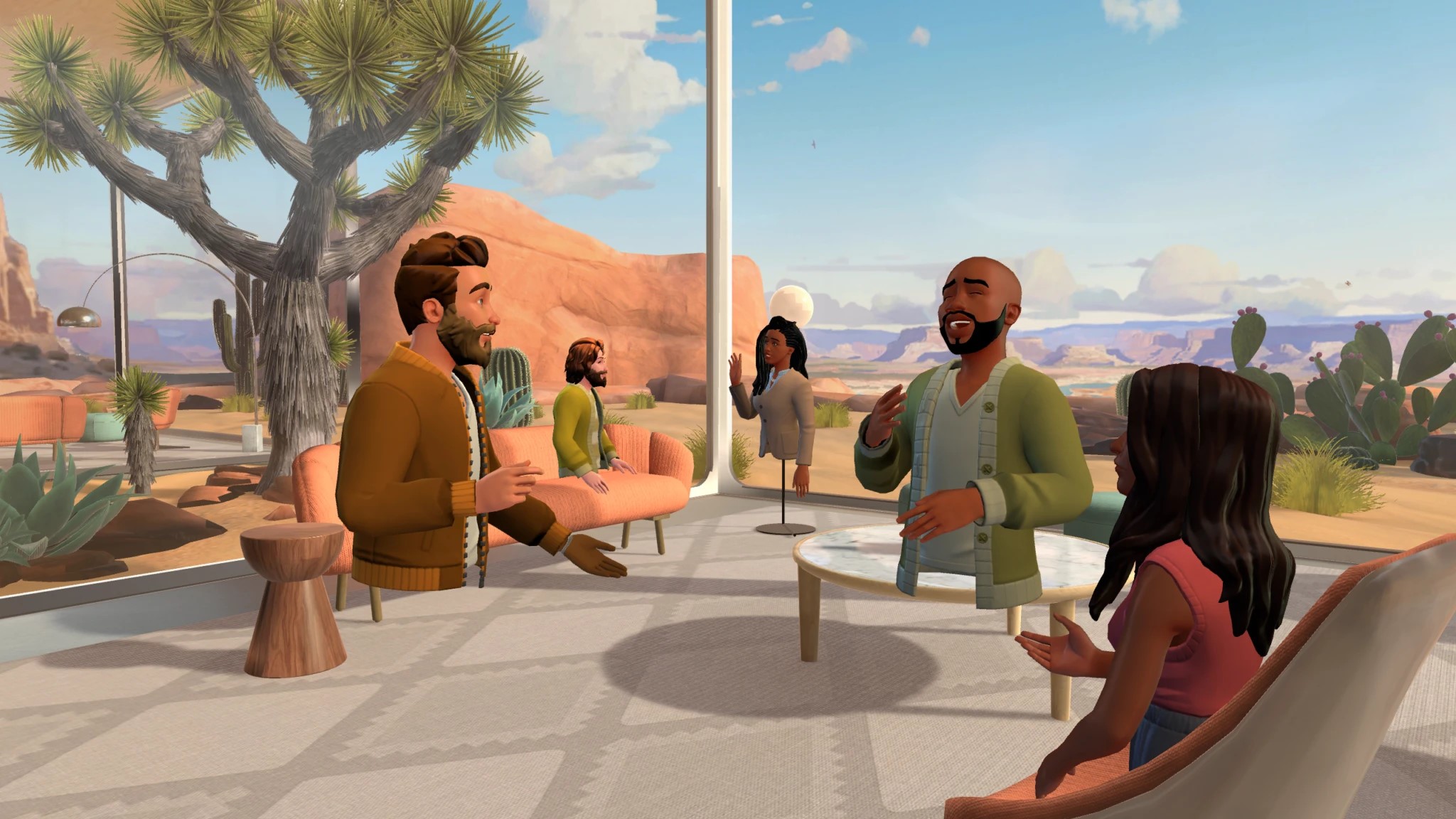
User-built avatars alter the social contract of a world. People can select bodies that are comic, abstract, animal, mechanical or closely human, so appearance becomes creative participation rather than a choice from one company wardrobe. That freedom can support experimentation and recognition within communities that develop their own visual language.
It also asks participants to interpret bodies without assuming a stable relationship to the person behind them. Scale, voice, movement and cultural references may matter more than resemblance. Platform designers then inherit difficult work: performance budgets, safety controls, attribution, compatibility and personal boundaries. A creation system that permits almost anything still needs clear ways to manage what others can display or do nearby. VRChat’s Early Access framing made community creation part of its declared development method. The avatar was both a personal body and user-generated software, tying identity to technical craft and shared governance.
Sources & limits
Steam records the 2017 release and retains VRChat’s Early Access description; changing listing text is not treated as a preserved launch snapshot.
- VRChat on Steam
first-party-storefront · Publication date not stated · Retrieved 15 September 2026
Send a correction with the passage and supporting source.