What happened
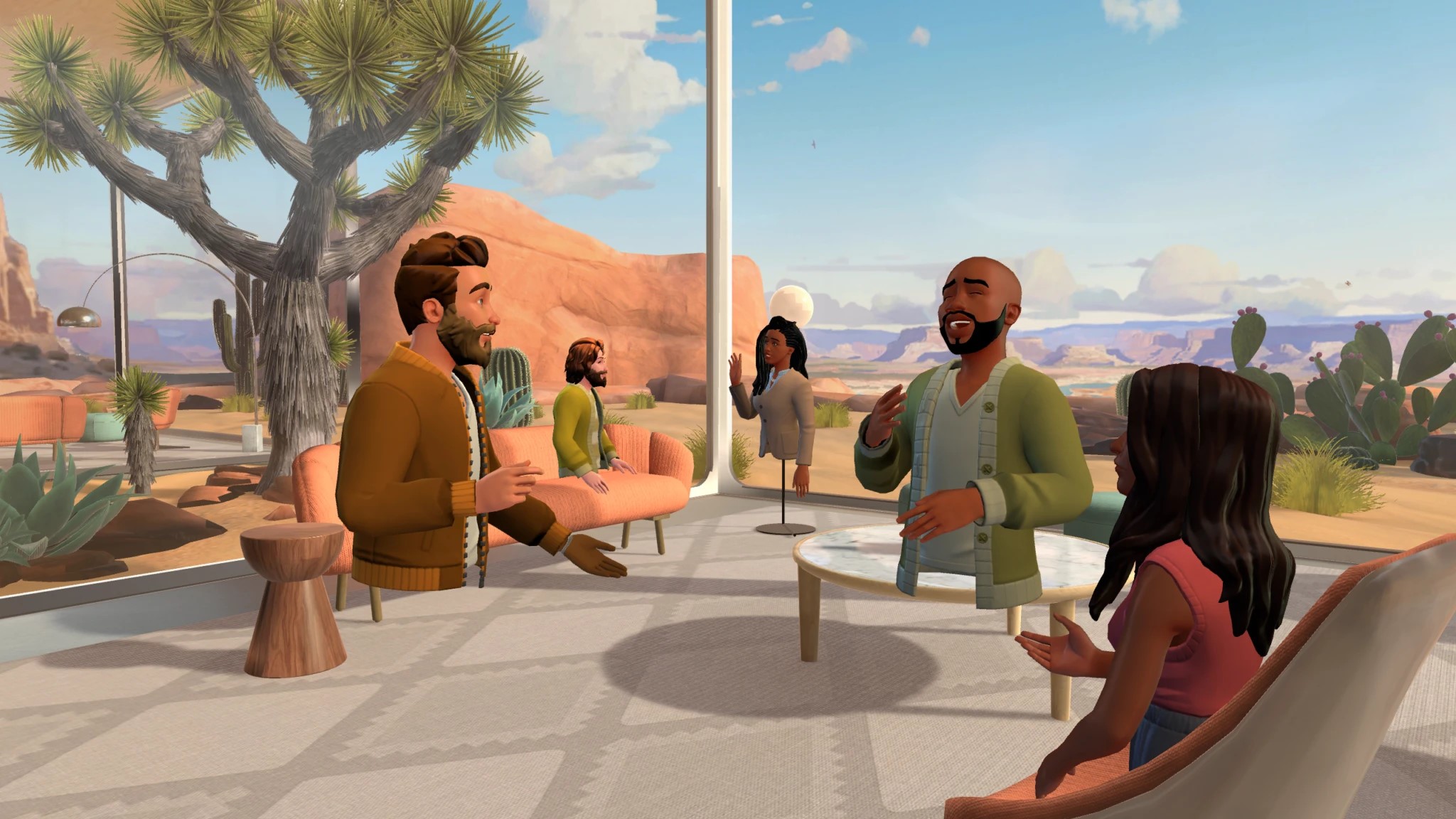
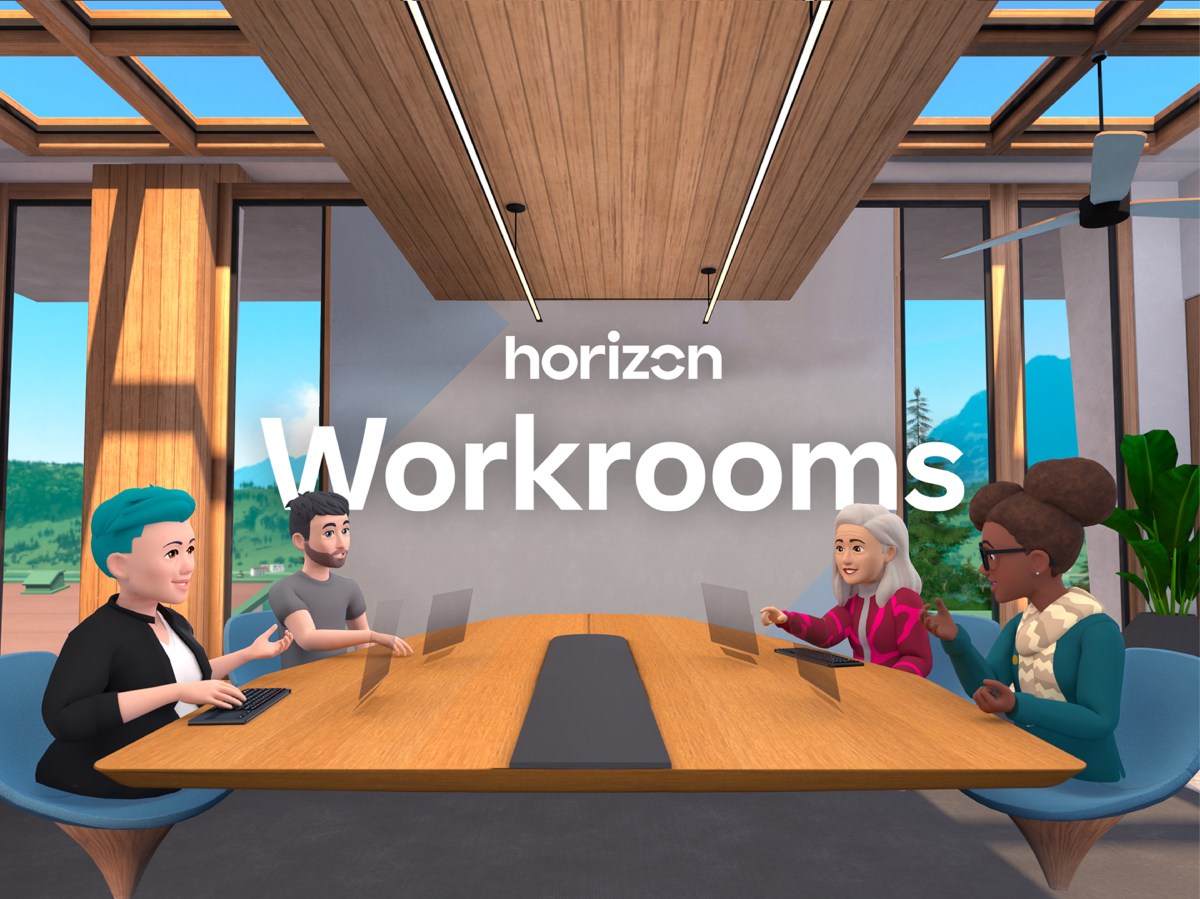
Meta announced in April 2024 that it would open Meta Horizon OS to other hardware makers. In describing the operating system's social layer, the company said people's identities, avatars, social graphs and friend groups could move with them across virtual spaces, and that developers could integrate those features. It named planned device work with ASUS, Lenovo and Xbox. This is portability within an ecosystem: the represented person and their relationships are intended to persist across devices and experiences that share Meta's platform layer.
Continuity can spare people from rebuilding a profile, body and contact network every time they enter a new space. It can also make one platform's identity rules harder to leave behind. If an avatar is bound to an account, moderation history and social graph, moving the figure may carry more context than the person expects, while leaving behind elements a destination cannot support.
The human implication
Useful portability needs visible boundaries. A person should be able to tell whether they are carrying appearance, purchases, contacts, reputation or all four. They also need destination-specific choices: a work setting, game and private gathering may call for different names, bodies and audiences. Continuity should not silently collapse those contexts into one mandatory self.
Meta's announcement establishes its platform plan and its stated social-layer design. It does not prove that every named device shipped, that avatars move without loss, or that users can export identity outside Horizon OS. The word open here describes access for selected hardware and app developers, not a demonstrated universal avatar standard. The consequential question is governance: who controls the portable record, which parts can be separated, and whether a person can arrive somewhere new without bringing their entire platform history.
Sources & limits
Meta documents a Horizon OS ecosystem plan with shared social identity; shipping scope, cross-platform export and user outcomes remain unproven by the announcement.
- Introducing Our Open Mixed Reality Ecosystem
first-party · 22 April 2024 · Retrieved 15 September 2026
Send a correction with the passage and supporting source.