What happened
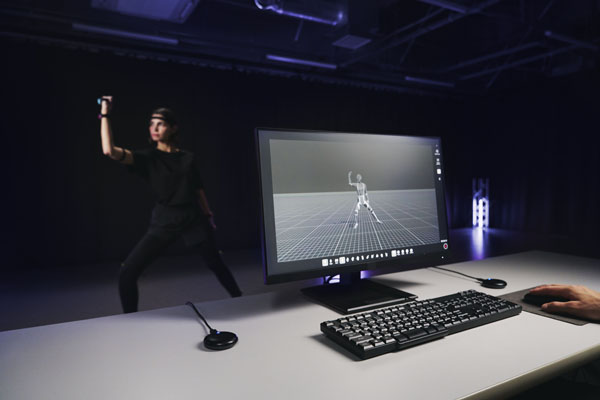
Adobe described Character Animator in June 2015 as preview technology arriving with the next version of After Effects. The company said the tool used face tracking and live performance to control layered characters created in Photoshop or Illustrator. Artists could prepare facial states and behaviors, then record separate performances and combine them instead of drawing every movement frame by frame.
Adobe framed the project as an attempt to make expressive character work approachable without limiting creators to a stock cast. Its article explains the intended workflow through the team that built it. It does not establish how much production time the preview saved in typical projects or whether newcomers found rigging easy.
The human implication
This tool shifted the avatar from a finished likeness to a responsive instrument. A creator’s eyebrows, mouth and voice could become control signals for artwork that might resemble them, exaggerate them or depart from human appearance entirely. Performance can communicate identity even when the visible body is a fish, monster or hand-drawn puppet.
The workflow also distributes authorship across layers. The illustrator decides the possible expressions, the rigger defines how artwork responds, the performer supplies timing and emotion, and software translates signals between them. A lively result can hide substantial preparation. Good tooling should make that chain understandable, especially when automatic tracking fails or interprets a face unevenly. Character Animator’s preview joined accessible capture with custom art. It suggests that effective performance avatars do not merely copy a face; they give creators control over how physical expression is transformed.
Sources & limits
Adobe establishes the preview positioning, face-tracking workflow and support for custom artwork; generalized time savings or ease are not verified.
- Bringing Animation to Life
first-party · 4 June 2015 · Retrieved 15 September 2026
Send a correction with the passage and supporting source.