What happened
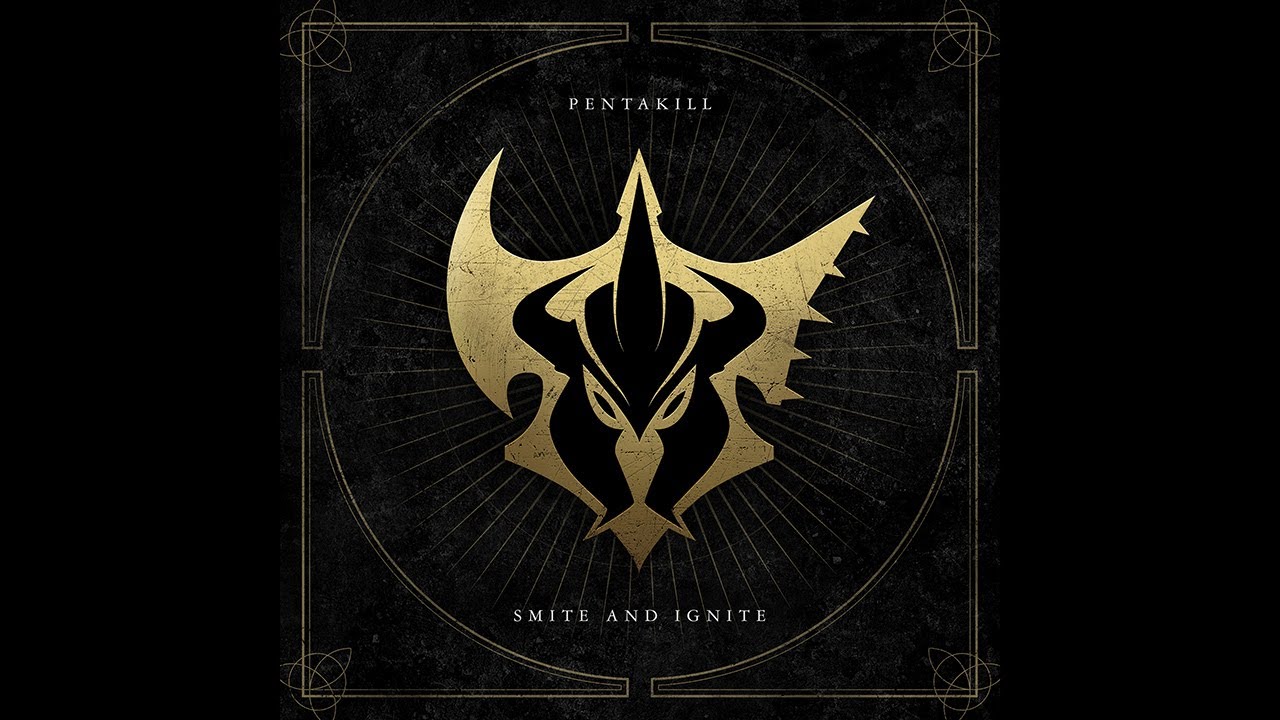
Riot Music Group published Pentakill: Smite and Ignite on 2 June 2014, presenting an eight-track metal album performed under the identity of a fictional band made from League of Legends champions. The official page embeds the music, names the tracks and supplies extensive credits for vocalists, instrumentalists, engineers, producers and orchestra participants. It also states that Riot wrote all music and lyrics.
The album made the characters usable outside a match without separating them from the game’s vocabulary. Track titles such as Lightbringer, Deathfire Grasp and Thornmail turn familiar game objects into musical and narrative material. The source documents a finished album and its makers, not a live autonomous performance. Pentakill’s agency is a fiction assembled by credited human work.
The human implication
A virtual band lets one set of characters organize several kinds of participation. Players recognize champions, metal listeners can approach a standalone album, and musicians can contribute without becoming the permanent visual faces of the project. The band identity joins these audiences while the credits preserve a route back to individual labor.
That split can be creatively useful, but it requires careful language. Saying that Pentakill released an album is a convenient cultural shorthand; technically, Riot and named contributors made recordings through fictional performers. Good coverage can hold both truths at once. It can discuss the band as a designed public act while still naming the humans who wrote, played, sang and produced. Smite and Ignite shows that avatar performance history is also metadata history: the durability of credit determines whether a compelling fictional front obscures its makers or gives their collaboration a memorable frame.
Sources & limits
Riot’s page establishes the album, date, fictional band framing and detailed music credits; it does not document audience interpretation or later chart performance.
- Pentakill: Smite and Ignite
first-party · 2 June 2014 · Retrieved 15 September 2026
Send a correction with the passage and supporting source.