What happened
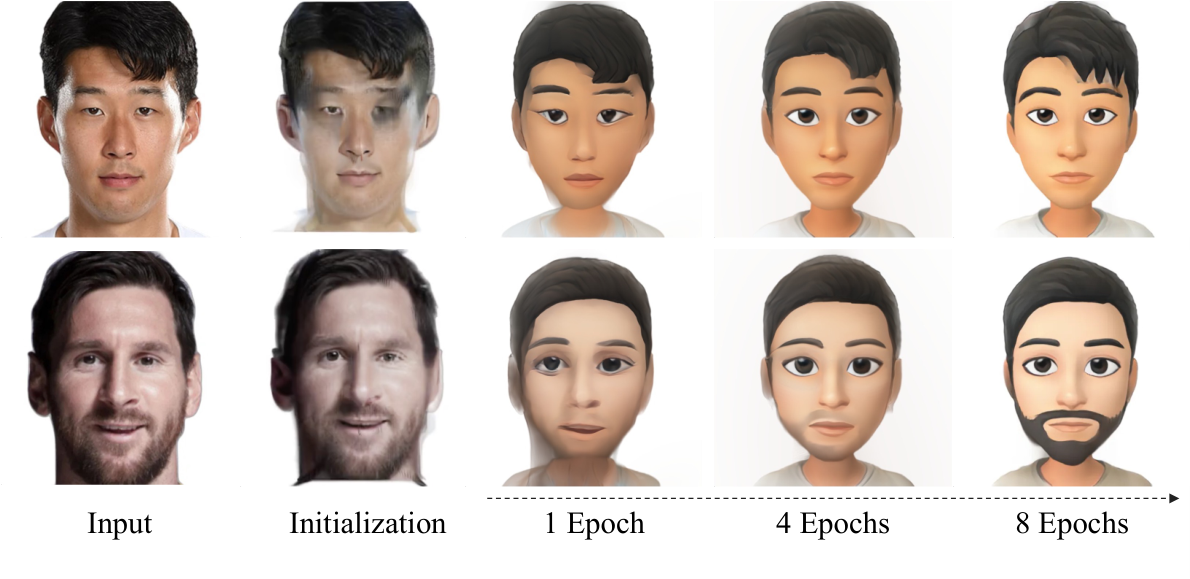
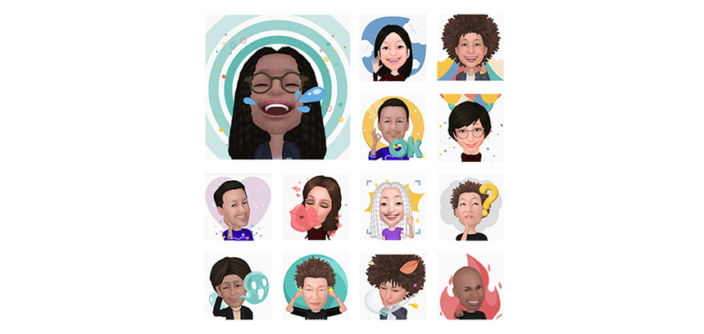
Samsung’s April 2018 account of AR Emoji described a Galaxy S9 and S9+ feature that generated a 3D avatar from a selfie, then allowed further customization. The company said face tracking followed more than 100 facial features and blend shapes combined a base set of expressions. The resulting My Emoji could be shared as GIF, video or PNG files.
The article says the feature offered realistic and cartoon-like options and initially produced 18 expressions, with more planned. Those are Samsung’s descriptions of its design and internal process, including company-reported testing. They establish intended operation and export formats; they do not independently demonstrate tracking accuracy, representational quality or satisfaction across different faces.
The human implication
Starting from a selfie reverses the Mii-style process. Instead of assembling a face from blank parts, the system proposes a likeness and asks the person to edit the machine’s interpretation. That can shorten setup, but it changes the emotional stakes of failure. A poor suggestion may feel like a judgment about someone’s face rather than an incomplete menu.
Export matters as much as capture. GIF, video and PNG outputs let the character leave the editor and circulate through different channels. Portability at the message level can be valuable even when the underlying model remains tied to one device. Designers should therefore evaluate two forms of agency: whether a person can correct the generated body and whether they can use the result where their relationships already happen. Samsung’s record shows an early consumer attempt to join automated likeness, tracked performance and shareable media in one phone feature. Its limits cannot be measured from the company account alone, but the workflow remains instructive.
Sources & limits
Samsung documents the selfie-to-avatar process, face tracking and export formats; accuracy, inclusivity and reception are not independently established.
- Bringing AR Emoji to Life
first-party · 27 April 2018 · Retrieved 15 September 2026
Send a correction with the passage and supporting source.