What happened
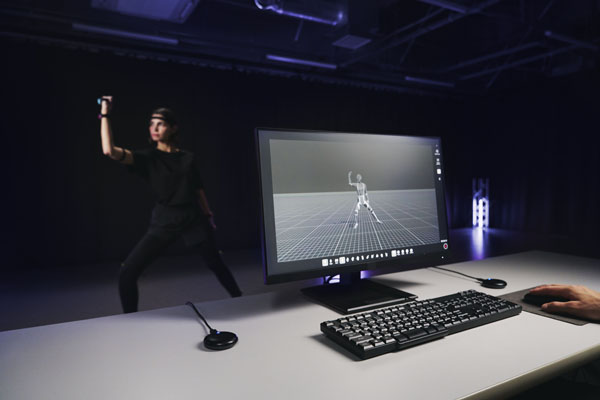
DenchiSoft released VTube Studio on Steam on 12 March 2021. Its store listing describes using a webcam or connected phone to track a face and animate a Live2D model. It also highlights importing models, attaching props and sending tracking data through an API. Because Steam pages are living documents, those feature details describe the maintained product and should not all be assumed to have existed unchanged on launch day.
The release gave 2D character performers a focused desktop stage. Instead of treating a rigged illustration as a finished asset, the software connects it to face input, scene objects and broadcast output. That turns model preparation into an ongoing performance system. The verified historical claim is the release date and overall purpose, not a reconstruction of every version-one control.
The human implication
VTube Studio makes a useful distinction between owning an image and inhabiting it. A Live2D model needs parameters, tracking interpretation and presentation choices before it can respond as a screen body. Small decisions about blink thresholds, head angles and prop attachment contribute to how audiences read personality.
A specialized tool can also support a creator economy around model artists, riggers, prop makers and plug-in developers. Yet that chain creates handoff risks: files may load while expressions fail, or a performer may not know which contributor controls reuse rights. The store listing supports a broad import and tracking workflow but cannot answer those contractual questions. Durable practice requires credits and permissions to remain attached to model components. The March 2021 release belongs in the archive because it made the operating layer of 2D avatar performance visible and accessible as its own application.
Sources & limits
The Steam listing establishes release date and the developer-described tracking, prop and model workflow; current feature text may include post-launch changes.
- VTube Studio on Steam
first-party · Publication date not stated · Retrieved 15 September 2026
Send a correction with the passage and supporting source.