A bigger character toolset
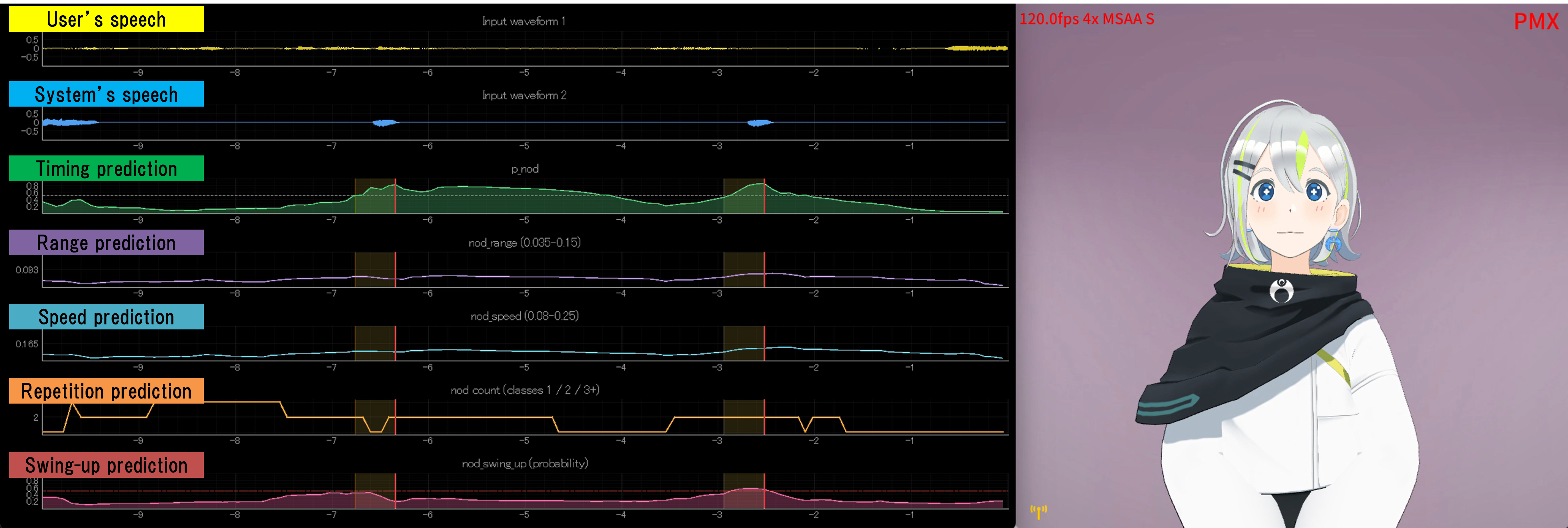
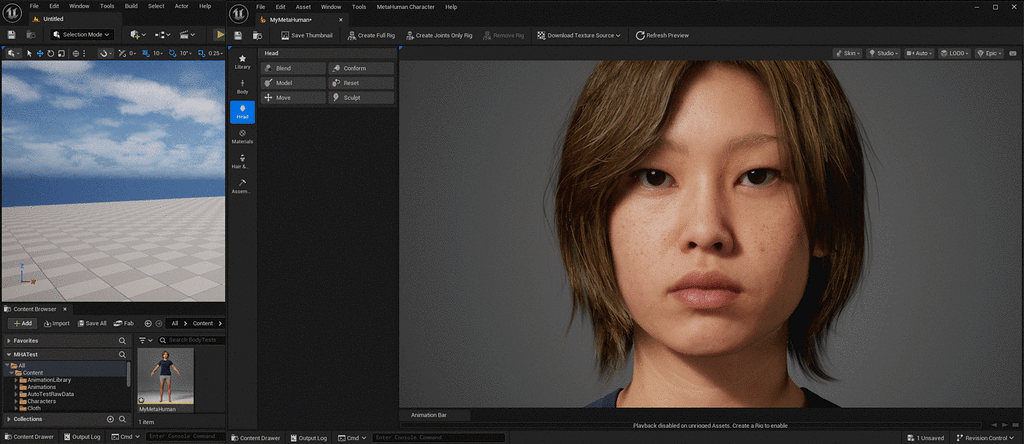
Epic announced MetaHuman for Unreal Engine 5.6 on June 3, 2025. Its release post said MetaHuman Creator now shipped with Unreal Engine and introduced a parametric body system. It also described real-time facial animation from more single-camera devices, audio-driven animation with head movement and emotional-state controls, MetaHuman asset trading on Fab, authoring tools for Maya and Houdini, and an updated EULA that allows MetaHumans in any engine. This is not one shiny new button. Character creation, performance capture, asset circulation and licensing all moved at once.
That mix matters when a digital person is a performer, not just a nice render. A body system can change casting options. Audio animation can change how a voice lands on a face. A marketplace changes how character parts are found and reused. Broader engine rights ease one kind of lock-in, while leaving the familiar production homework: track which asset, version and permission belong to each project.
The credit trail still matters
More expressive tools can put performance production within reach of smaller teams, but they do not magically settle authorship. If a voice track generates head movement and an emotional setting, the result sits between the performer, director, toolmaker and character designer. That overlap needs plain language in production agreements before a project goes public. A digital actor is more than a detailed mesh; it is a chain of human and software decisions that people should still be able to trace.
Epic’s announcement supports claims about the released tools and EULA change. It does not show that audio-driven animation matches a performer’s intent, and it does not resolve rights in third-party assets. Those remain live production questions. Release notes can tell us what a tool says it does; they cannot settle the creative and legal context around a finished character.
Sources & limits
Epic documents the 5.6 capabilities and licensing change; quality, authorship and marketplace outcomes need project-specific evidence.
- MetaHuman 5.6 Release
first-party · 3 June 2025 · Retrieved 15 September 2026
Send a correction with the passage and supporting source.