What happened
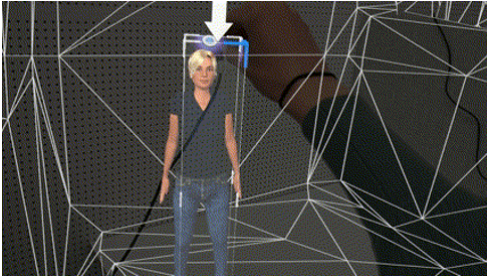
NVIDIA announced general availability of its ACE generative-AI microservices for server deployment in June 2024, with early access work for RTX PCs. The available stack joined Riva speech and translation, a Nemotron language model, Audio2Face facial animation and Omniverse RTX rendering. NVIDIA also named customer-service, game and healthcare implementations and previewed audio-driven gesture generation.
This modular design makes a digital human less like one authored character and more like a chain of replaceable services. A spoken response can pass through recognition, language generation, voice and animation before reaching a viewer. That flexibility helps builders combine components, but it complicates responsibility when the represented person says something wrong, moves oddly or creates a false impression of empathy.
The human implication
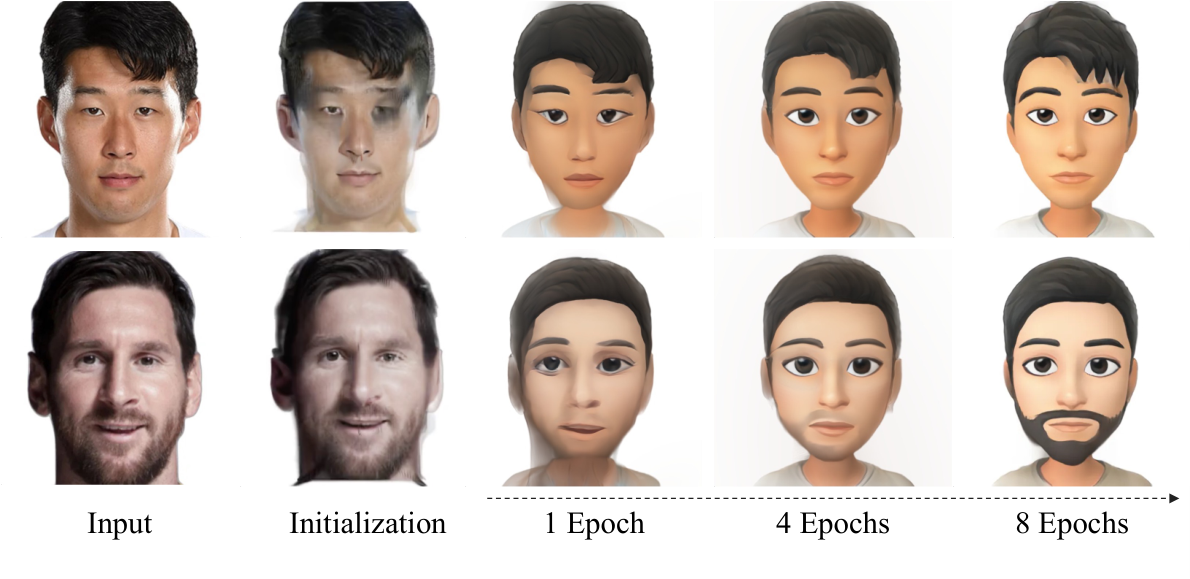
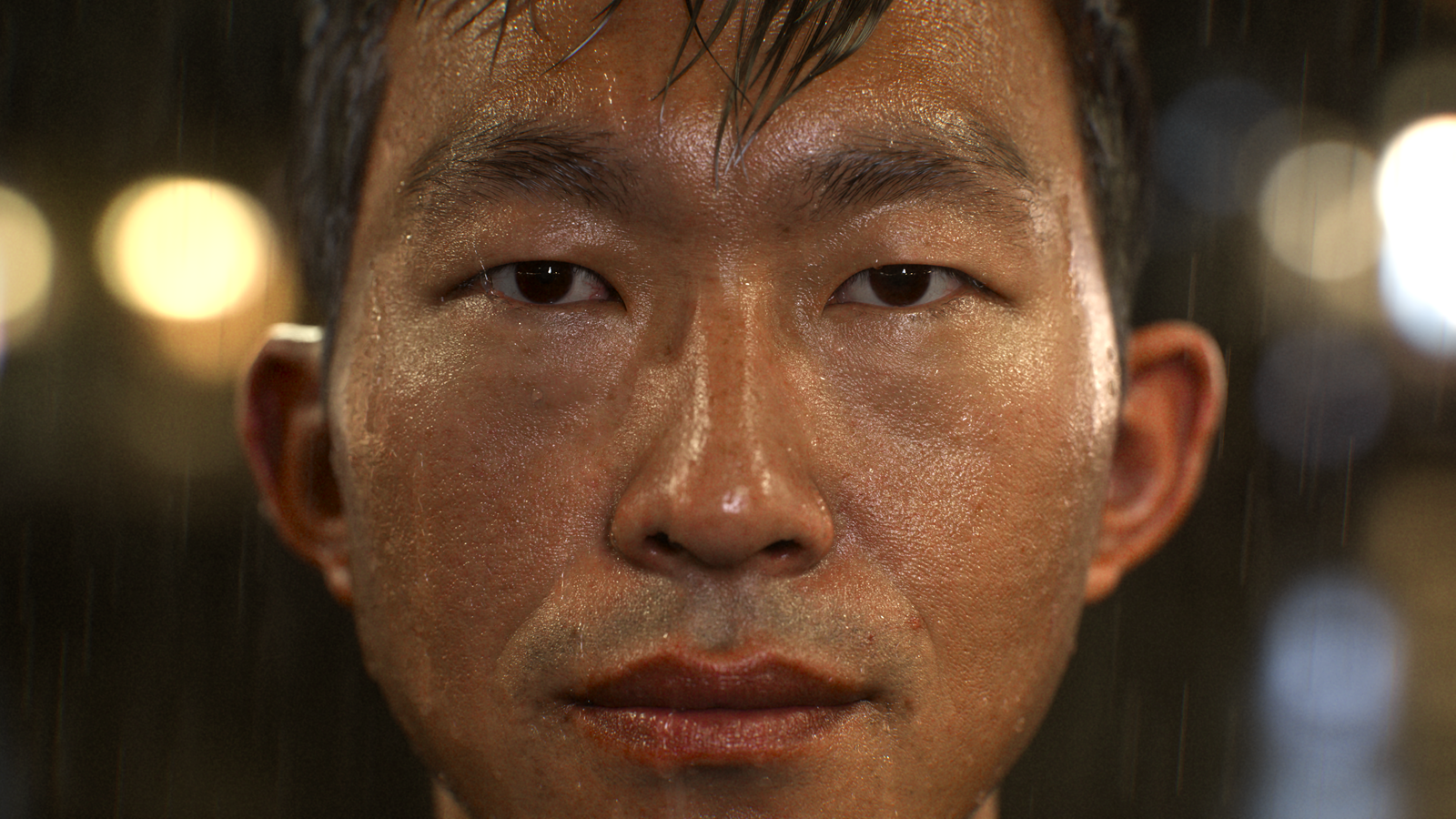
A face can lend social weight to uncertain output. In healthcare or service settings, viewers may attribute understanding to synchronized gaze and speech that the underlying system does not possess. Interfaces should identify automation, make escalation to a person easy and avoid using human likeness as evidence of expertise. Builders also need provenance for voice and appearance, especially when a branded or recognizable person is depicted.
NVIDIA's release establishes product availability and the components and partners it named. It does not validate accuracy, safety or user outcomes for those deployments. Those claims require application-specific evidence. The practical audit unit is the whole interaction chain: what data enters, which model decides, how animation presents the result, and who can correct or contest it. Logs should connect the final face and voice presented to the component versions that produced them, so errors can be traced.
Sources & limits
NVIDIA establishes ACE availability and its component stack; the release does not validate trust, accuracy or outcomes in deployed interactions.
- NVIDIA Releases Digital Human Microservices, Paving Way for Future of Generative AI Avatars
first-party · 2 June 2024 · Retrieved 15 September 2026
Send a correction with the passage and supporting source.