research 2026
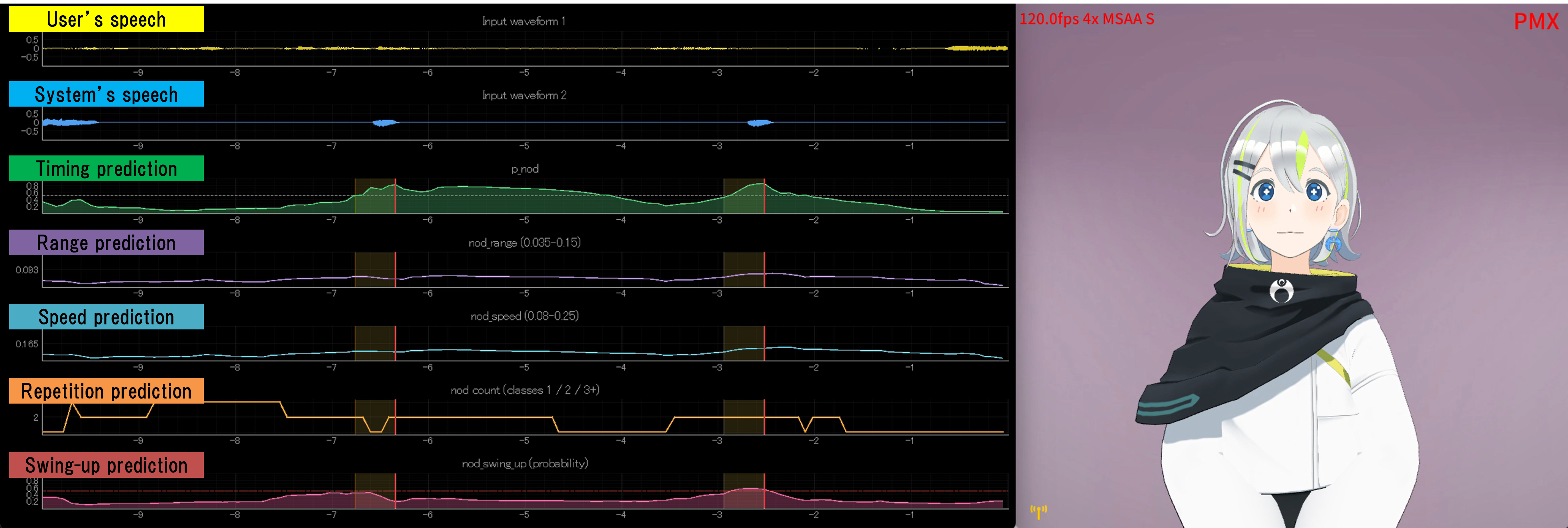
A nod has more moving parts than you'd think
One research team tested the timing, speed and shape of an avatar's nod. Looking attentive is still different from understanding a conversation.
Read the storyDispatches / 100 complete stories
Pick a topic. Follow a creator. Get slightly too interested in how a face moves. The archive connects avatar culture with the people and tools behind it.
Archive dates refer to the original source or event. All entries were prepared in September 2026.
100 stories
All topics · All years · All types
Try a broader phrase or use Clear filters to explore the archive again.
research 2026
One research team tested the timing, speed and shape of an avatar's nod. Looking attentive is still different from understanding a conversation.
Read the story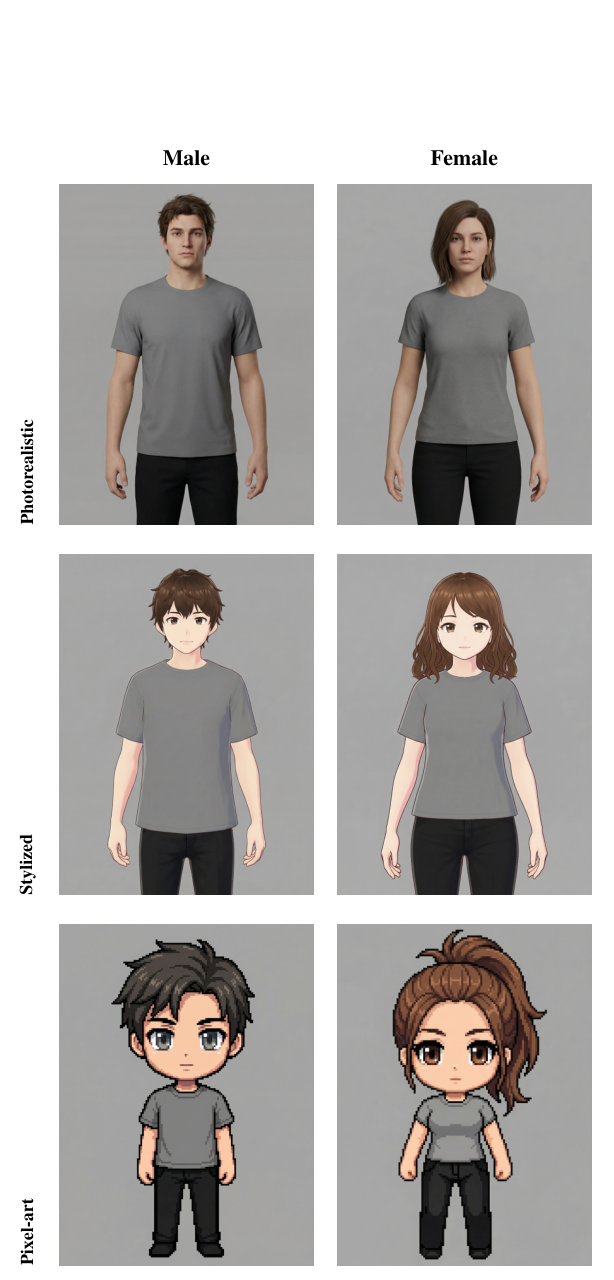
research 2026
An audit crosses avatar style and voice presentation to examine how models make social choices from synthetic character cues.
Read the story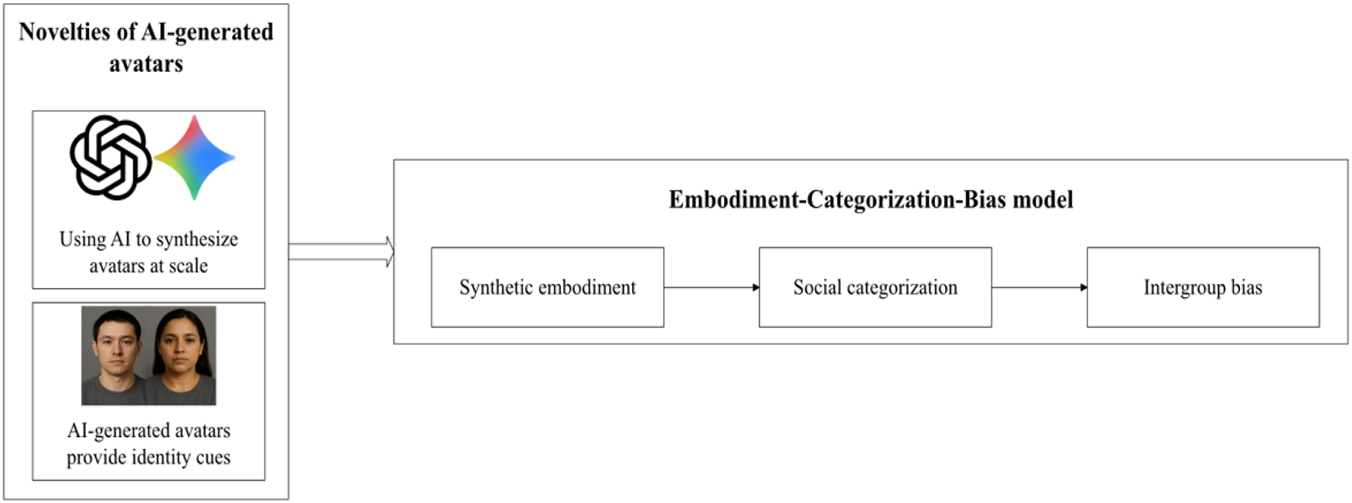
research 2026
A 2026 theory paper proposes a way to study generated identity cues. Its most useful boundary is the one between a demonstration and evidence.
Read the story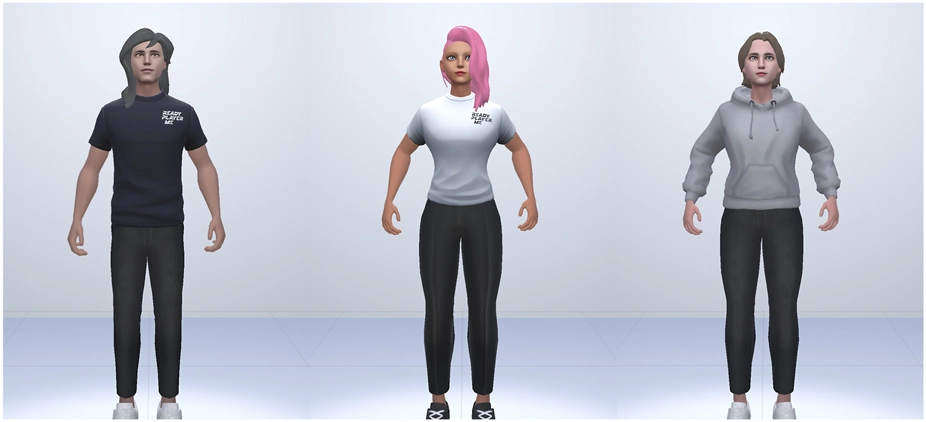
research 2026
A 2026 experiment compares generic, self-configured and photo-generated bodies without treating a likeness as the only useful outcome.
Read the story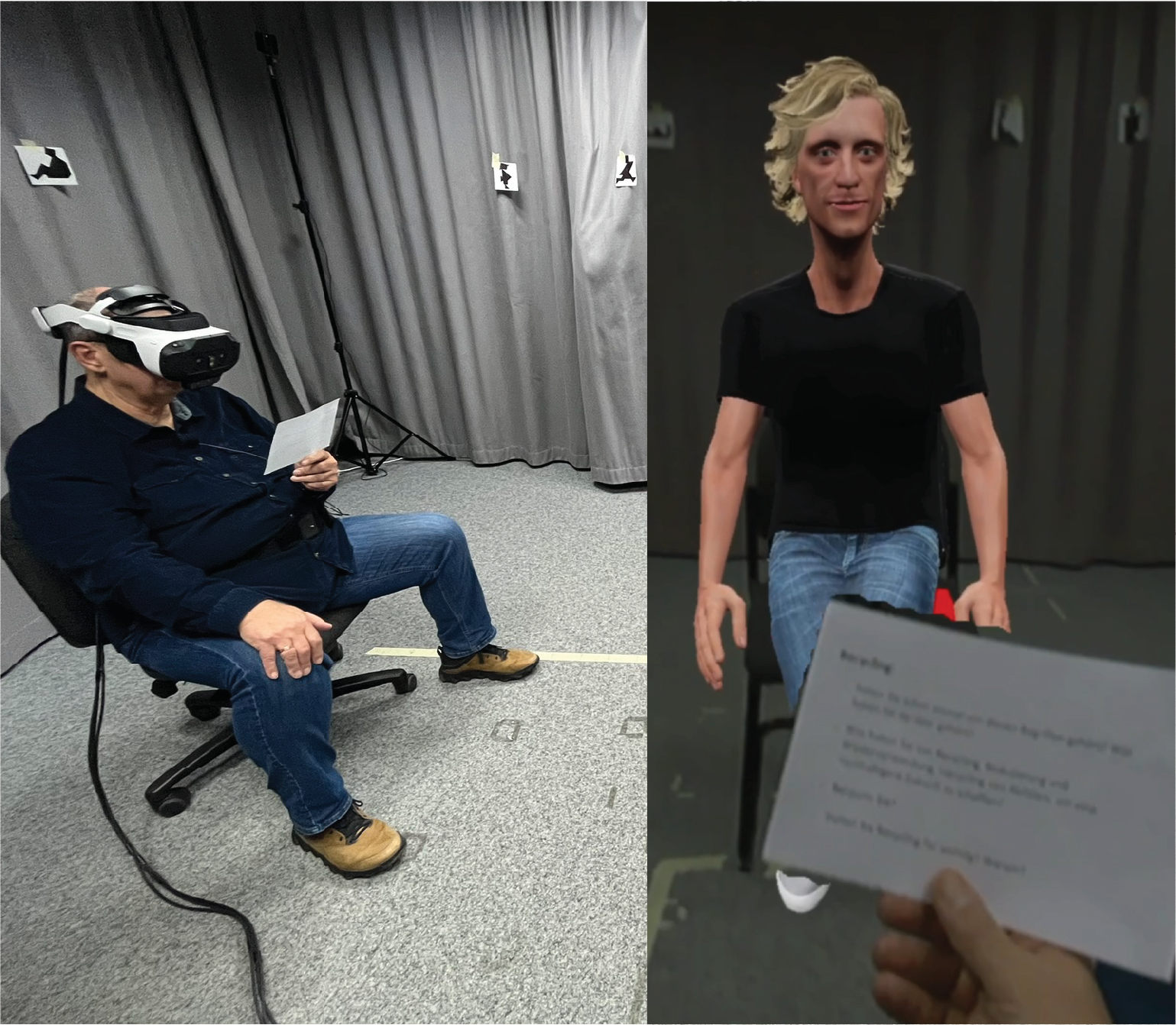
research 2026
A small comparison with older adults asks what changes when a remote conversation acquires a digital body or a physical machine.
Read the story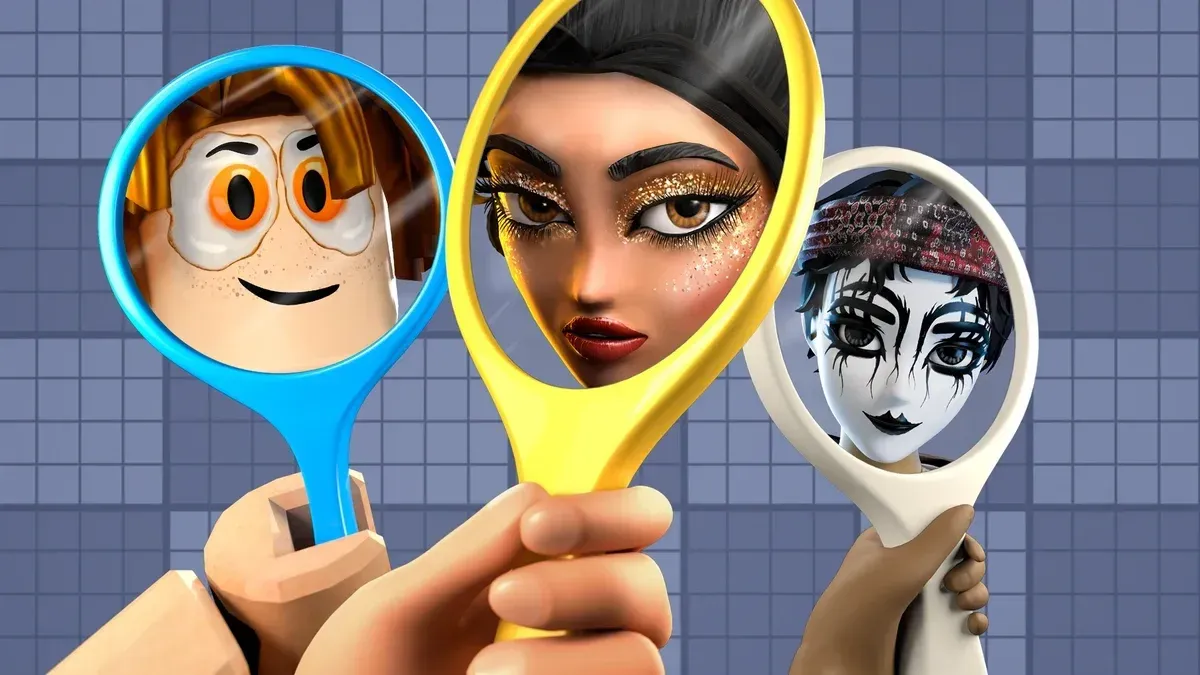
platform watch 2026
Brows, lashes, lips and face paint become separate choices. The interesting bit is how they combine.
Read the story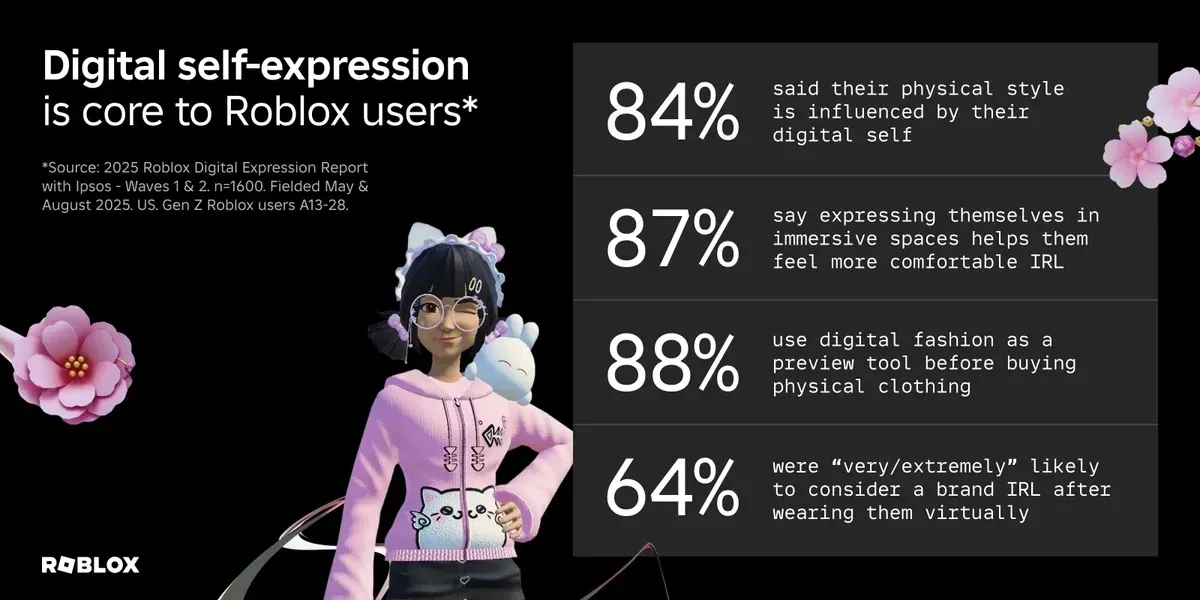
opinion 2025
A year-end company recap positioned searching and repeated avatar revision as signals of taste and belonging.
Read the story
dispatch 2025
COVER's first offline performance from its Unreal Engine live-development project integrated anime-style talent models with a physical concert workflow.
Read the story
platform watch 2025
VRChat’s iOS and Android launch reaches more screens, but its hardware limits make mobile presence different from full VR.
Read the story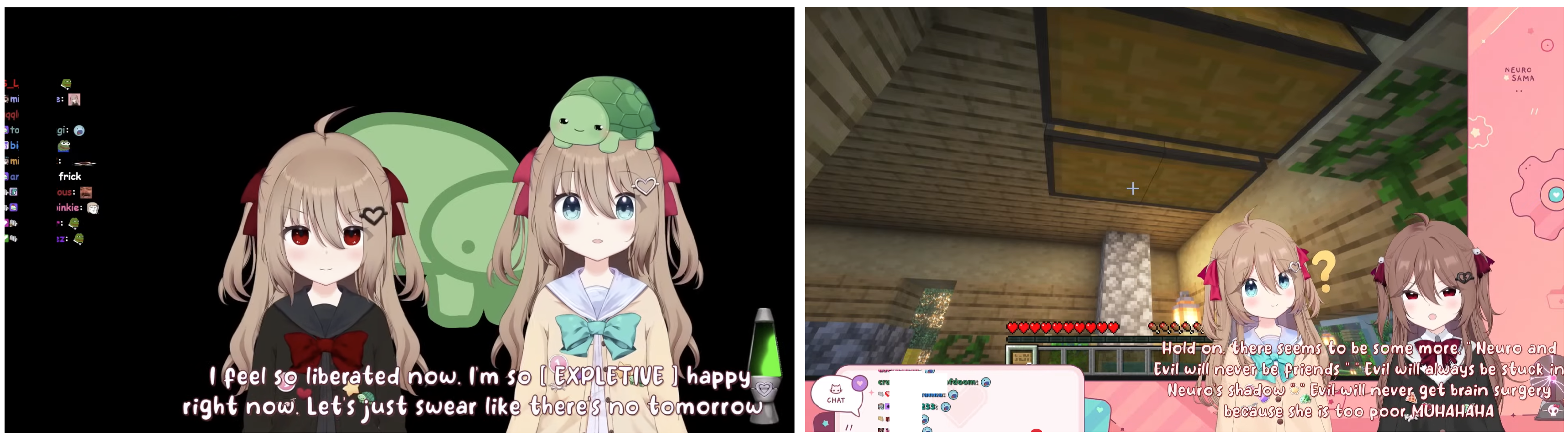
research 2025
A large comment corpus shows how viewers make meaning around one AI-driven VTuber. The scale is substantial, but the case does not erase the people who build, moderate and sustain the act.
Read the story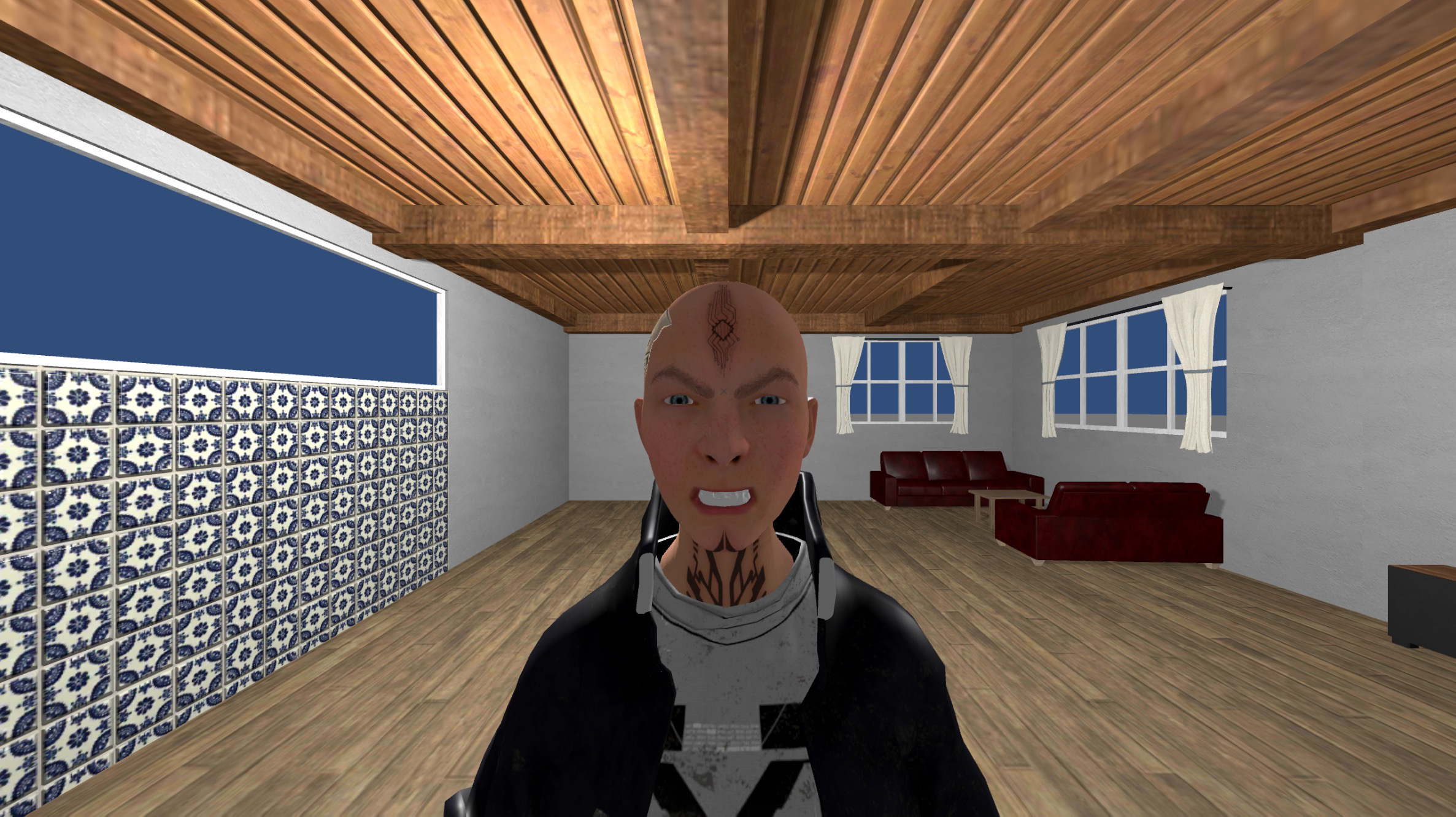
research 2025
A small experiment separates personal-space intrusion from facial expression, giving virtual hosts a more useful question than how realistic their face looks.
Read the story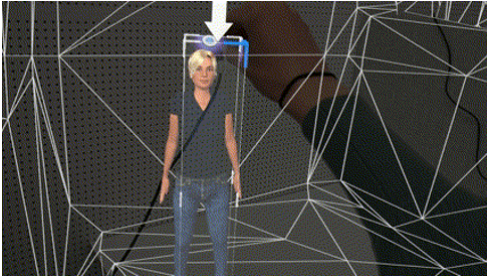
research 2025
German Sign Language users preferred the idea of customization, but an adjustable avatar did not significantly improve comprehension or experience and demanded more effort.
Read the story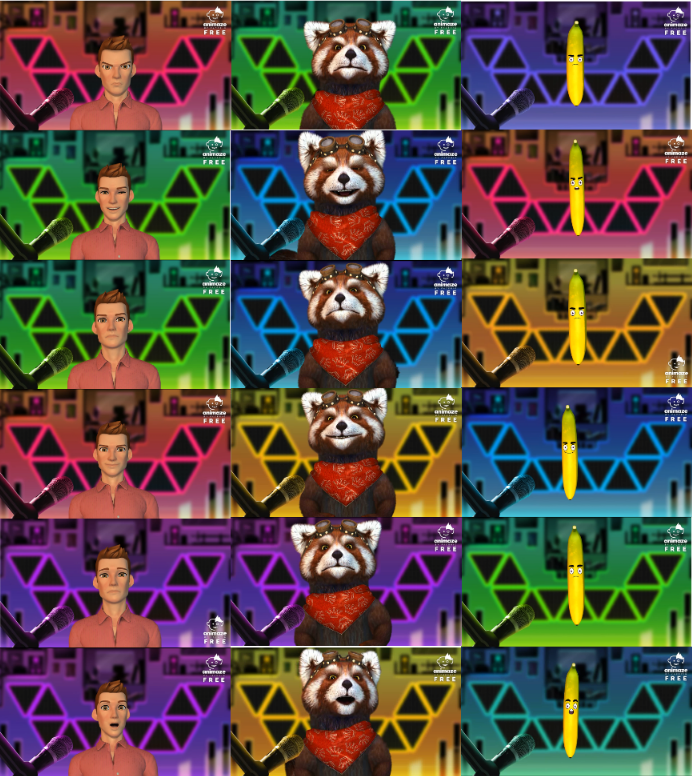
research 2025
Can you read the same emotion on a human, a raccoon and a banana? A small study gets into the wonderfully awkward details of designing an expressive face.
Read the story
profile 2025
The 2025 winners received public placement, a badge, VRC+ and a fast track into the platform's avatar marketplace seller program.
Read the story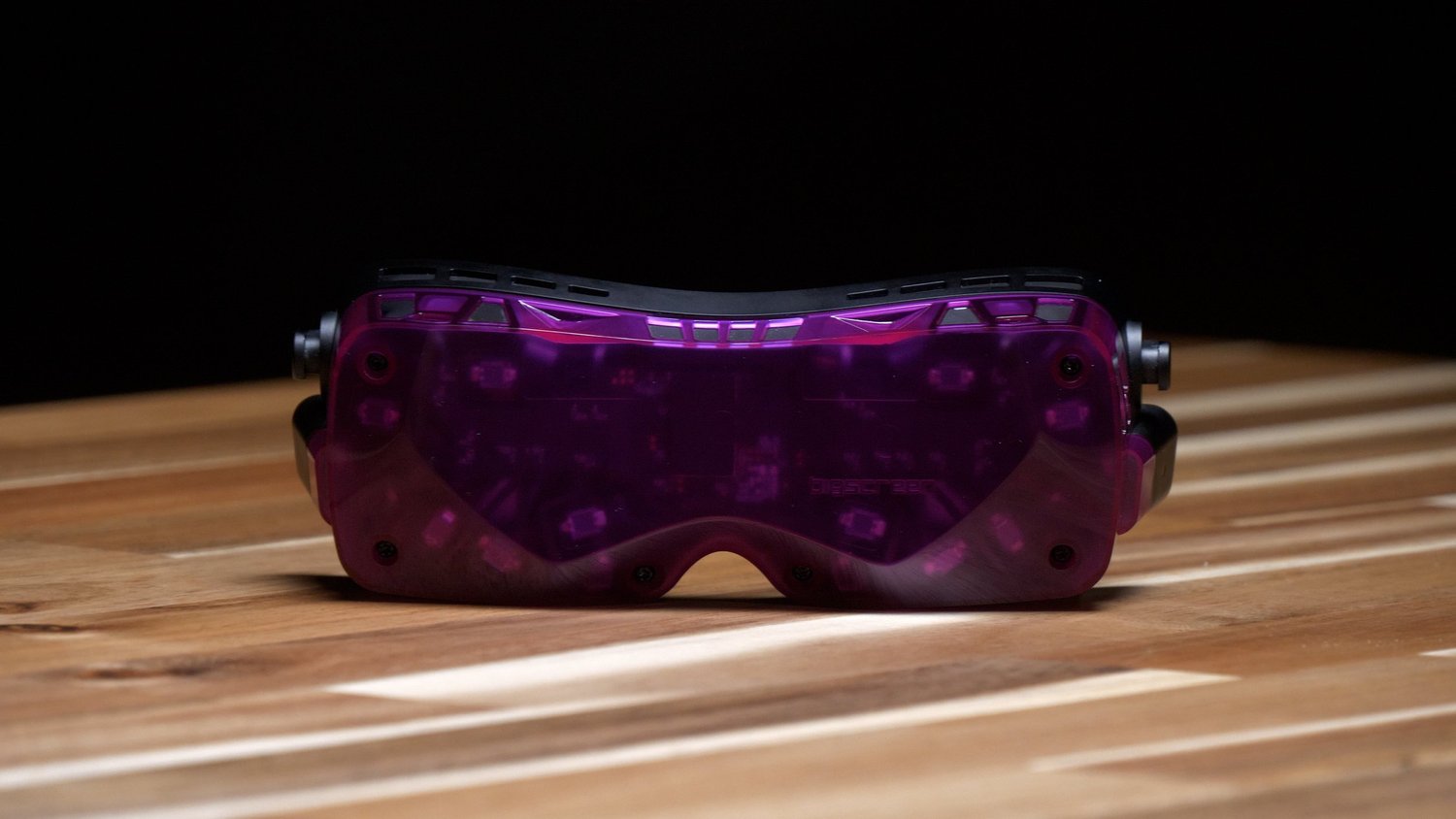
platform watch 2025
VRChat’s Bigscreen Beyond 2e edition announcement connected on-device eye tracking to avatar pupil movement.
Read the story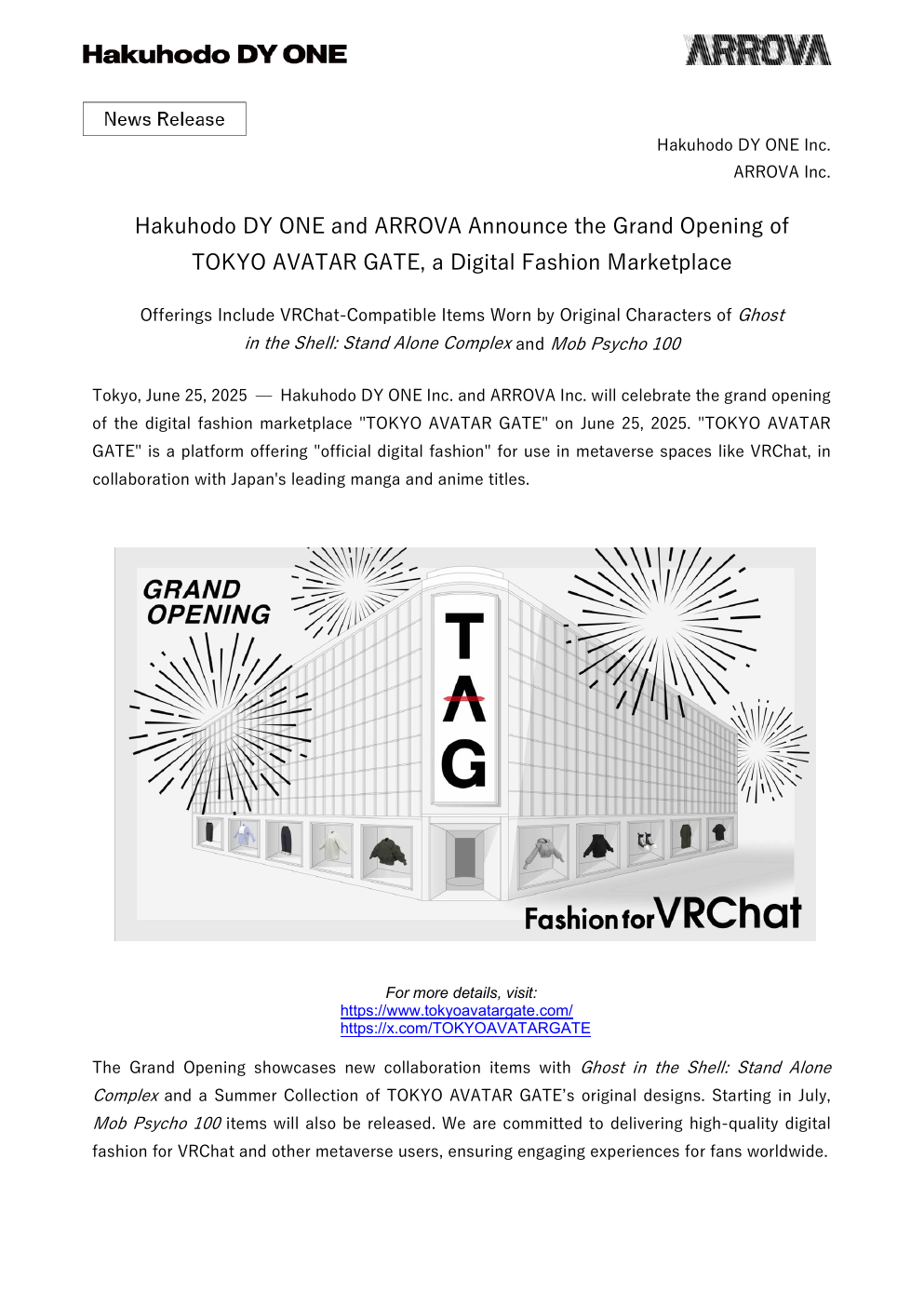
platform watch 2025
Hakuhodo DY ONE and ARROVA opened a marketplace for officially licensed digital clothing tied to Japanese entertainment properties.
Read the story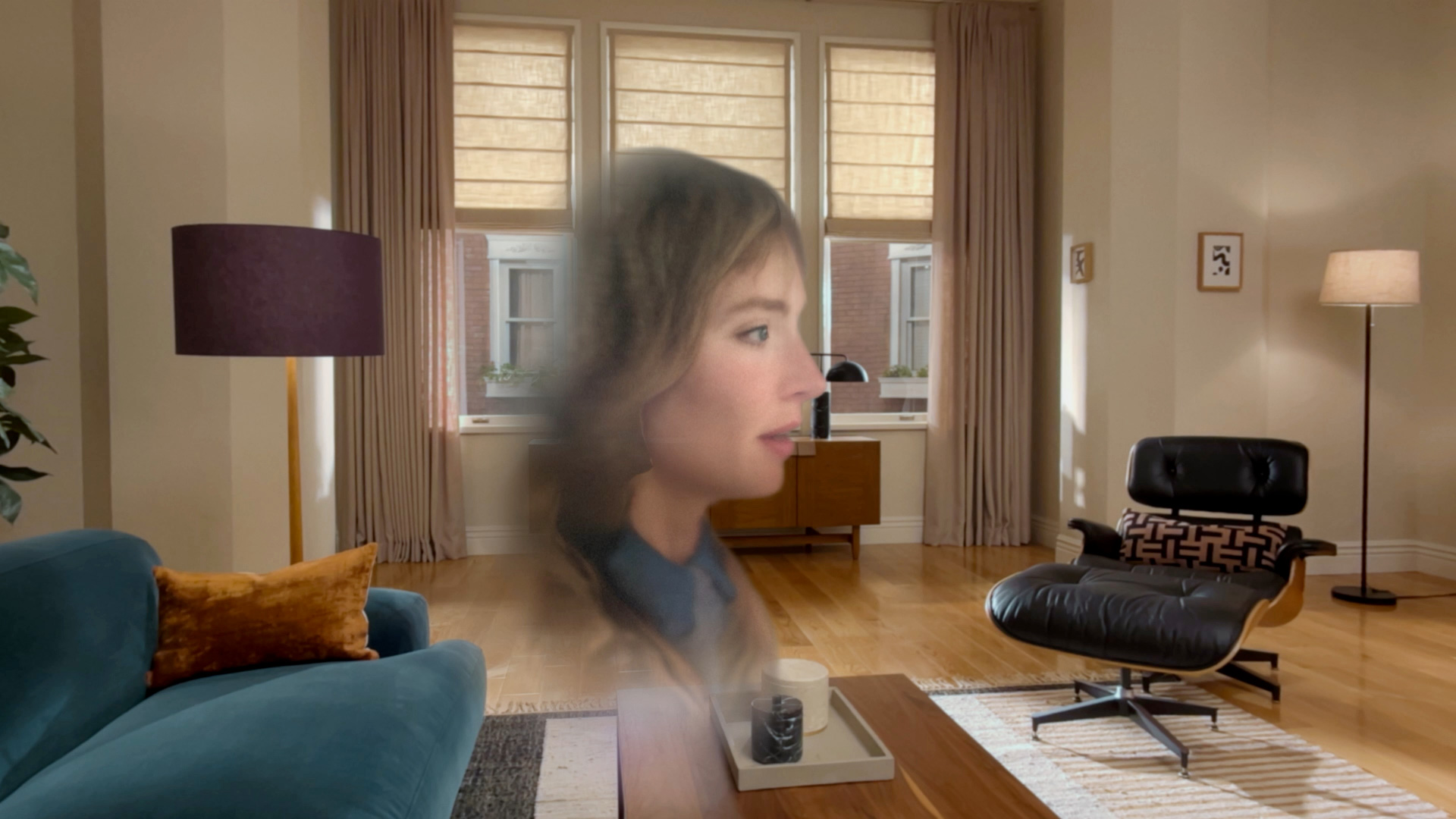
platform watch 2025
VisionOS 26 added a more detailed Persona rendering and let users adjust and preview it spatially during setup.
Read the story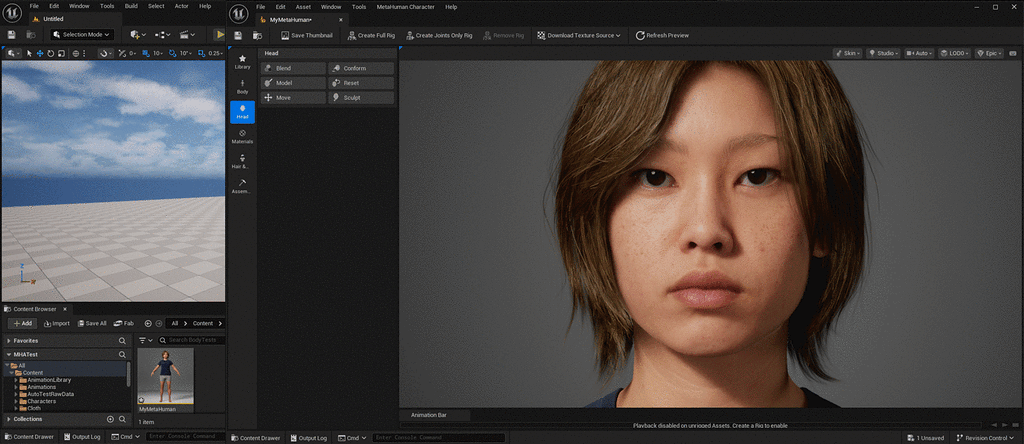
platform watch 2025
Epic moved MetaHuman Creator into Unreal Engine, added body design tools, and widened the routes for animation, assets and licensing.
Read the story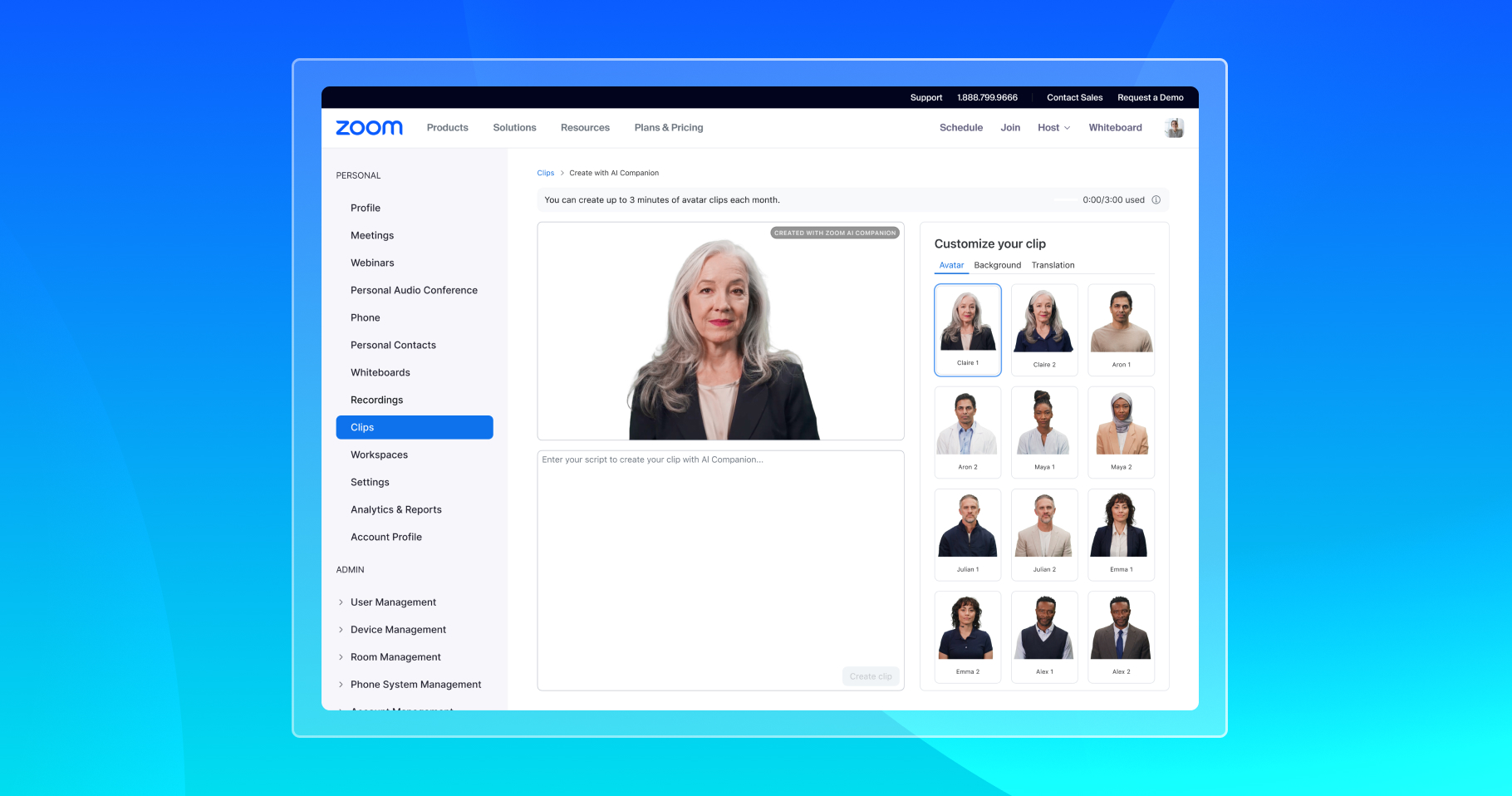
platform watch 2025
A June 2025 product guide documented how Zoom Clips users could build a custom likeness, add a script and generate a watermarked avatar video.
Read the story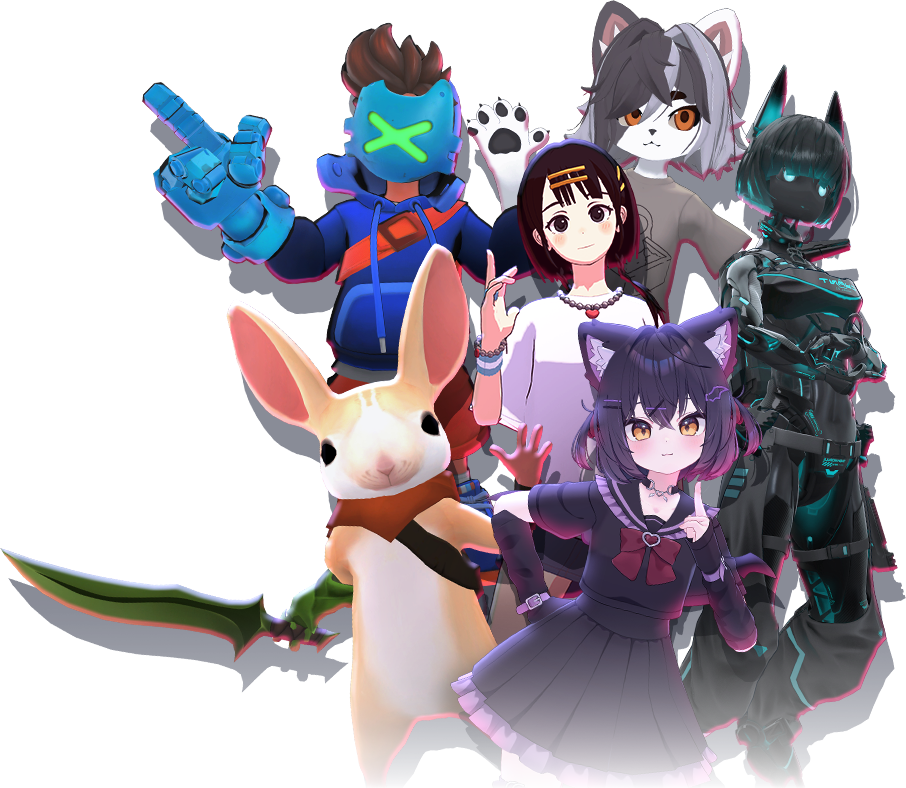
platform watch 2025
VRChat's 2025 Avatar Marketplace let people browse, try and buy creator-made identities without leaving the social platform.
Read the story
profile 2025
Hoshimachi Suisei's first solo exhibition organized her musical career across five physical gallery sections in Tokyo and Nagoya.
Read the story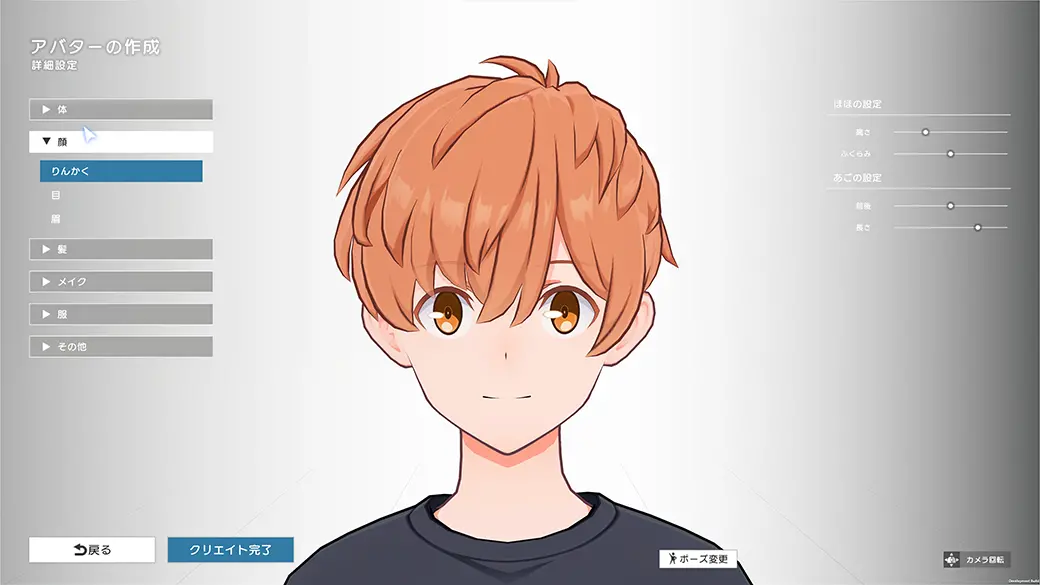
platform watch 2025
The 2025 release let users design clothing and stickers, sell approved items and build a public in-world shop around them.
Read the story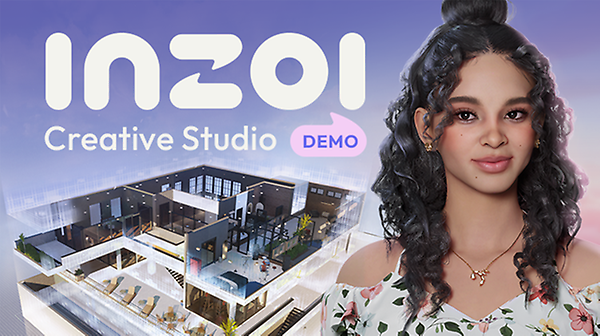
dispatch 2025
KRAFTON opened Create a Zoi and Build Mode before early access, letting people author and share represented residents ahead of the simulation.
Read the story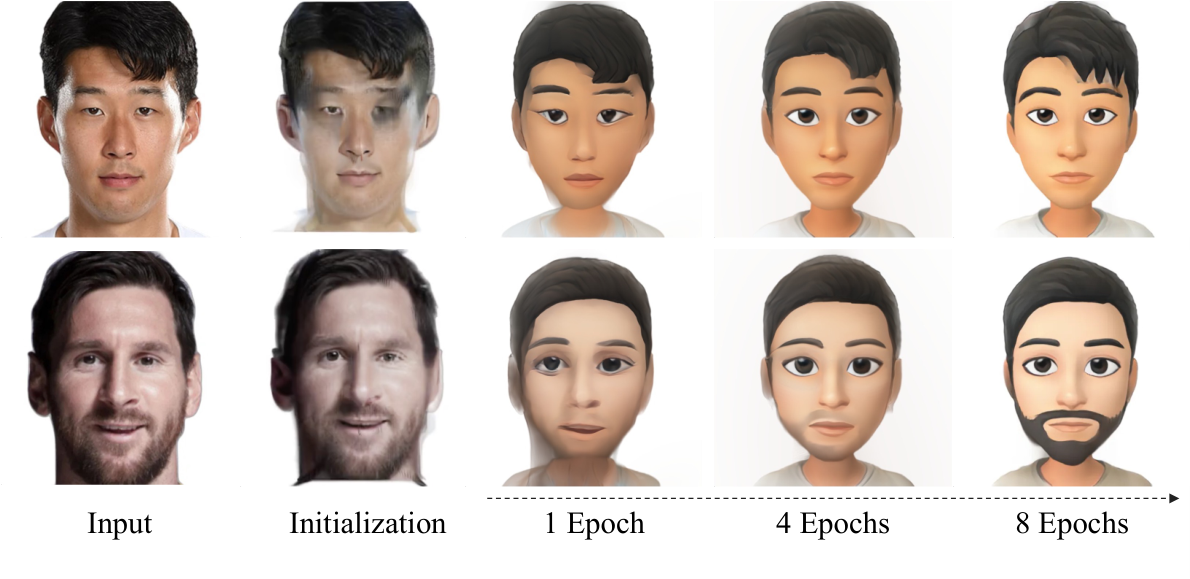
research 2025
A research avatar can become cartoon, yarn or toy. The harder question is who decides that the result still feels like them.
Read the story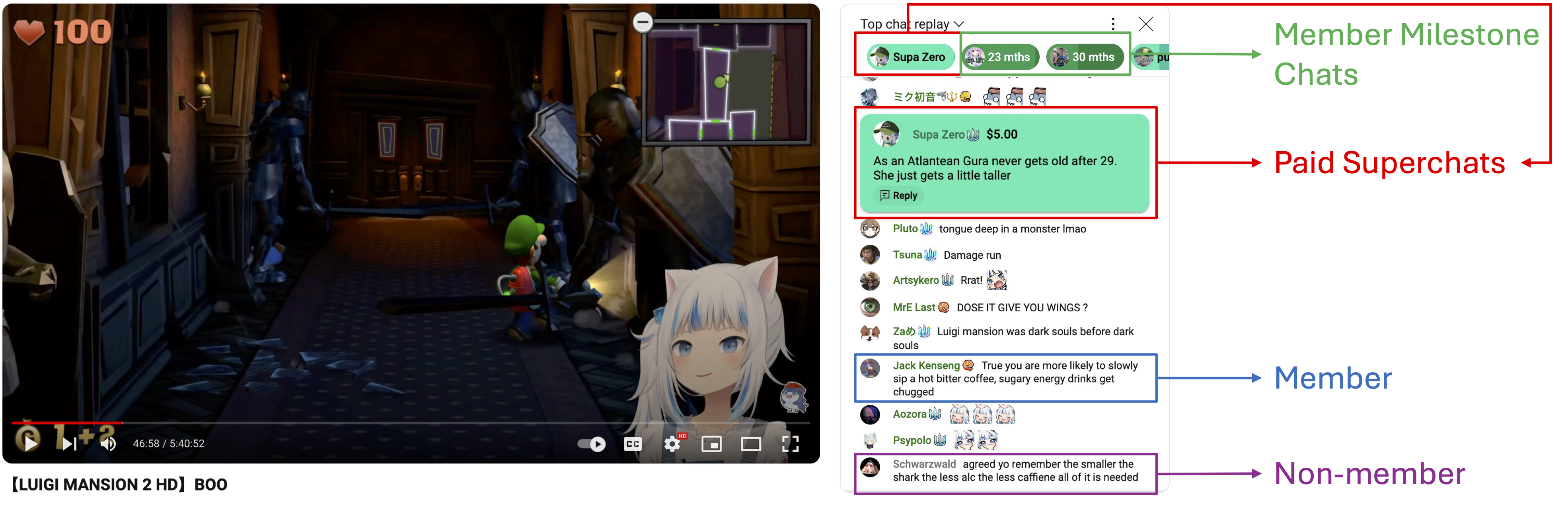
research 2025
A study of virtual creators shows why the shape of the data matters before a headline becomes somebody’s career plan.
Read the story
profile 2025
Three years after pausing activities, Kizuna AI resumed in 2025 with a new song and a redesigned visual presentation.
Read the story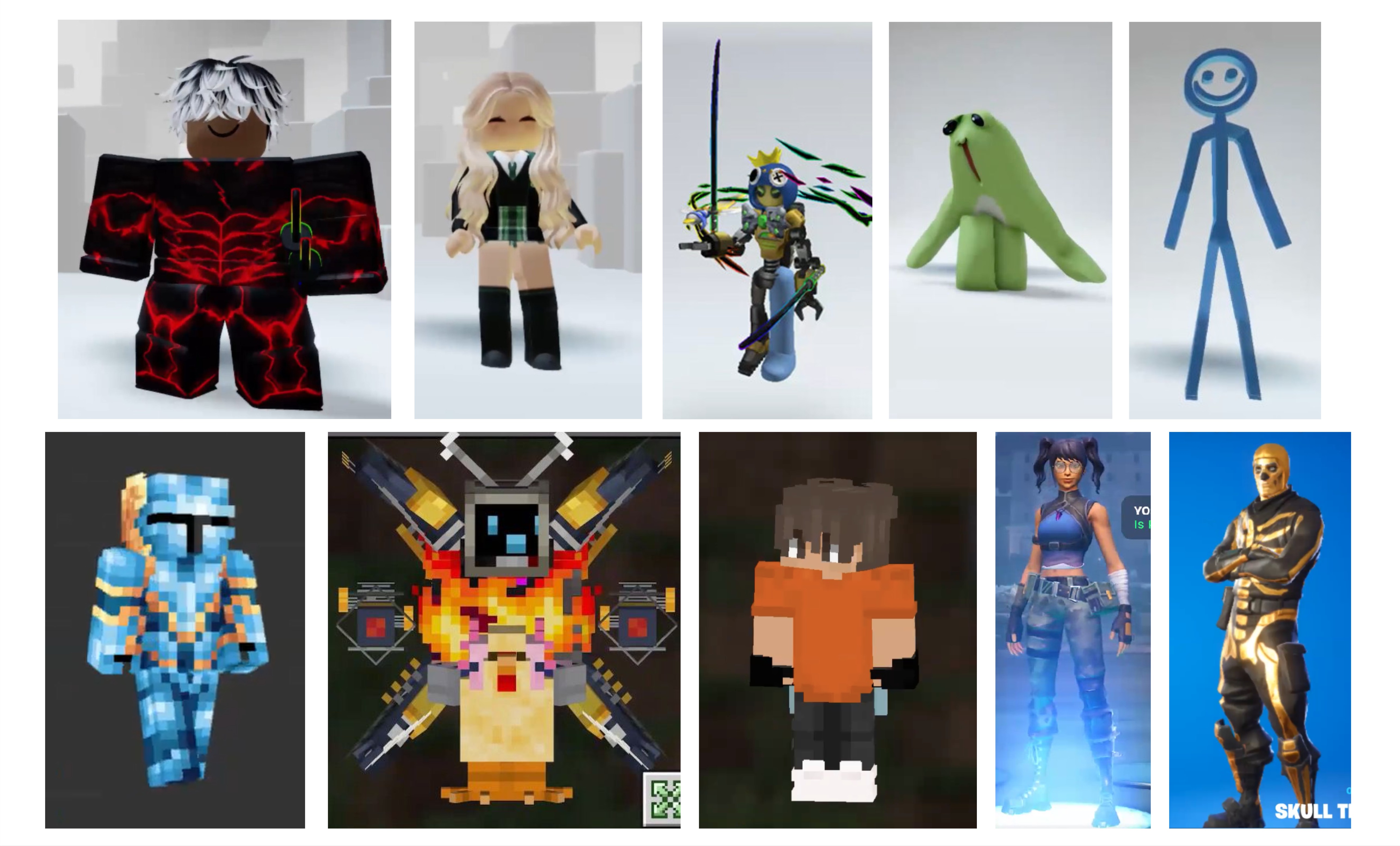
research 2025
A study of avatar making looks beyond the purchase to self-expression, belonging and the favorite character that gets worn again.
Read the story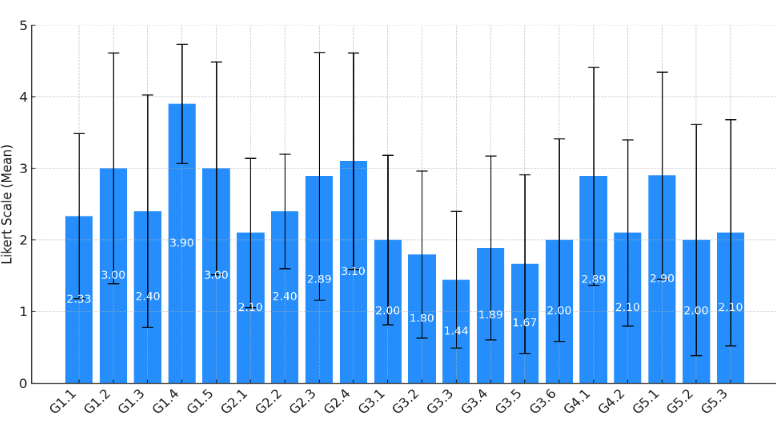
research 2025
A set of disability representation guidelines moves attention from a list of objects to how an avatar behaves and can be changed.
Read the story
platform watch 2025
The January 2025 rollout tied optional profile badges and adult group instances to an identity check through Persona.
Read the story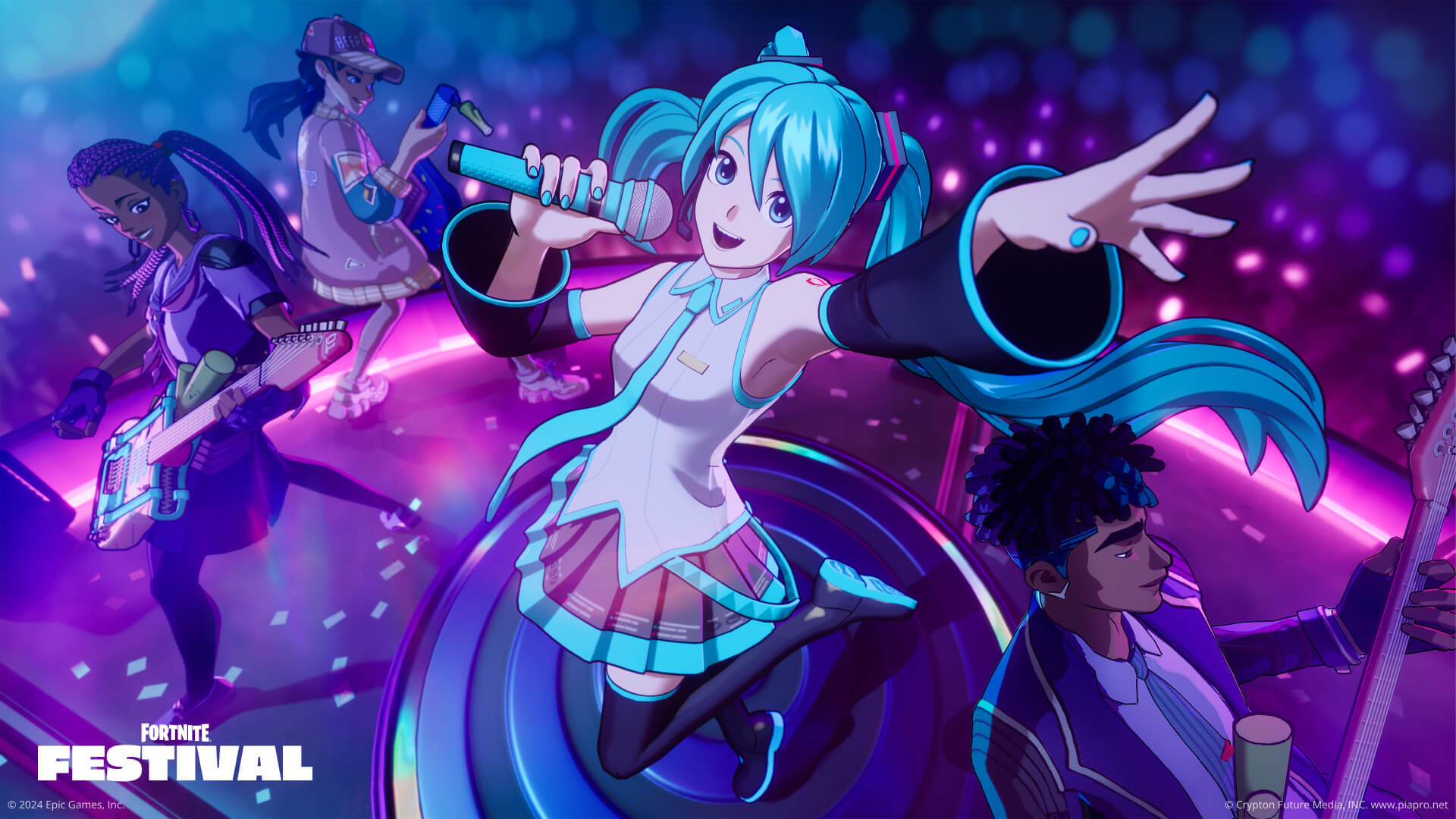
profile 2025
Fortnite Festival's 2025 Miku season distributed a virtual artist across songs, outfits, emotes, instruments and several game modes.
Read the story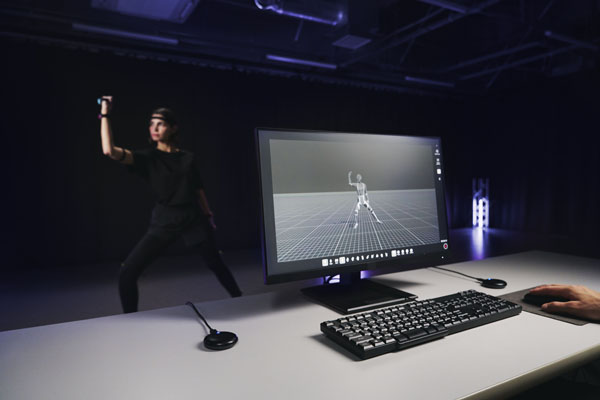
platform watch 2025
Sony's 2025 XYN announcement joined higher-density motion capture, automatic interpolation, tagging and timeline editing for 3D creators.
Read the story
dispatch 2024
Pixiv's mobile app combined VRoid Hub identities with songs, motion, backgrounds and user-remixable video templates.
Read the story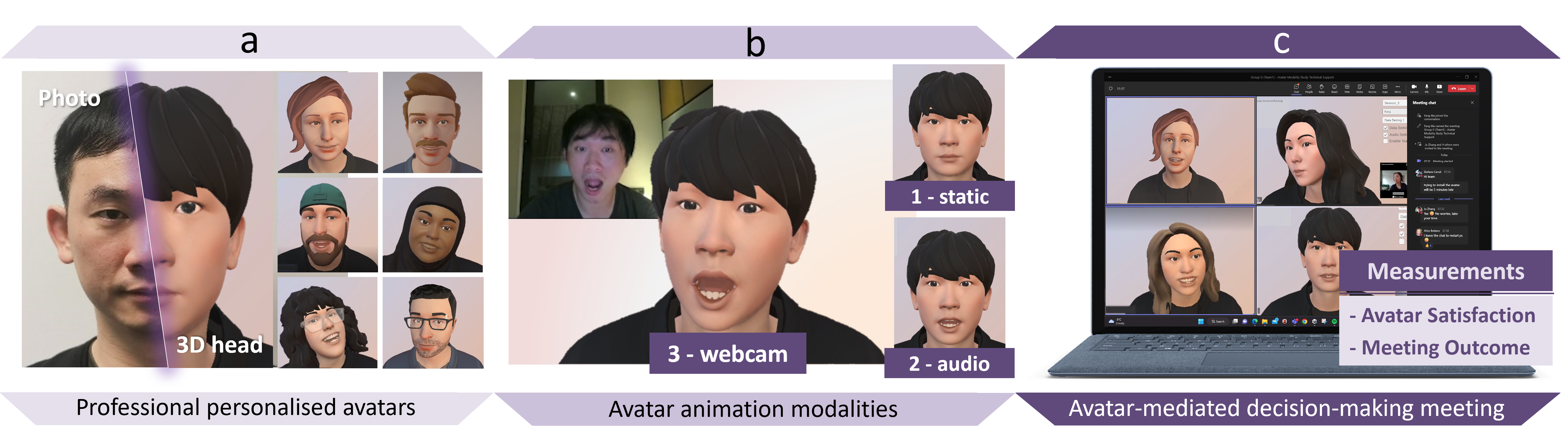
research 2024
A meeting experiment isolates animation modes and finds a useful reason to care about small, meaningful movements.
Read the story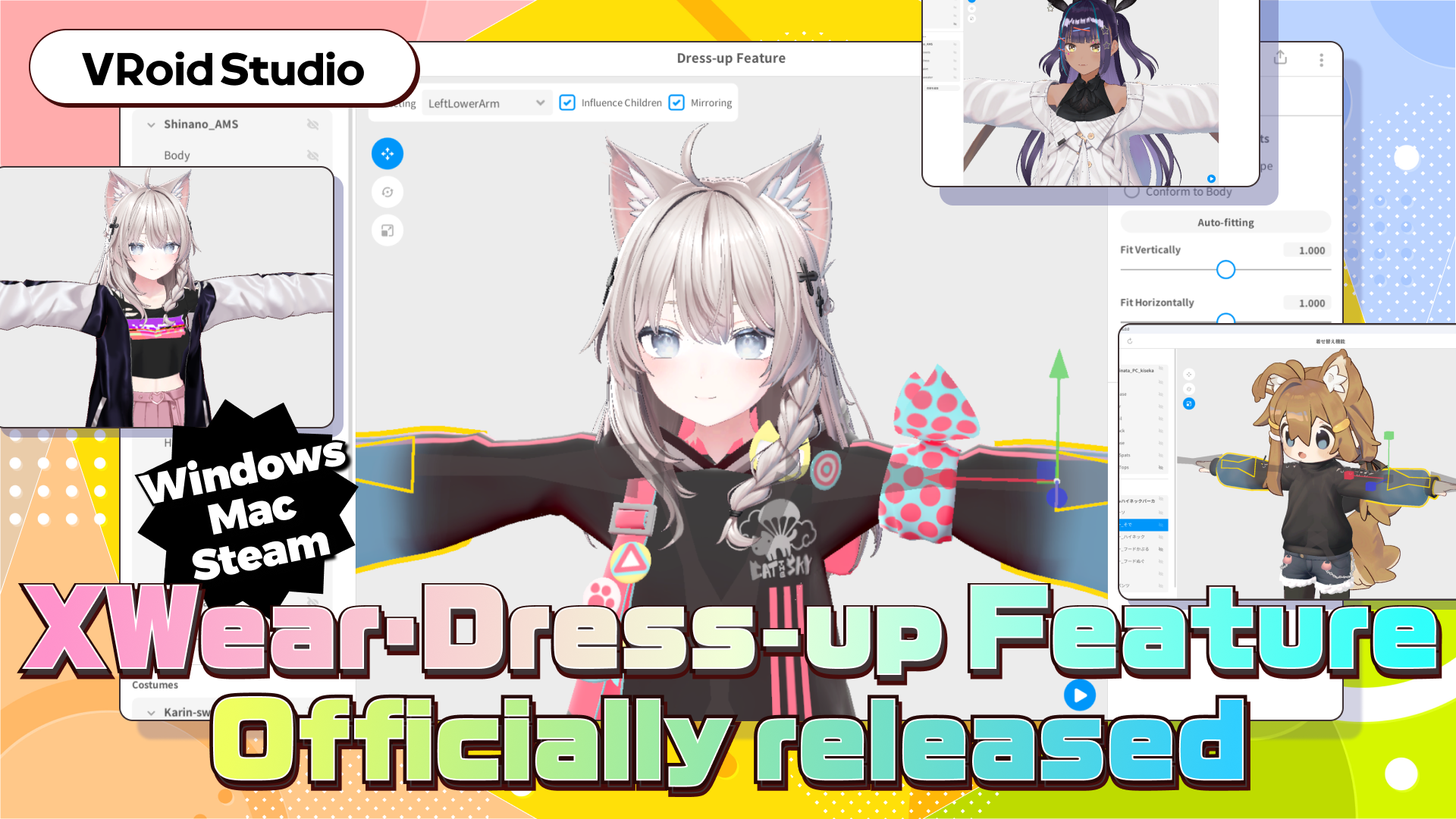
platform watch 2024
After an October open beta, VRoid Studio 2.0 formally released dress-up and XWear with fitting, export and packaging paths.
Read the story
profile 2024
Mori Calliope's 2025 Hollywood Palladium show was announced as the first hololive production solo concert held outside Japan.
Read the story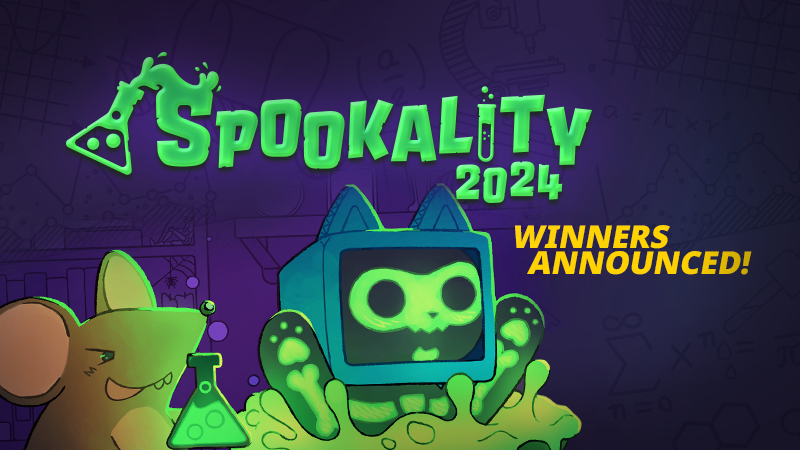
profile 2024
VRChat’s 2024 contest spotlighted avatars that used Avatar Scaling Parameters to change how they looked or worked.
Read the story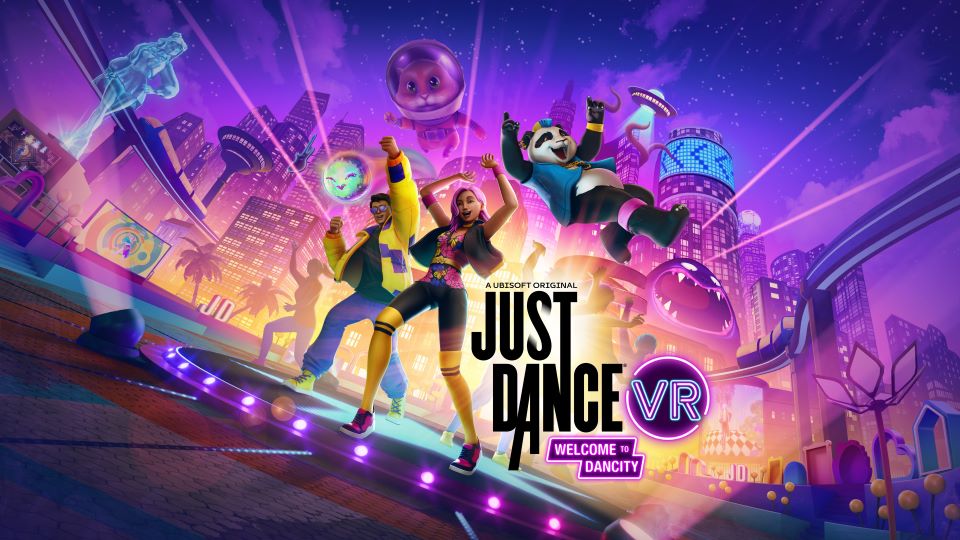
profile 2024
Welcome to Dancity combined customizable Ready Player Me bodies, dual-controller scoring and social spaces where movement remained visible beyond a song.
Read the story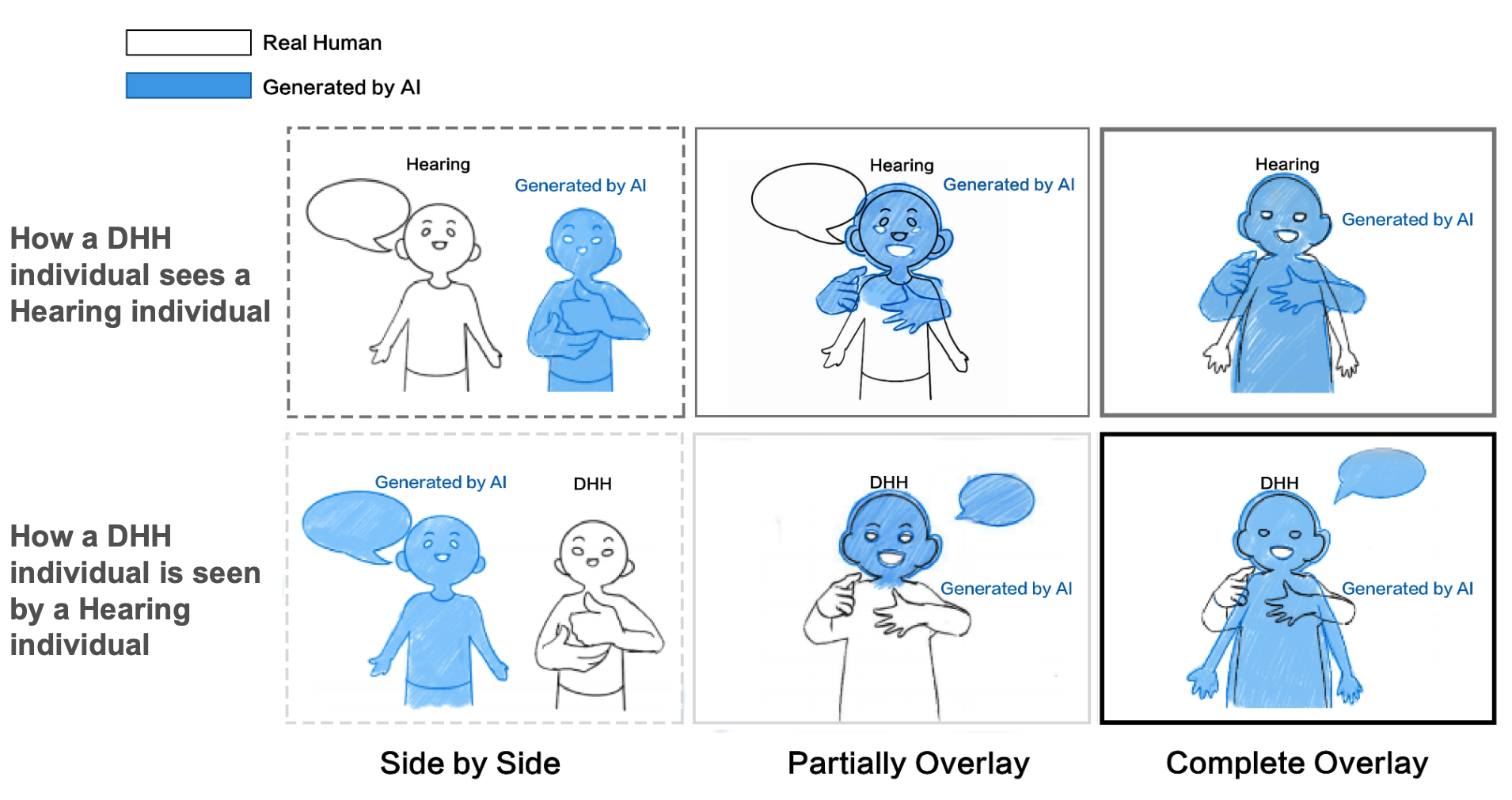
research 2024
Fifteen DHH students used participatory design to imagine mixed-reality communication. Their sketches describe desired control and social norms; they do not validate an AI interpreter.
Read the story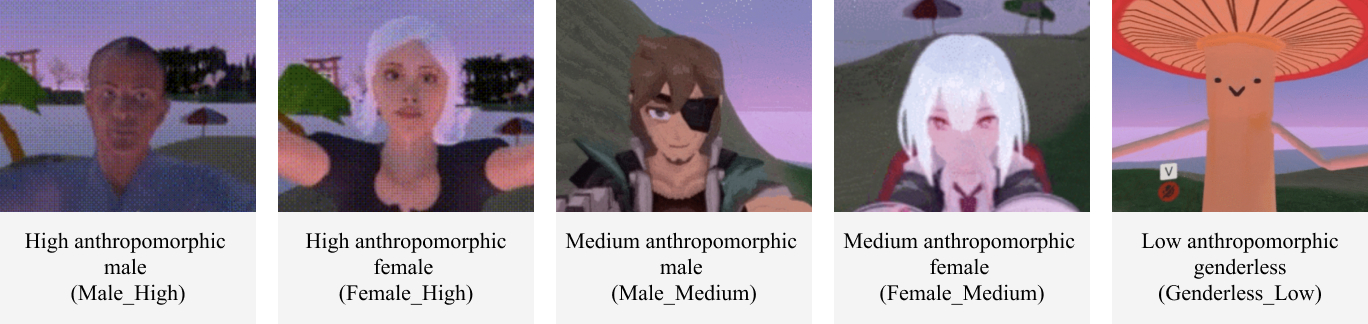
research 2024
A mixed-methods study finds that avatar appearance can shape harassment judgments alongside behavior. That makes appearance a design concern, not a substitute for conduct rules.
Read the story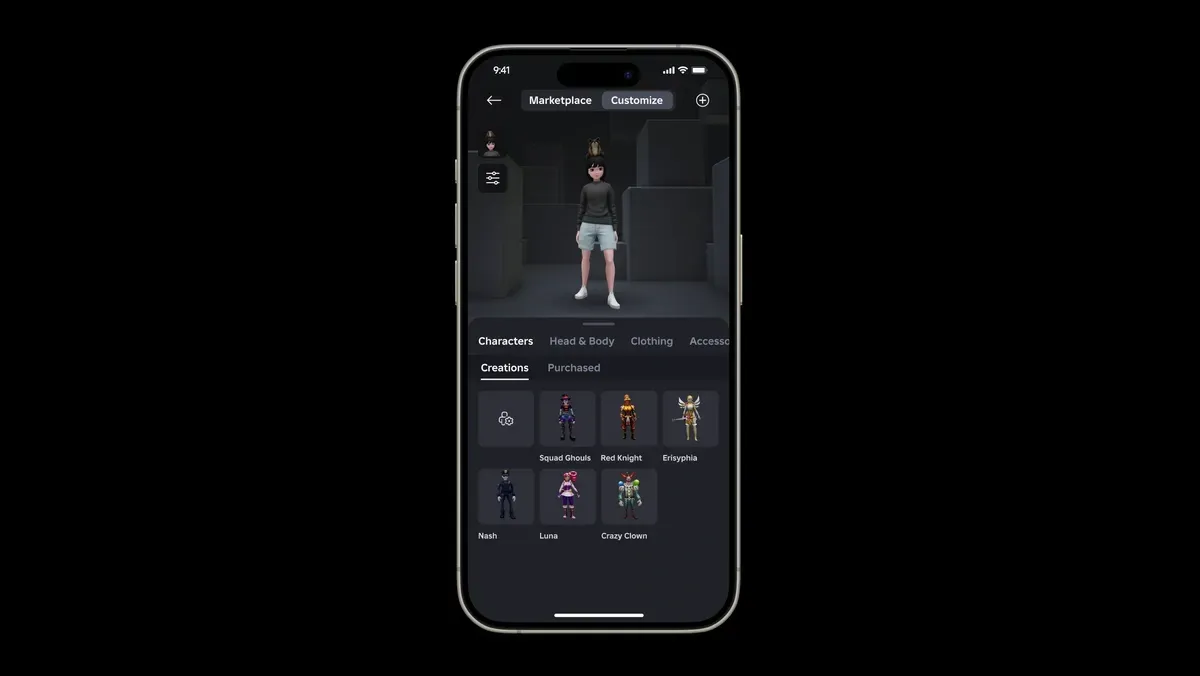
platform watch 2024
Opening avatar-item creation beyond an invite-only program changed both the supply of wearable identity and the conditions for creator access.
Read the story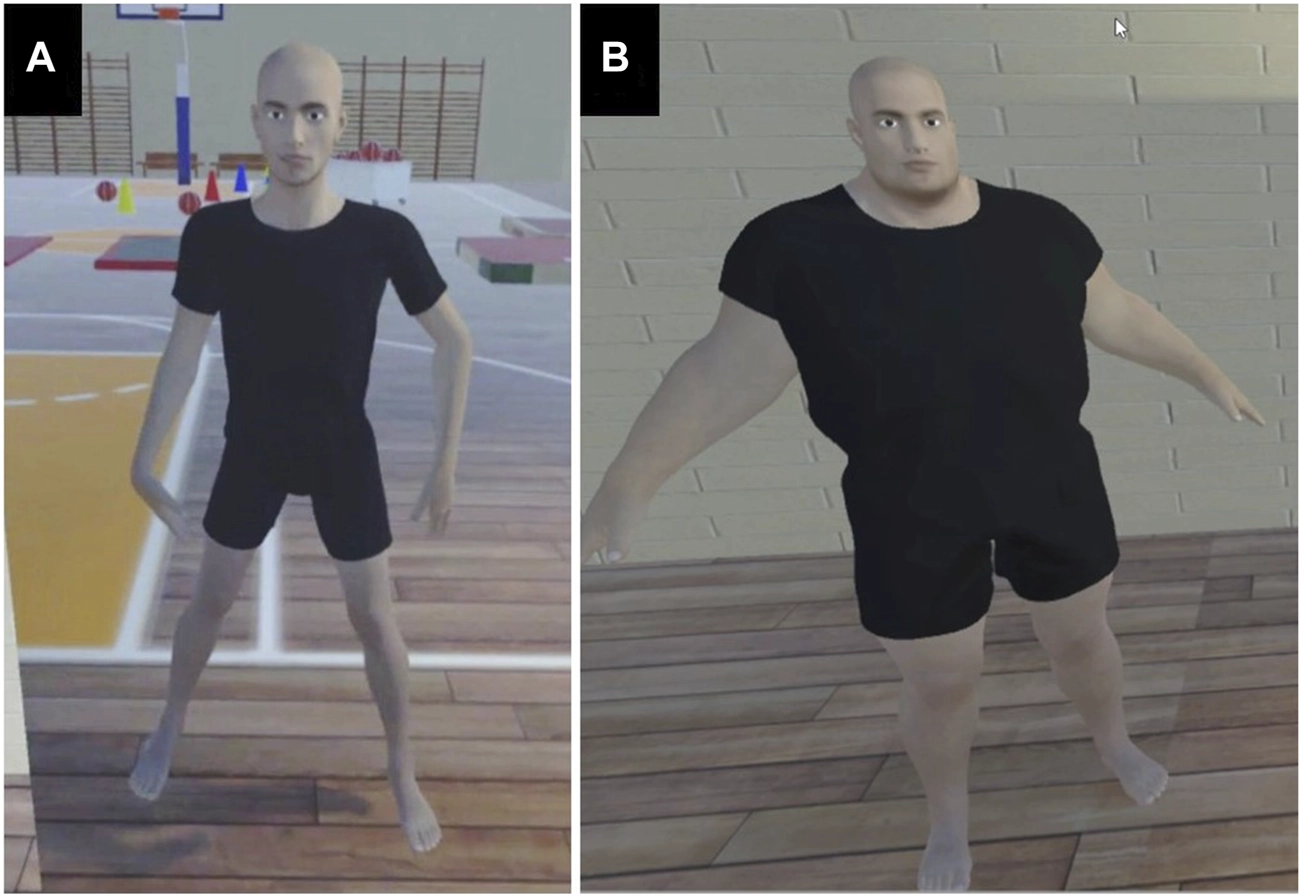
research 2024
Choosing a body while you're already in VR may feel different from tweaking a distant model. A small study puts that difference under the microscope.
Read the story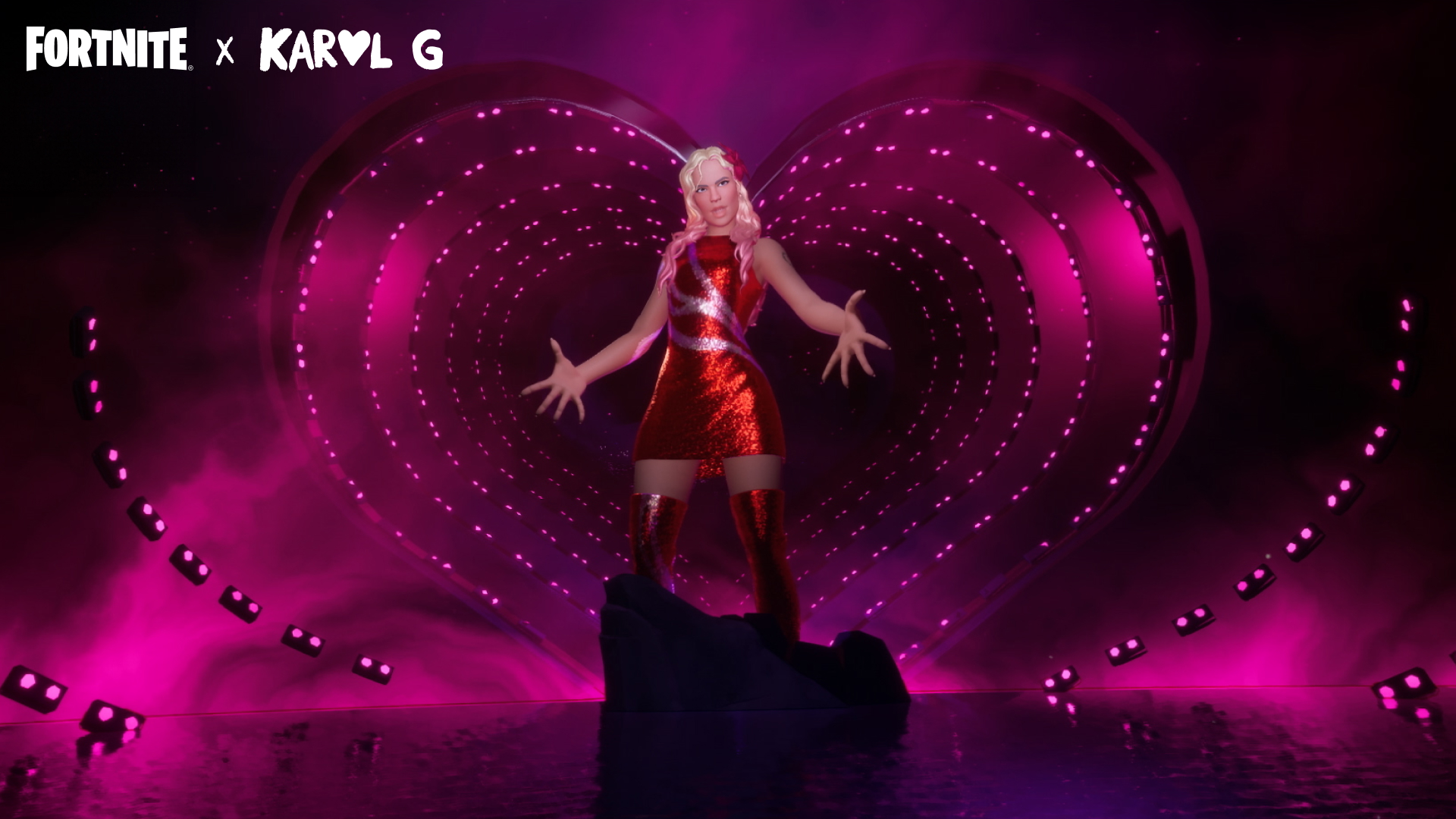
dispatch 2024
Magnopus built a five-part playable concert where small groups raced, surfed and danced through a Karol G-themed virtual world.
Read the story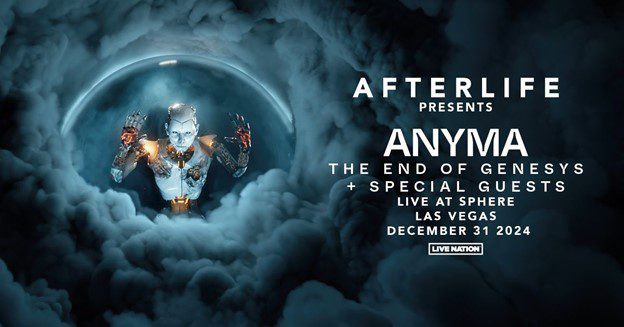
dispatch 2024
The End of Genesys brought Anyma's audiovisual world to a venue whose screen surrounded the audience rather than framing one stage rectangle.
Read the story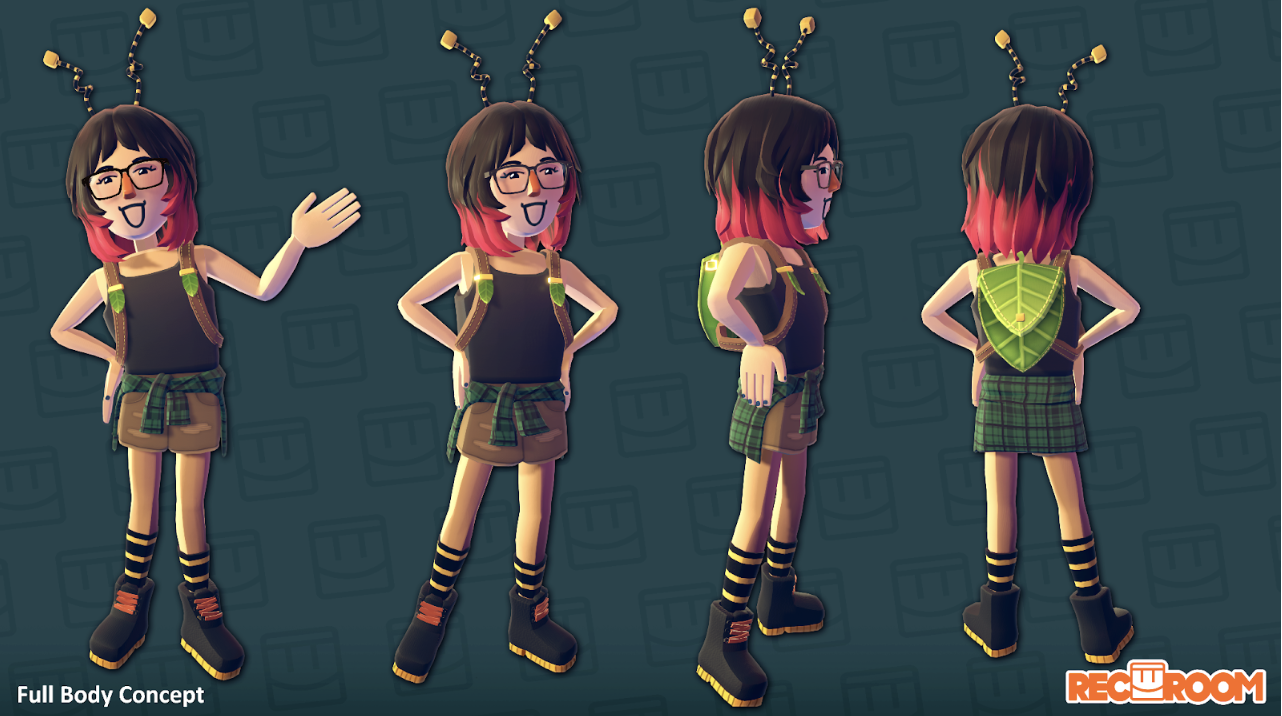
platform watch 2024
The 2024 beta added limbs and a new movement system while keeping Rec Room's familiar bean body available.
Read the story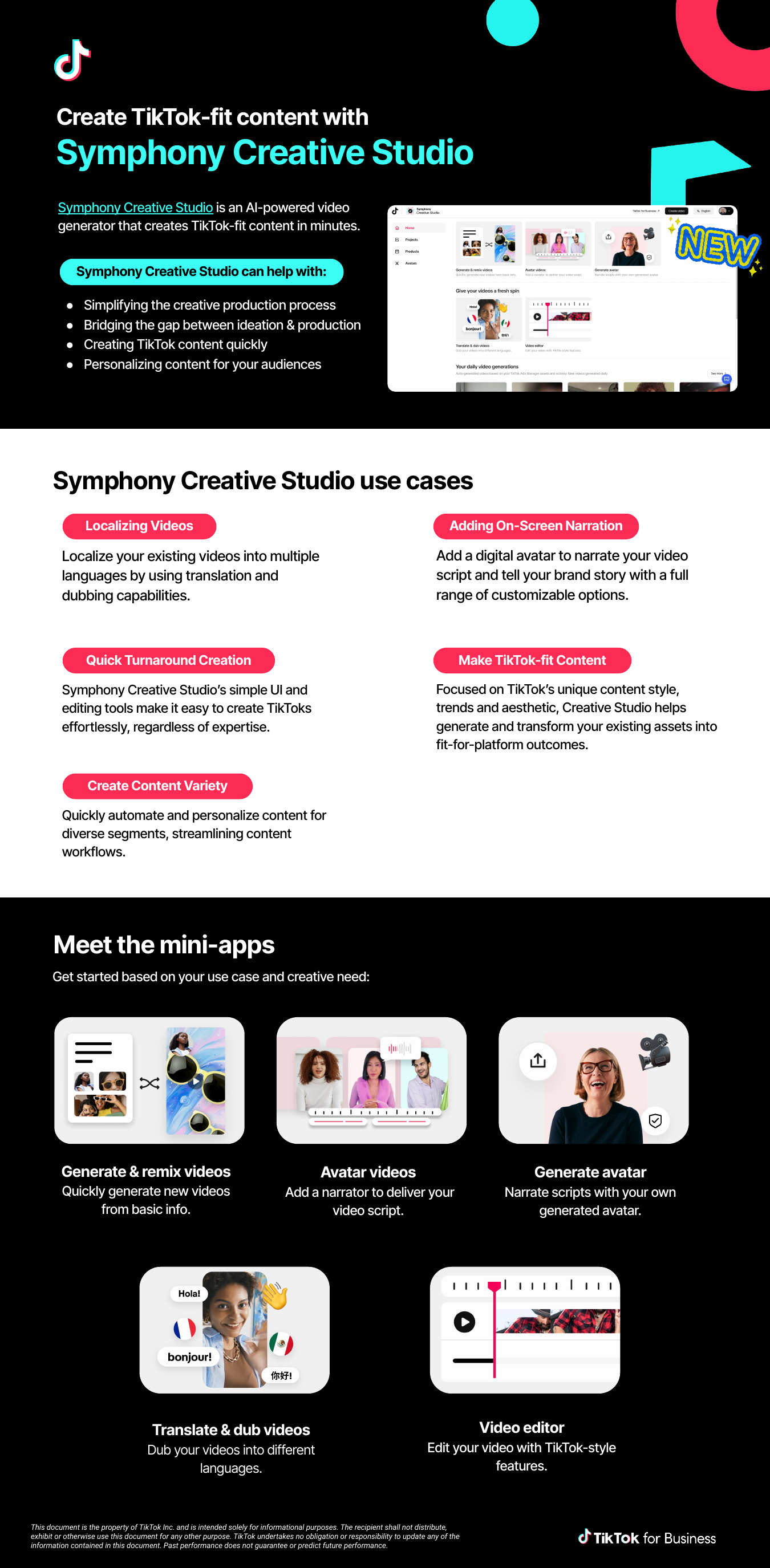
platform watch 2024
The platform introduced licensed stock actors and custom creator or spokesperson avatars for multilingual branded video.
Read the story
dispatch 2024
hololive production's first world tour placed one cross-branch virtual lineup at conventions in five cities during 2024.
Read the story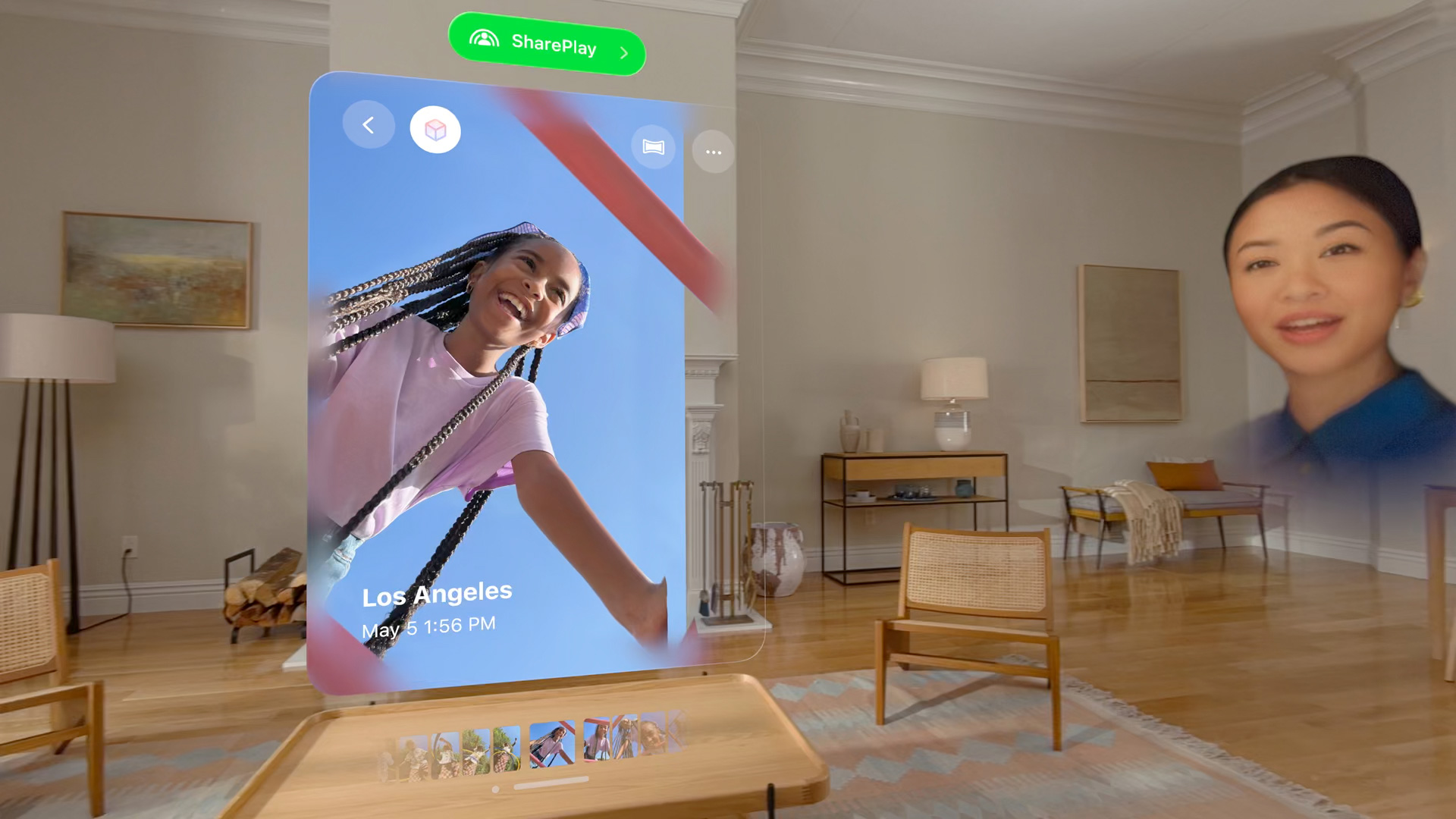
platform watch 2024
Apple's 2024 SharePlay guidance showed Spatial Personas arranged around the same app content, moving the Persona beyond a FaceTime tile.
Read the story
platform watch 2024
NVIDIA's 2024 release packaged speech, language, facial animation and rendering services for companies building interactive digital people.
Read the story
platform watch 2024
The Horizon OS licensing announcement framed identity, avatars, friends and social graphs as a layer that could move across mixed-reality devices and spaces.
Read the story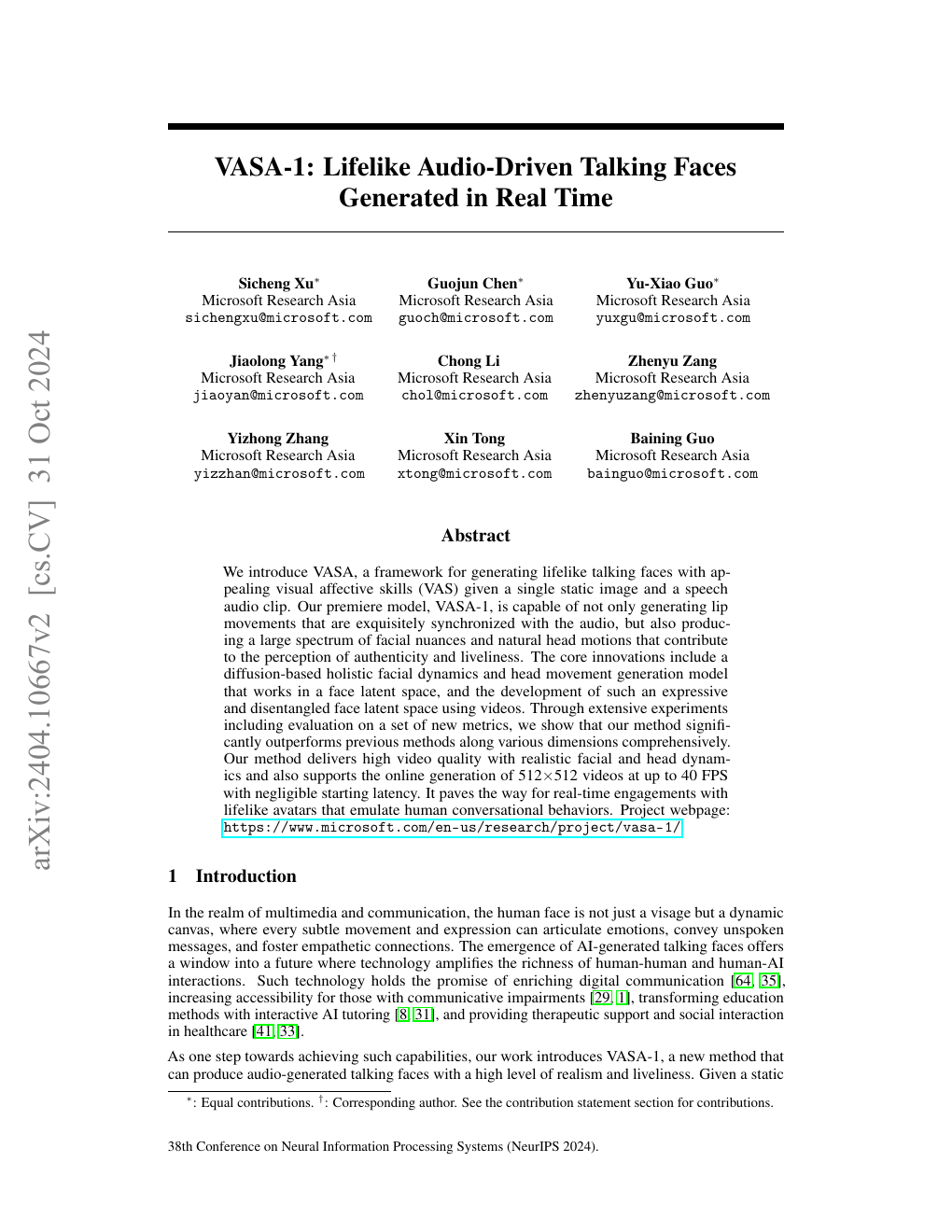
research 2024
Microsoft Research demonstrated audio-driven talking faces while explicitly withholding an online demo, API and product release because of misuse concerns.
Read the story
explainer 2024
The 2024 Genies Tool Kit combined an avatar framework, persistent traits and automatic rigging for creator-built experiences.
Read the story
platform watch 2024
Epic's 2024 UEFN integration let creators import MetaHumans as NPCs and apply captured facial animation to them or to Fortnite characters.
Read the story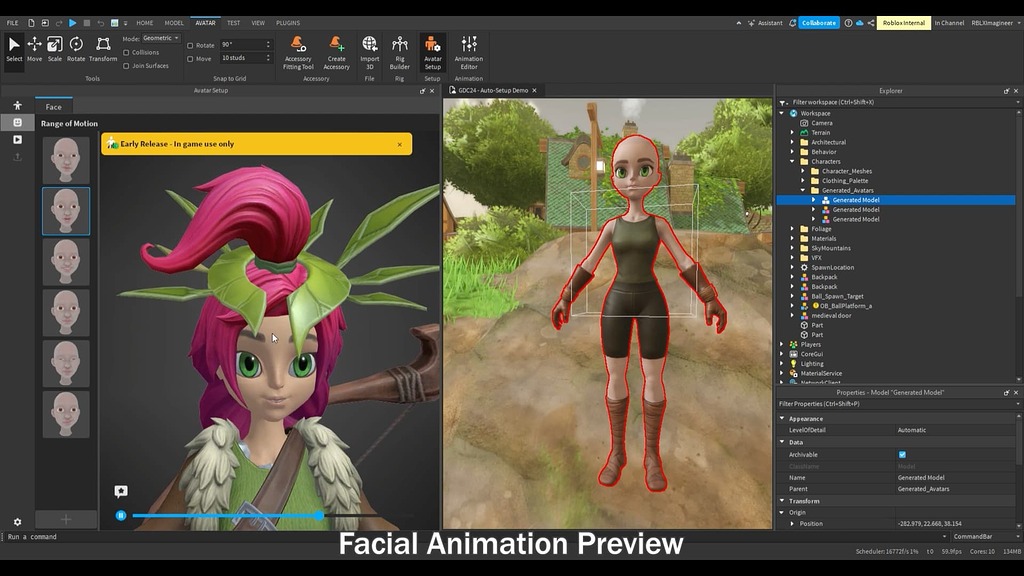
platform watch 2024
Avatar Auto Setup’s alpha moved rigging, caging, segmentation and skinning closer to the modeler’s first upload.
Read the story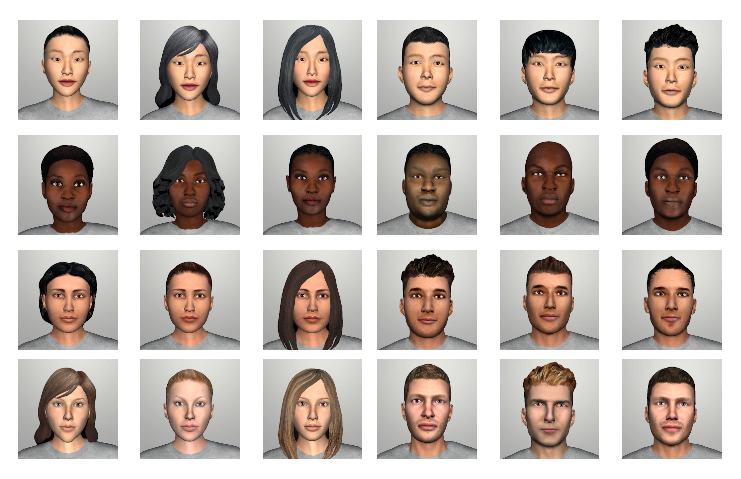
research 2024
A controlled study of matched avatar traits makes a case for meaningful choice, with limits on what “matching” can mean.
Read the story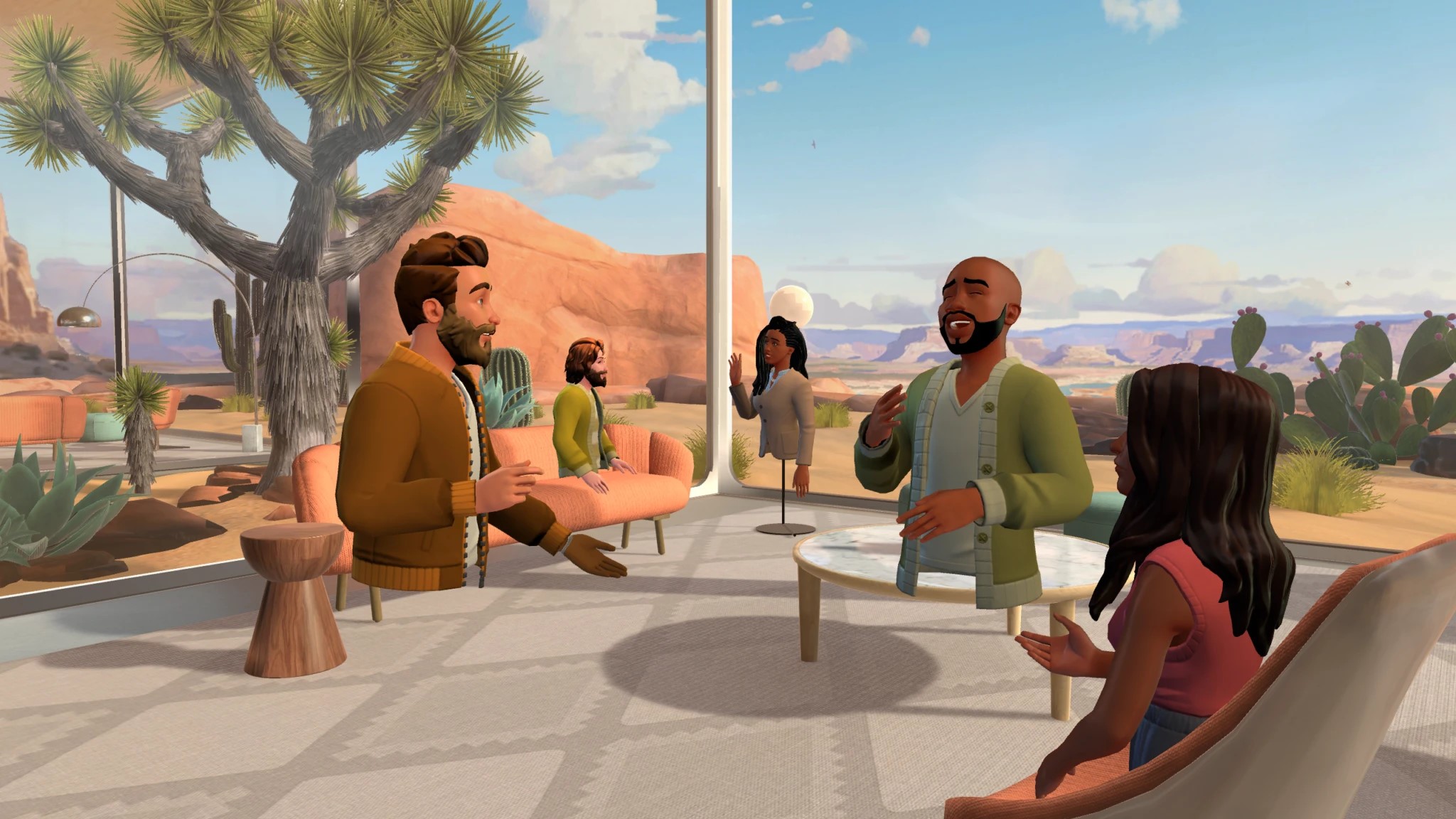
platform watch 2024
Mesh's 2024 general availability connected Teams avatars to shared 3D spaces on PCs and Quest headsets, including custom organizational environments.
Read the story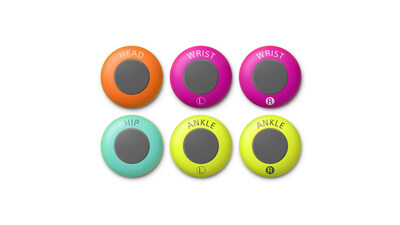
platform watch 2024
Sony's 2024 update added a direct PC workflow for VRChat, SlimeVR integration and more avatar import options to its six-sensor capture system.
Read the story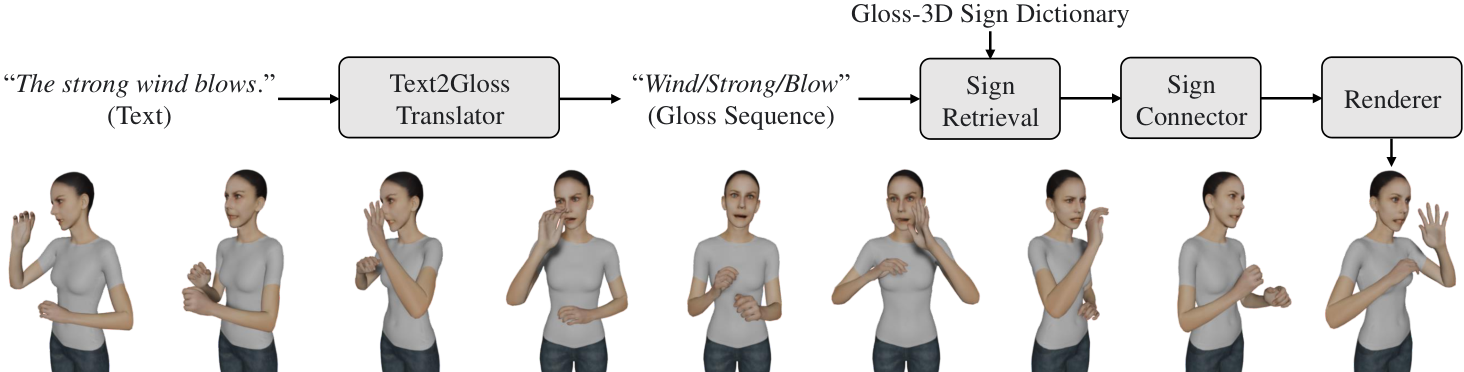
research 2024
Spoken2Sign turns text into an animated signer. Following the steps reveals what a polished character can show—and what it can hide.
Read the story
research 2023
A qualitative study of Chinese-speaking VTubers treats the avatar as a medium for identity work, performance and gender expression. Its interview and observation boundaries matter.
Read the story
platform watch 2023
Warudo’s July 2023 Early Access release combined tracking, scenes, audience interactions and programmable blueprints in one 3D performance tool.
Read the story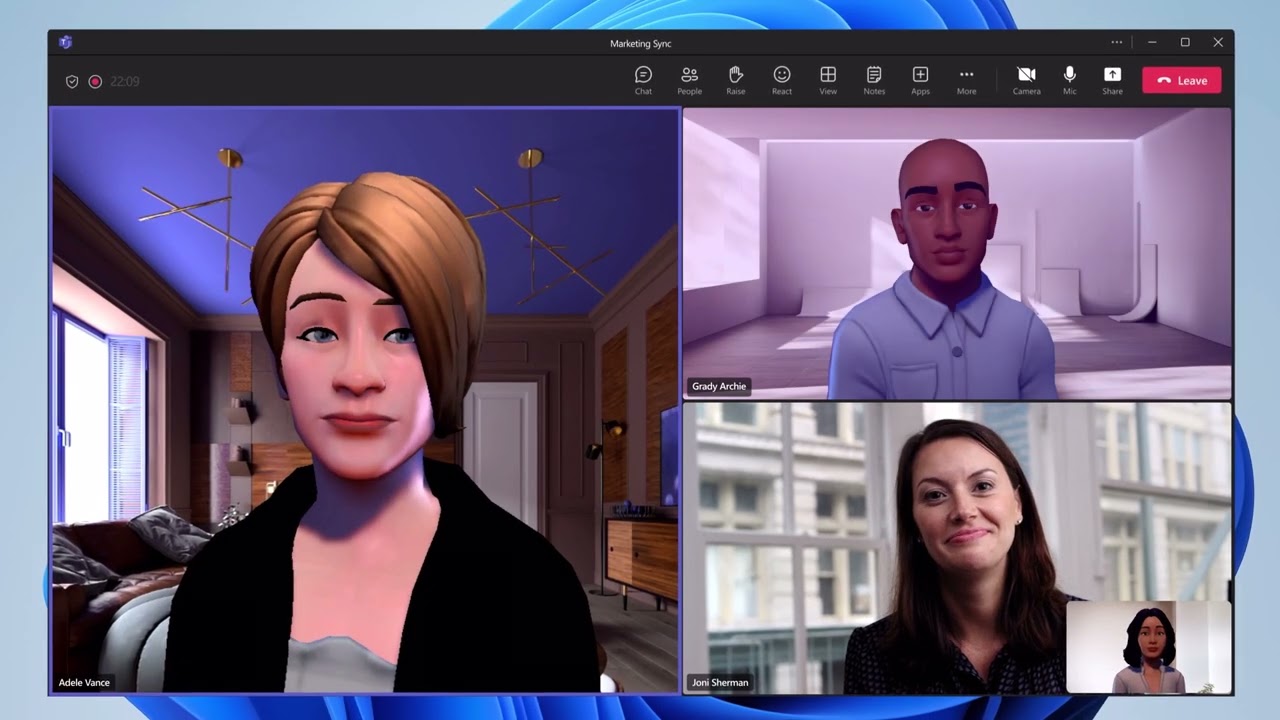
platform watch 2023
Microsoft’s May 2023 release brought customizable animated stand-ins into eligible Teams meetings.
Read the story
platform watch 2023
VRChat’s creator-economy plan began with paid Group roles and described avatar commerce as a later, separate problem.
Read the story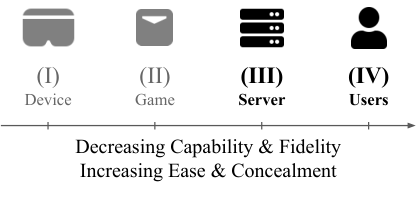
research 2023
A VR study recognized users from head and hand motion within a known dataset. A different face doesn't necessarily break that link.
Read the story
research 2023
An interview study shows why representation and control over disclosure need to be designed together.
Read the story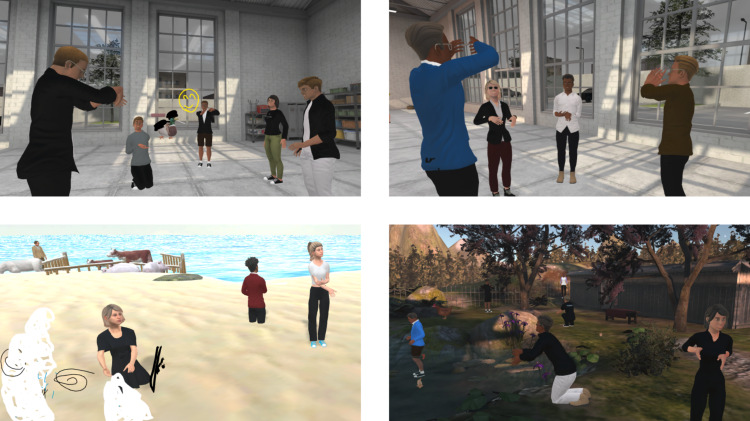
research 2023
A study of repeated social VR sessions follows how groups use distance and orientation over time, giving world builders evidence beyond a single demo.
Read the story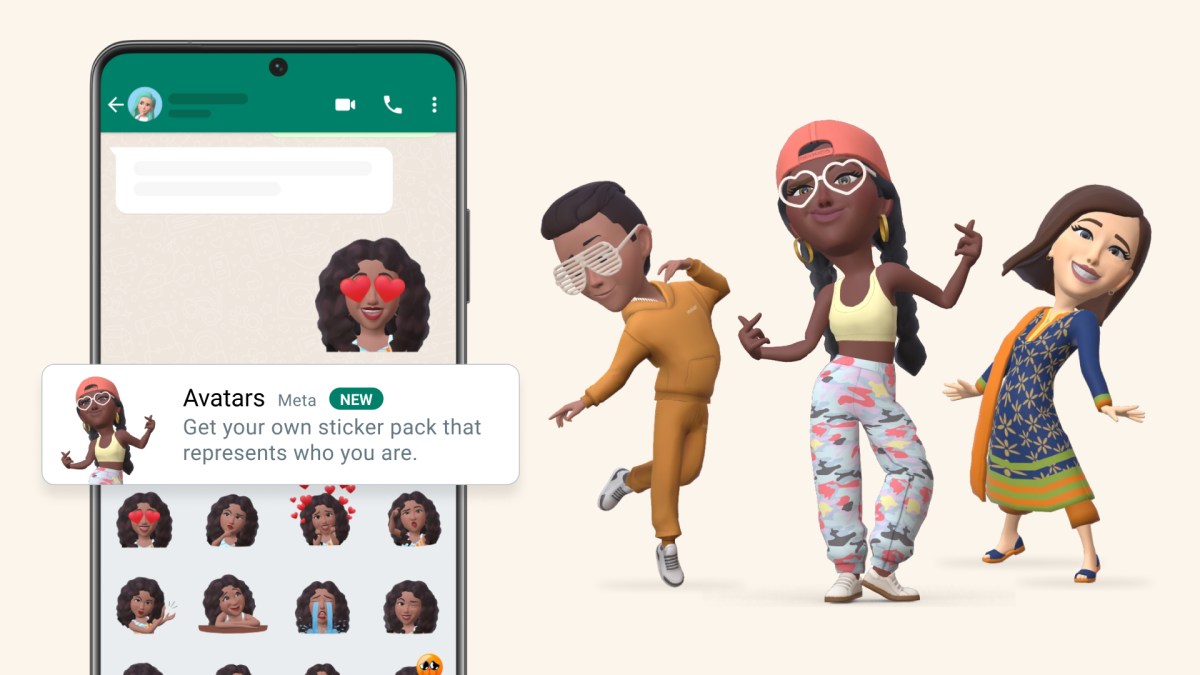
platform watch 2022
WhatsApp’s 2022 rollout offered an avatar as a profile image and a set of 36 personalized stickers.
Read the story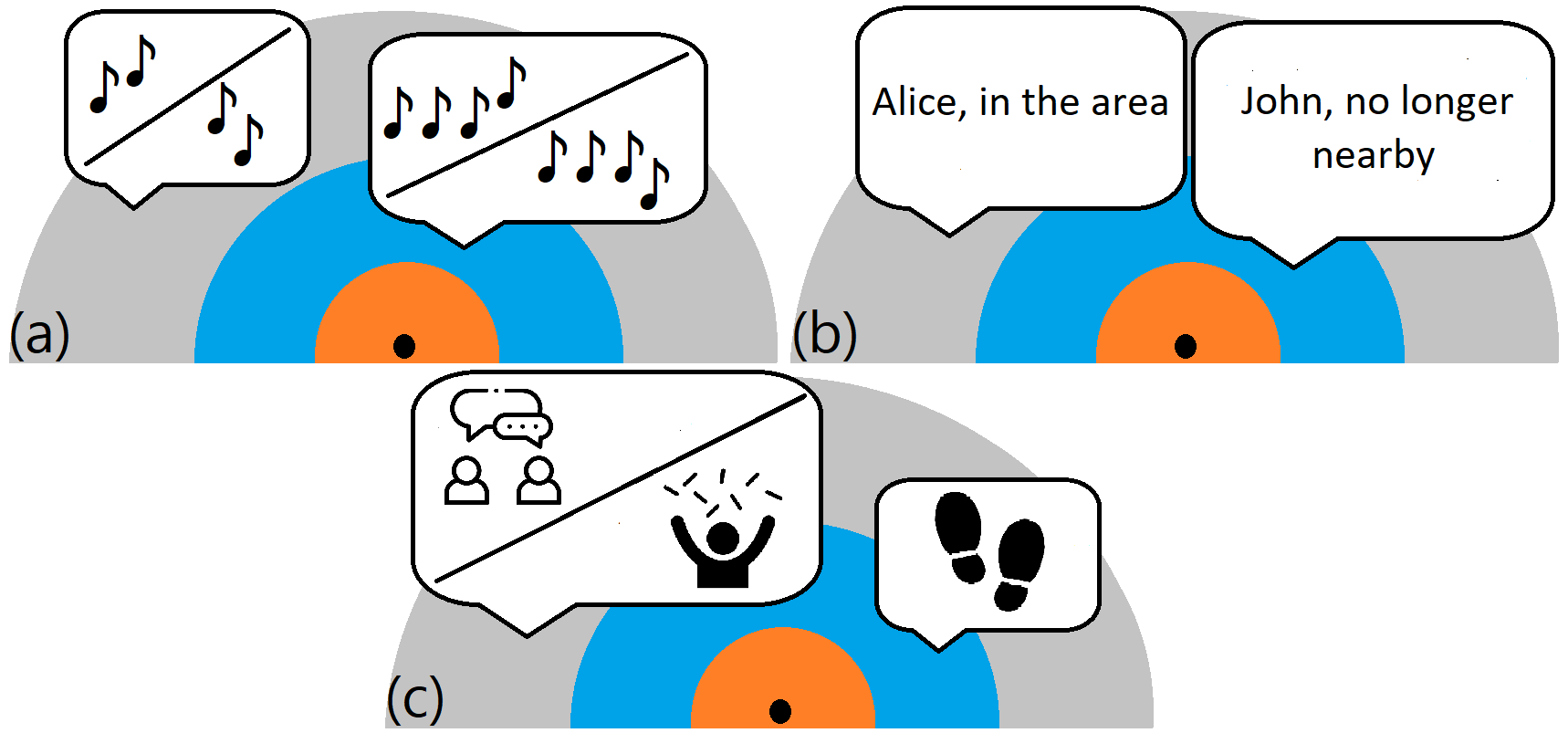
research 2022
VRBubble turns social distance into configurable audio information—and shows why more information can also become a burden.
Read the story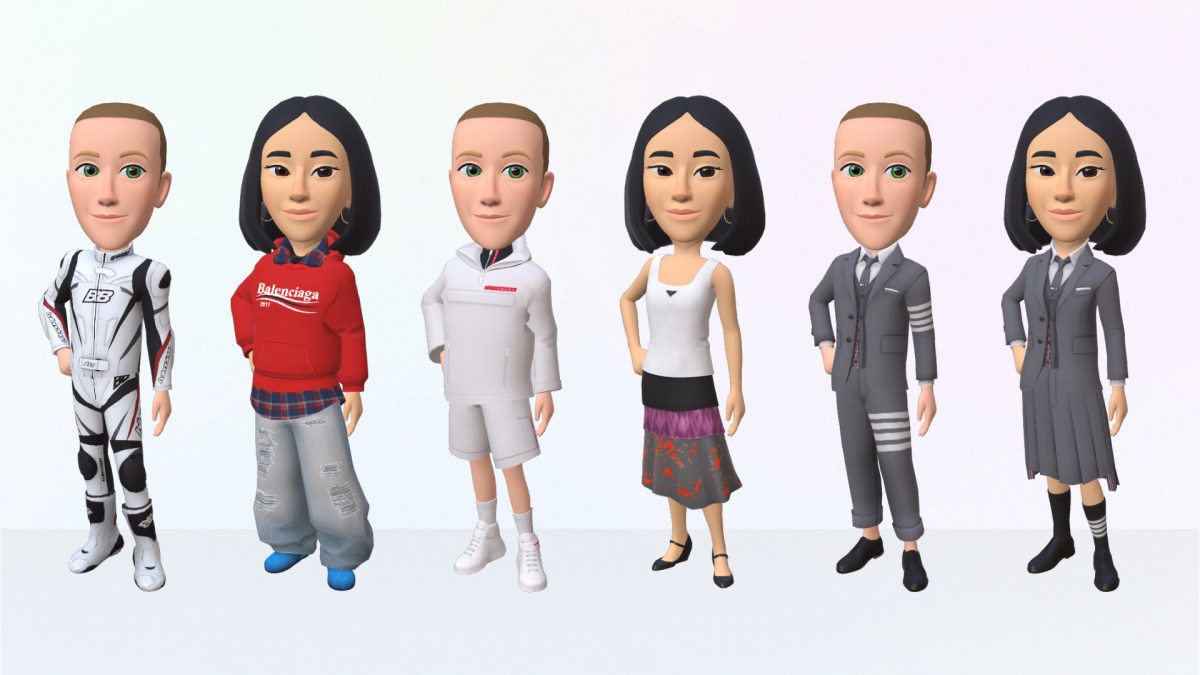
dispatch 2022
Meta’s 2022 store launch placed paid designer outfits beside free avatar clothing across its social apps.
Read the story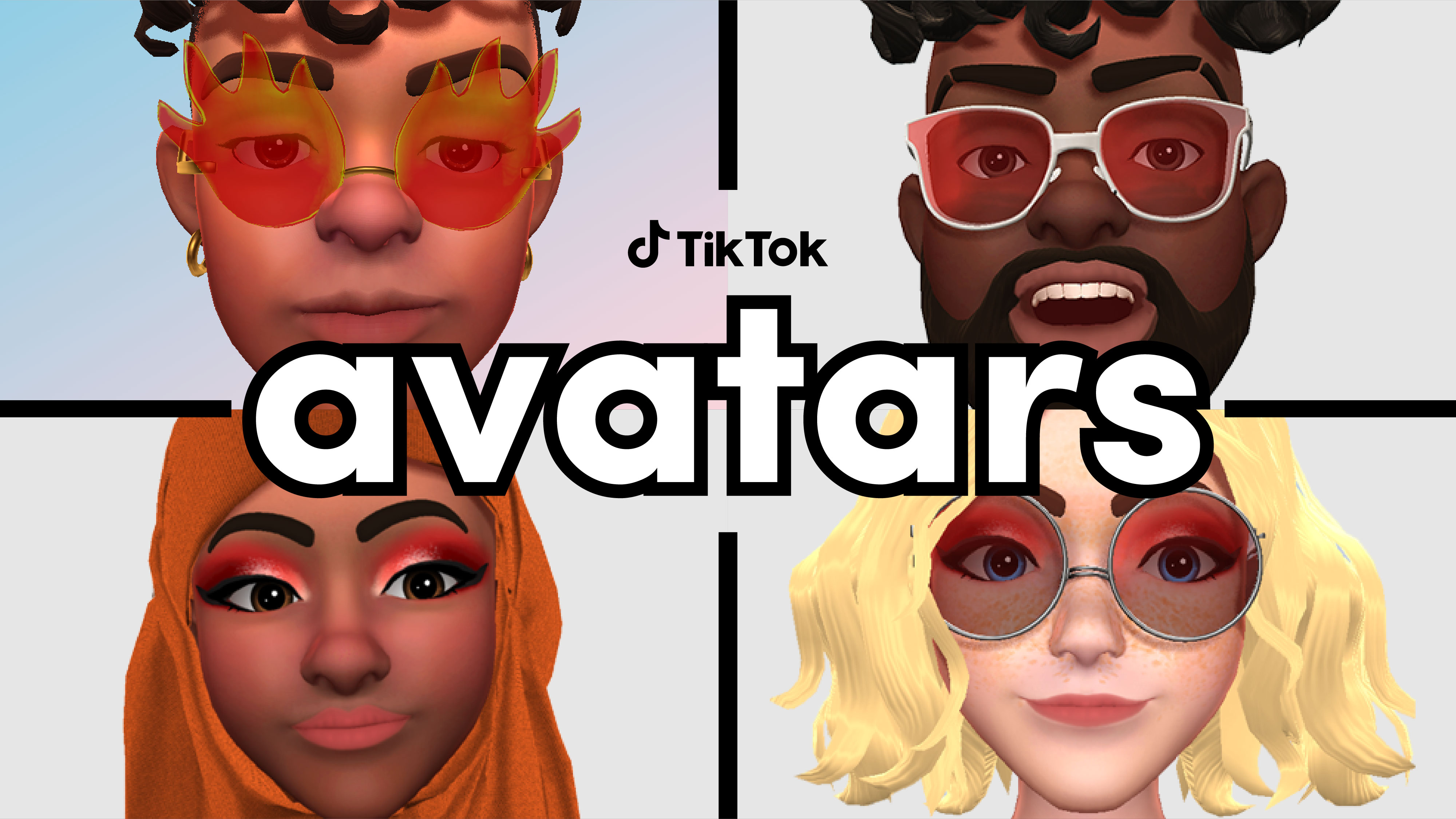
platform watch 2022
TikTok’s 2022 launch put a motion-following customized avatar inside its effects and video-creation flow.
Read the story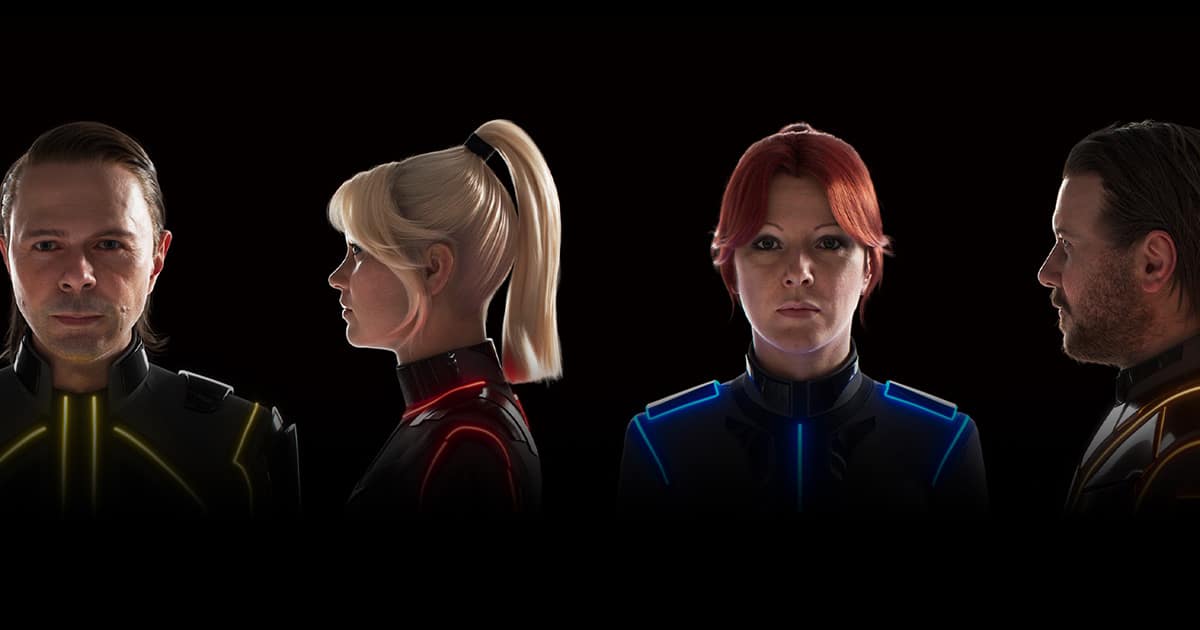
dispatch 2022
The London concert paired digital versions of ABBA with musicians performing live in a purpose-built arena from May 2022.
Read the story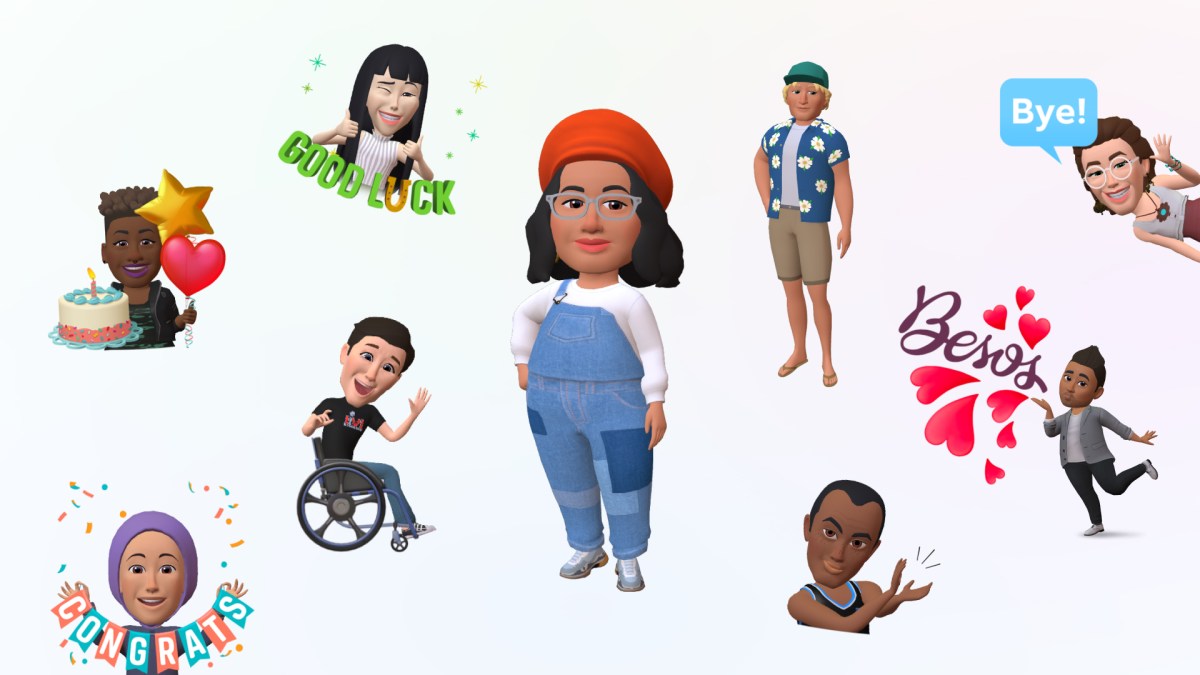
platform watch 2022
Meta’s January 2022 update added hearing devices and wheelchairs while rolling three-dimensional avatars into more social surfaces.
Read the story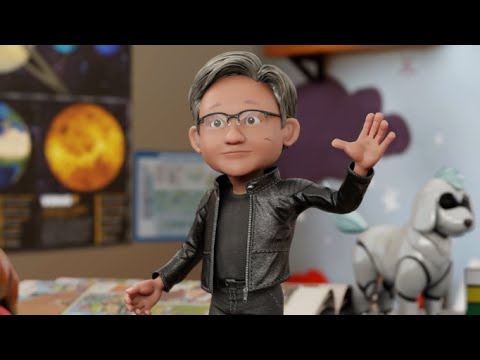
dispatch 2021
NVIDIA’s 2021 announcement joined speech, vision, language and animation into interactive avatar demonstrations.
Read the story
dispatch 2021
Riot’s September 2021 Lost Chapter release aligned a new album, character skins and a staged virtual story.
Read the story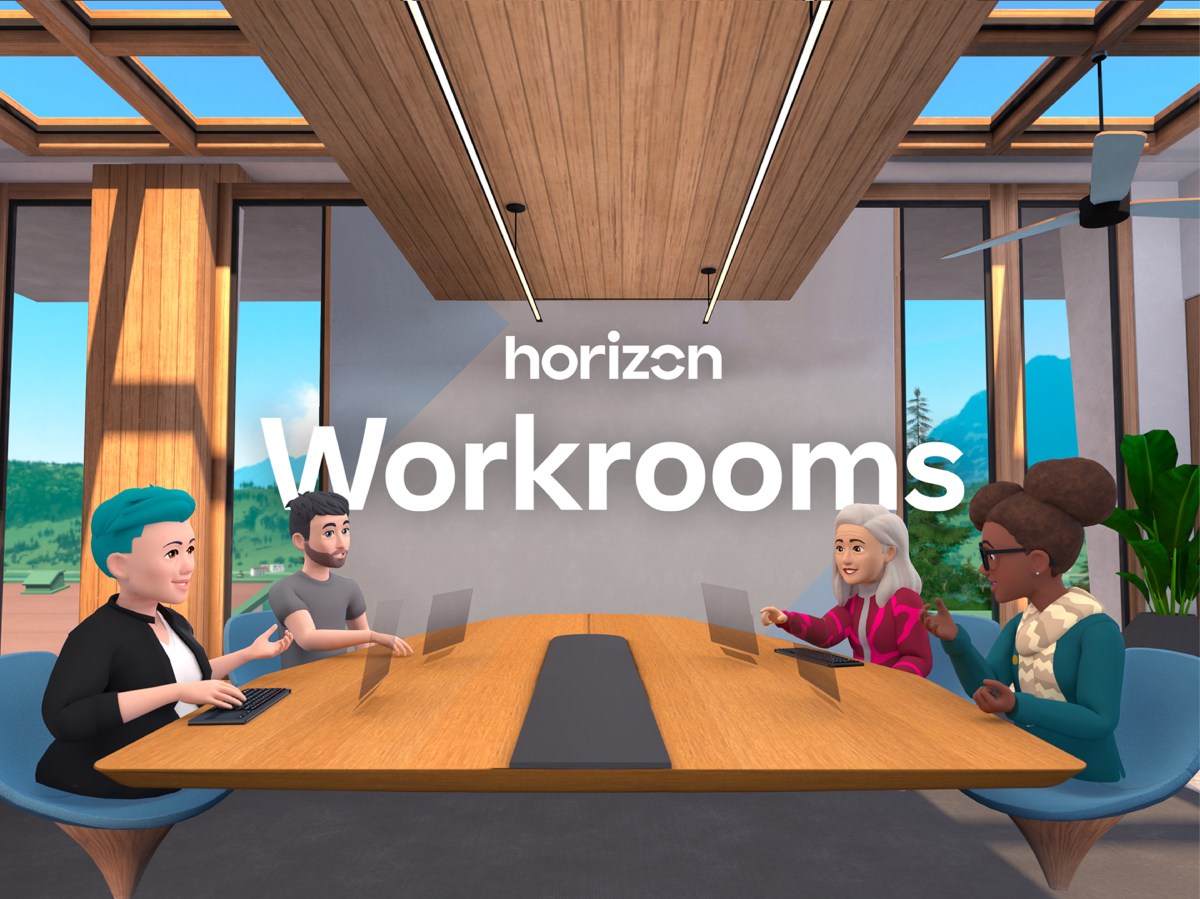
platform watch 2021
Meta’s 2021 open beta used avatars, spatial audio and mixed reality to stage remote collaboration in VR.
Read the story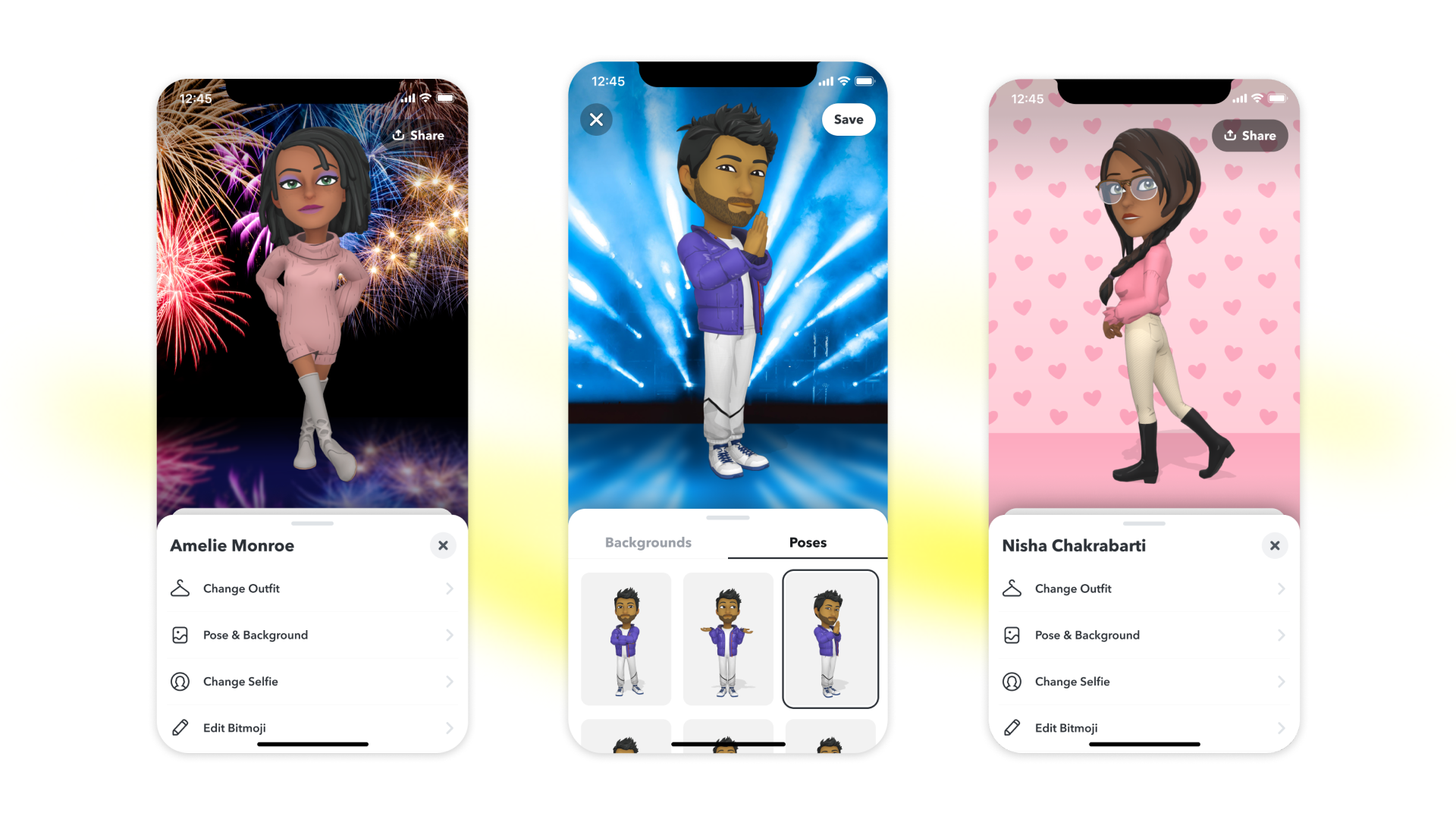
platform watch 2021
Snap’s 2021 update made a posed, three-dimensional Bitmoji part of profiles and friendship pages.
Read the story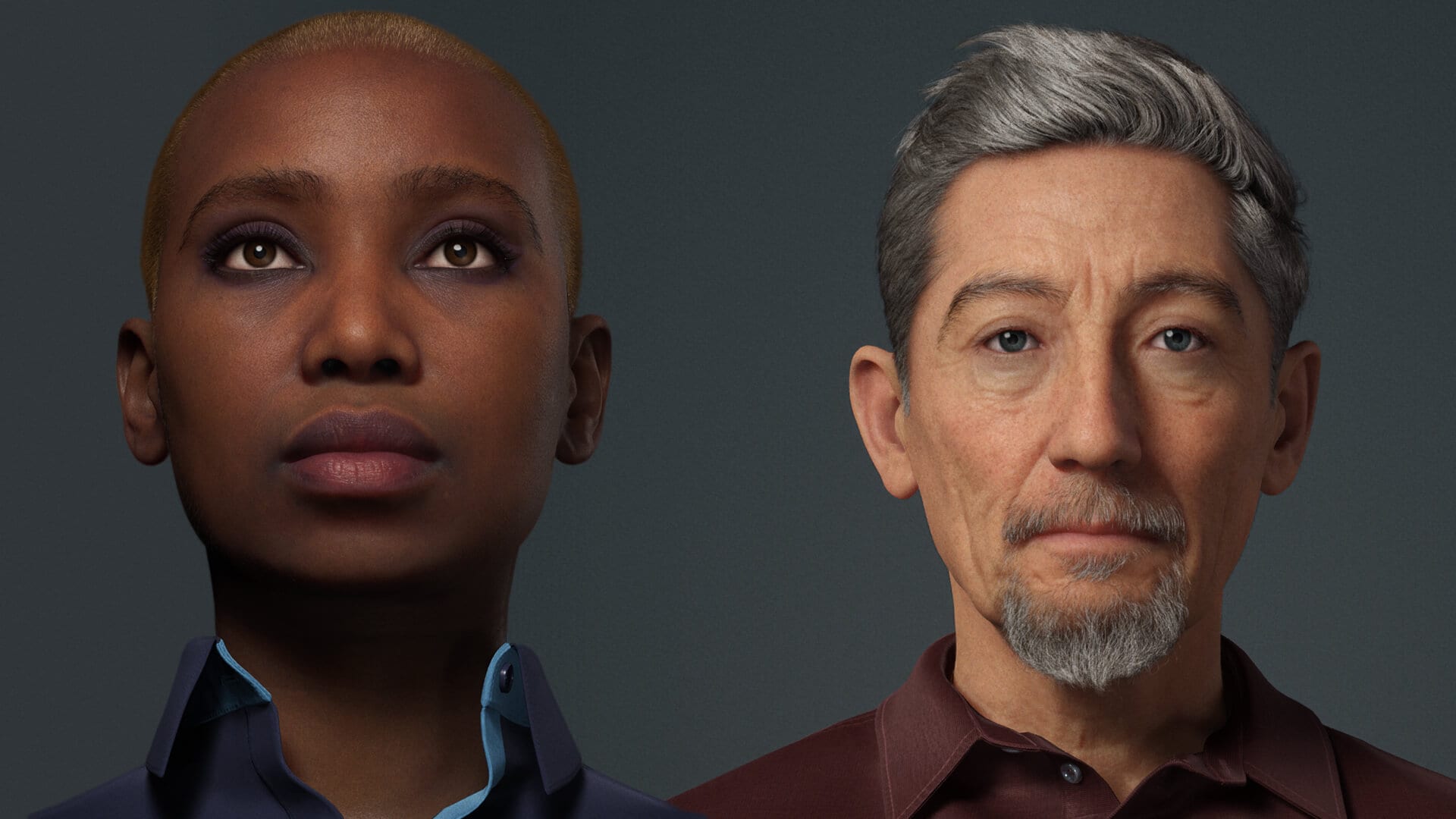
dispatch 2021
Epic’s 2021 early-access release offered a browser route to rigged digital humans that could move into Unreal Engine.
Read the story
platform watch 2021
The March 2021 Steam release packaged face tracking, prop attachment and model import around Live2D VTuber performance.
Read the story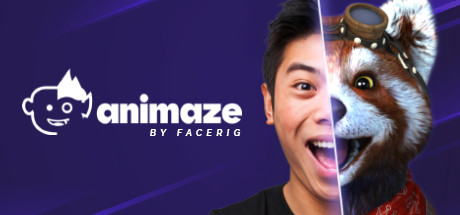
platform watch 2020
Holotech launched Animaze into Steam Early Access in November 2020 as FaceRig’s successor for live avatar video.
Read the story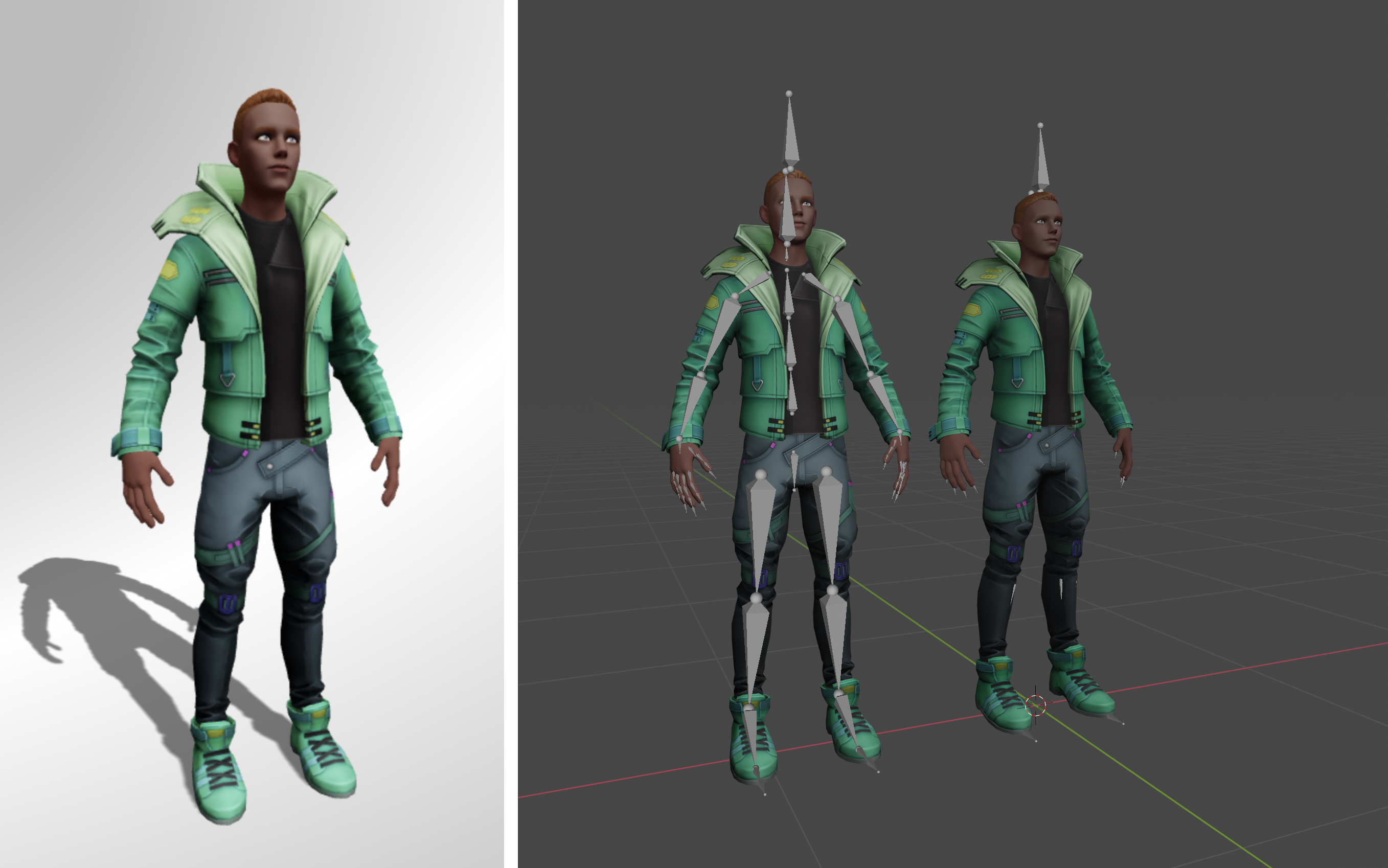
platform watch 2020
An October 2020 product update exposed full-body, rigged avatars for use in partner spaces and creative tools.
Read the story
profile 2020
Cover introduced the five-member Myth unit in September 2020 with coordinated channels and debut streams.
Read the story
dispatch 2019
Riot’s 2019 GIANTS release coordinated five fictional performers with named vocalists and a new visual language.
Read the story
research 2019
An automated conversational avatar was assessed through eight older adults’ first sessions and research-assistant ratings. That is evidence about dialogue handling, not health outcomes.
Read the story
explainer 2018
The VRM 0.x specification defined a glTF-based package for humanoid models, including bones, expressions and usage metadata.
Read the story
dispatch 2018
Riot introduced K/DA through a song, animated video, augmented stage performance and in-game skins on 3 November 2018.
Read the story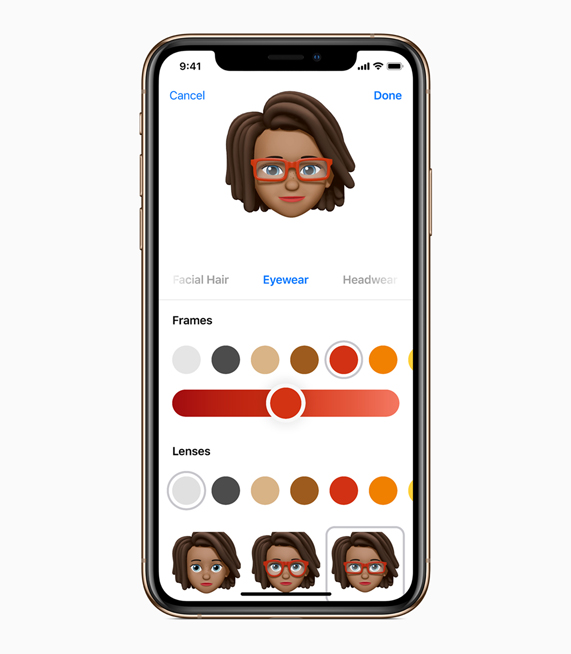
platform watch 2018
Apple’s iOS 12 release placed a customizable, expression-tracked character inside Messages and FaceTime.
Read the story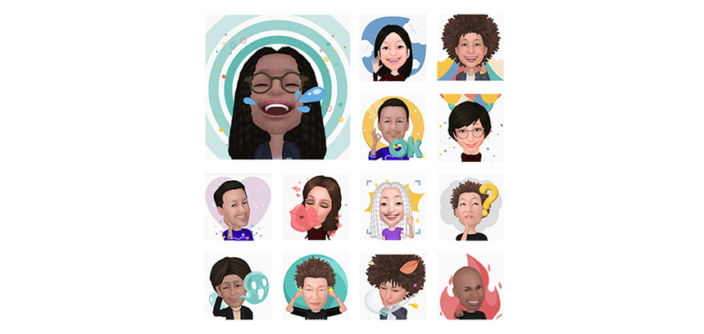
platform watch 2018
Samsung’s 2018 account connected selfie-based avatar creation, face tracking and exported reaction formats.
Read the story
platform watch 2017
VRChat’s 2017 Steam release described a social world whose identities and environments would be built with its community.
Read the story
profile 2016
Kizuna AI’s official history dates the A.I.Channel opening and self-described virtual YouTuber identity to December 2016.
Read the story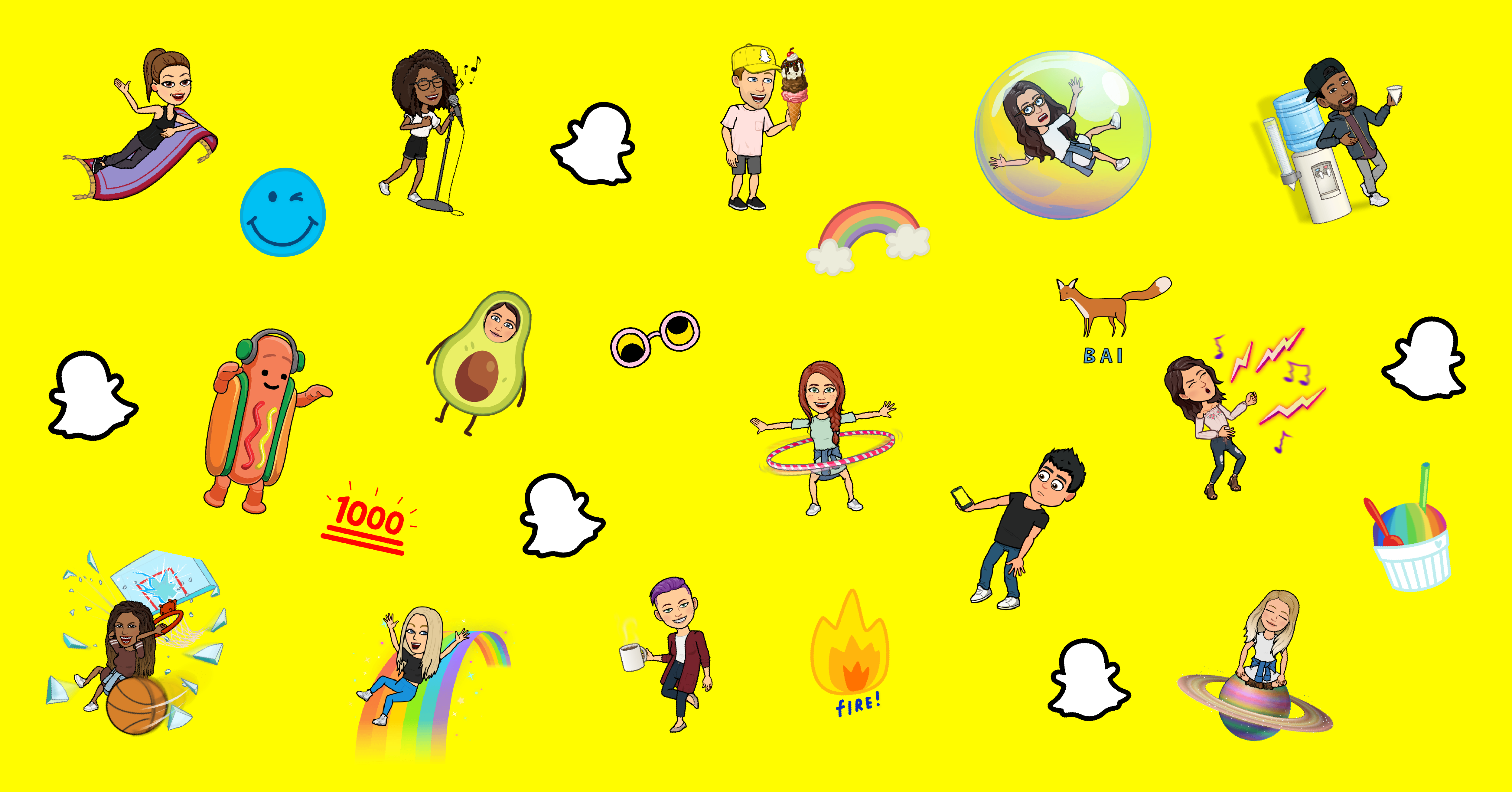
platform watch 2016
Snap’s 2016 integration made a customized cartoon self available inside an active messaging relationship.
Read the story
dispatch 2015
Adobe’s 2015 preview connected camera, microphone and layered artwork so a performer could animate an original character.
Read the story
platform watch 2014
FaceRig’s August 2014 public beta offered an affordable way to drive an avatar with a webcam and send the result into everyday video channels.
Read the story
dispatch 2014
Riot’s 2014 Smite and Ignite release gave a fictional metal group a complete album and production credits beyond the game.
Read the story
dispatch 2014
The first MIKU EXPO combined concerts, exhibitions and creator work in Jakarta in May 2014.
Read the story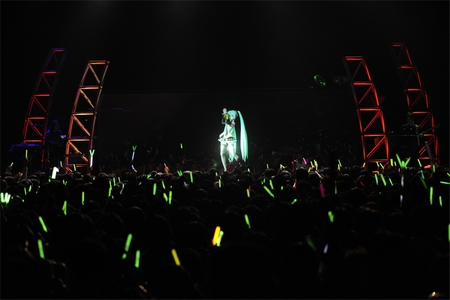
dispatch 2010
A March 2010 concert placed Hatsune Miku’s animated figure before a physical crowd and a live band.
Read the story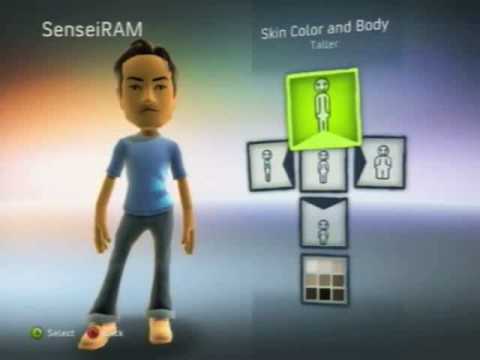
platform watch 2008
The New Xbox Experience made a player-created figure part of the dashboard, profile and social layer in November 2008.
Read the story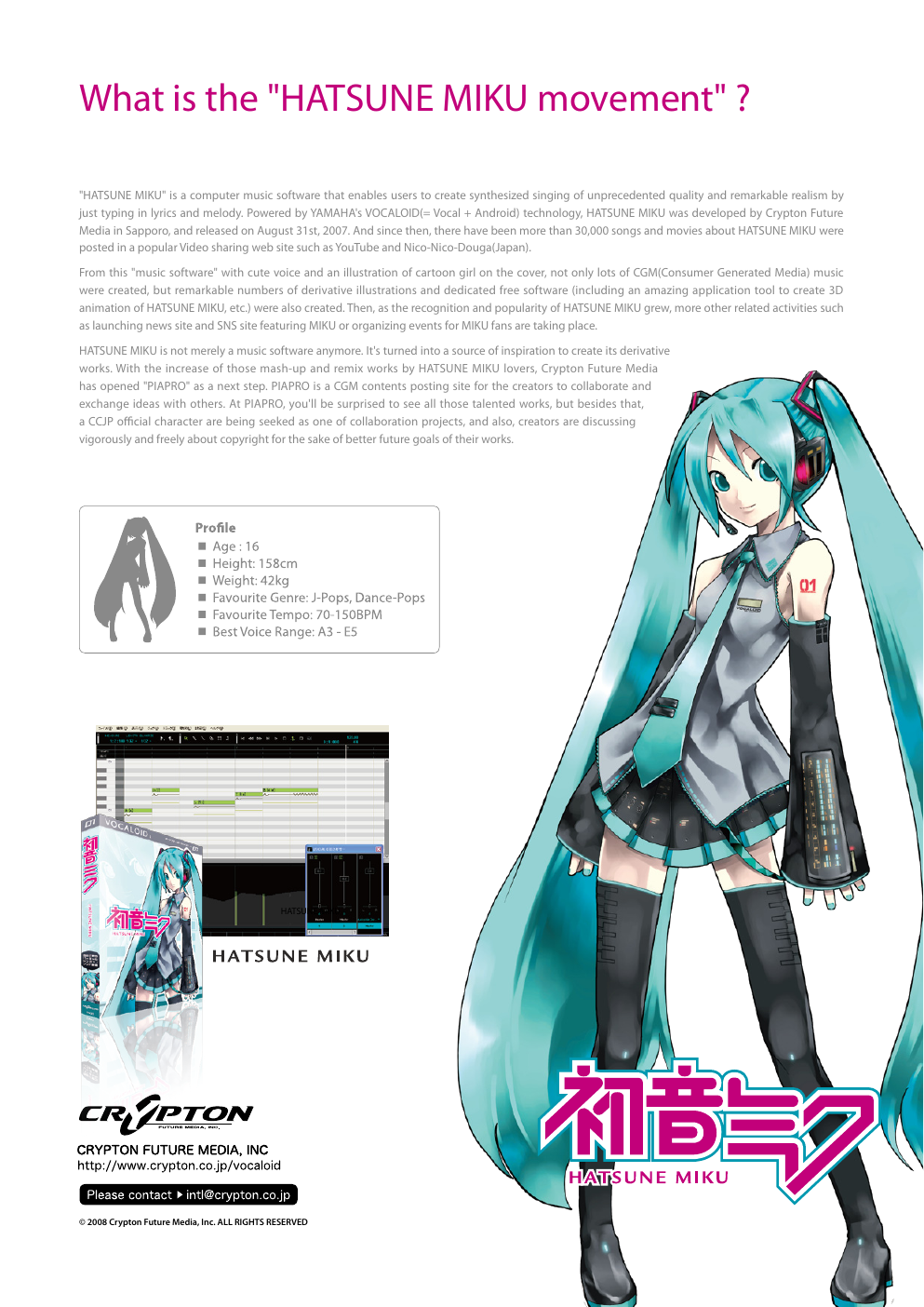
dispatch 2007
Crypton’s 2007 software release paired a synthetic singing voice with a named, illustrated character that creators could reinterpret.
Read the story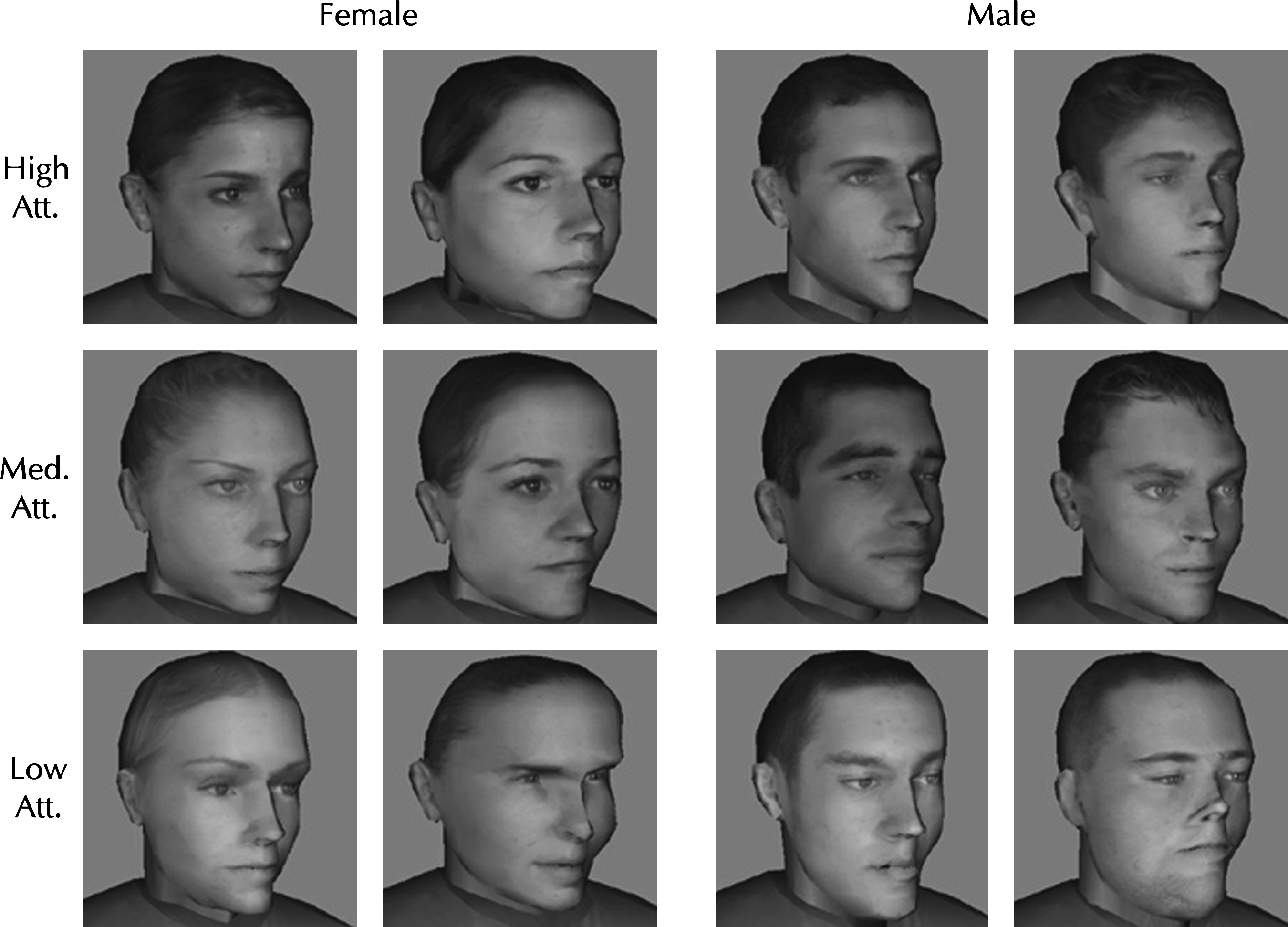
research 2007
A foundational experiment asks whether a digital body changes its wearer. The answer needs its laboratory boundaries.
Read the story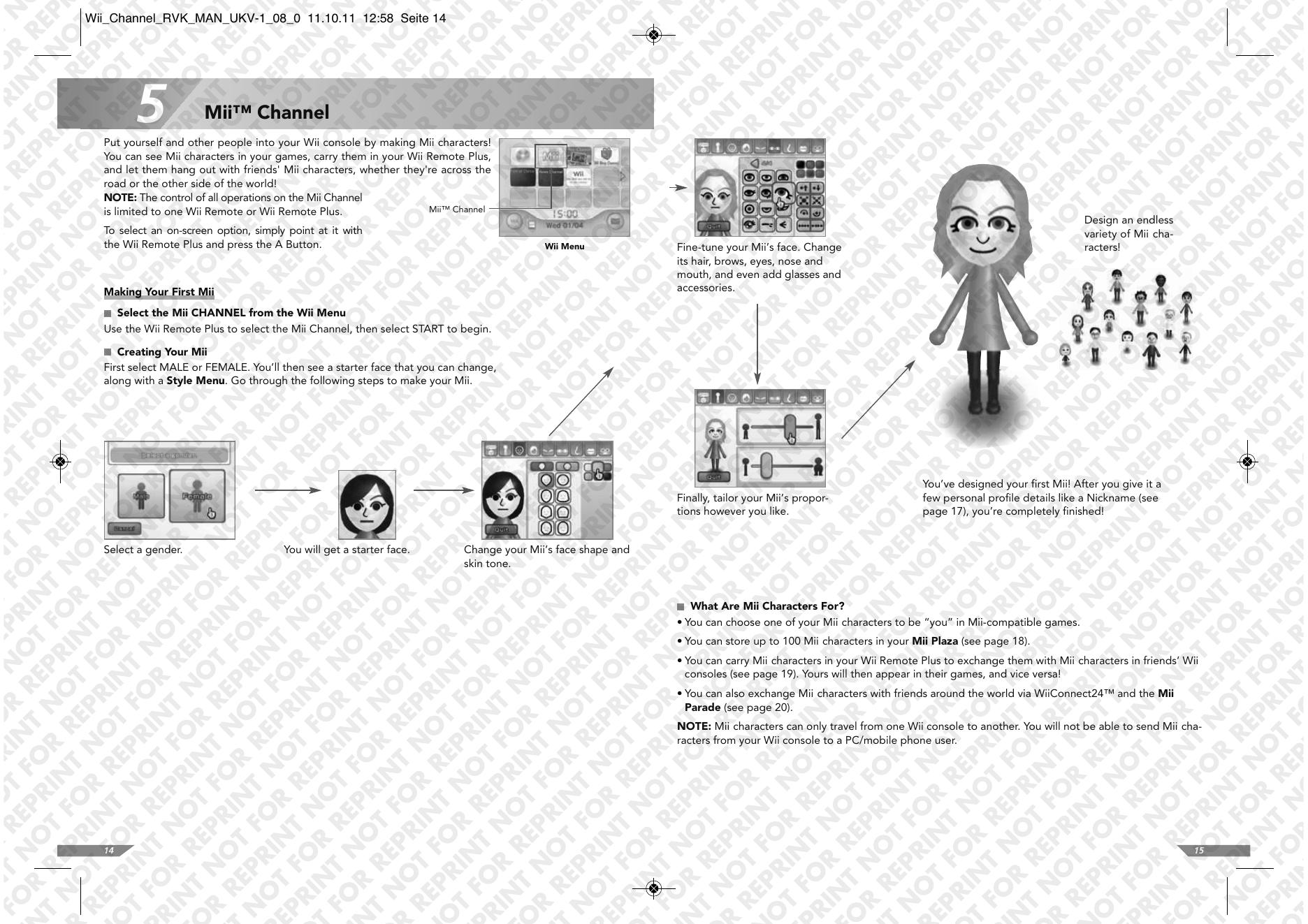
platform watch 2006
Nintendo’s Mii Channel made a compact caricature reusable across the Wii menu, games and friends’ consoles.
Read the story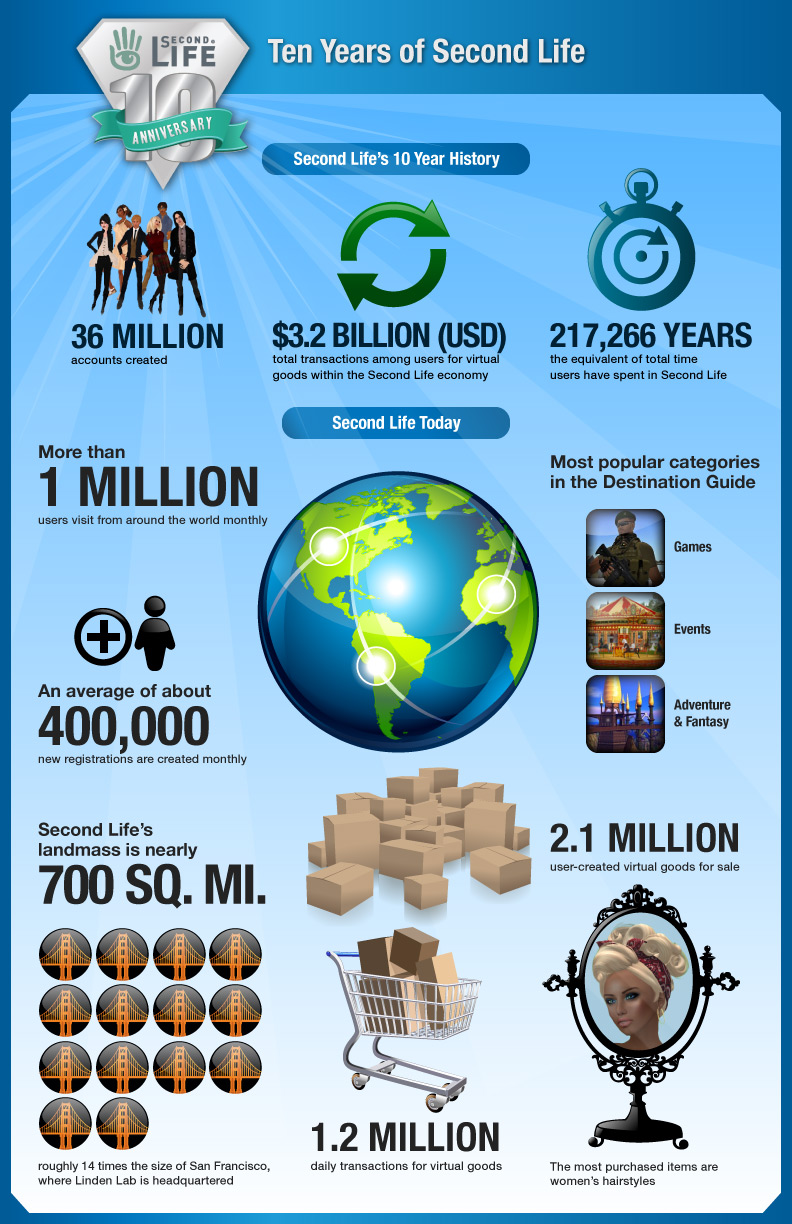
dispatch 2003
Second Life’s 2003 public launch tied a represented body to a persistent, user-built world.
Read the story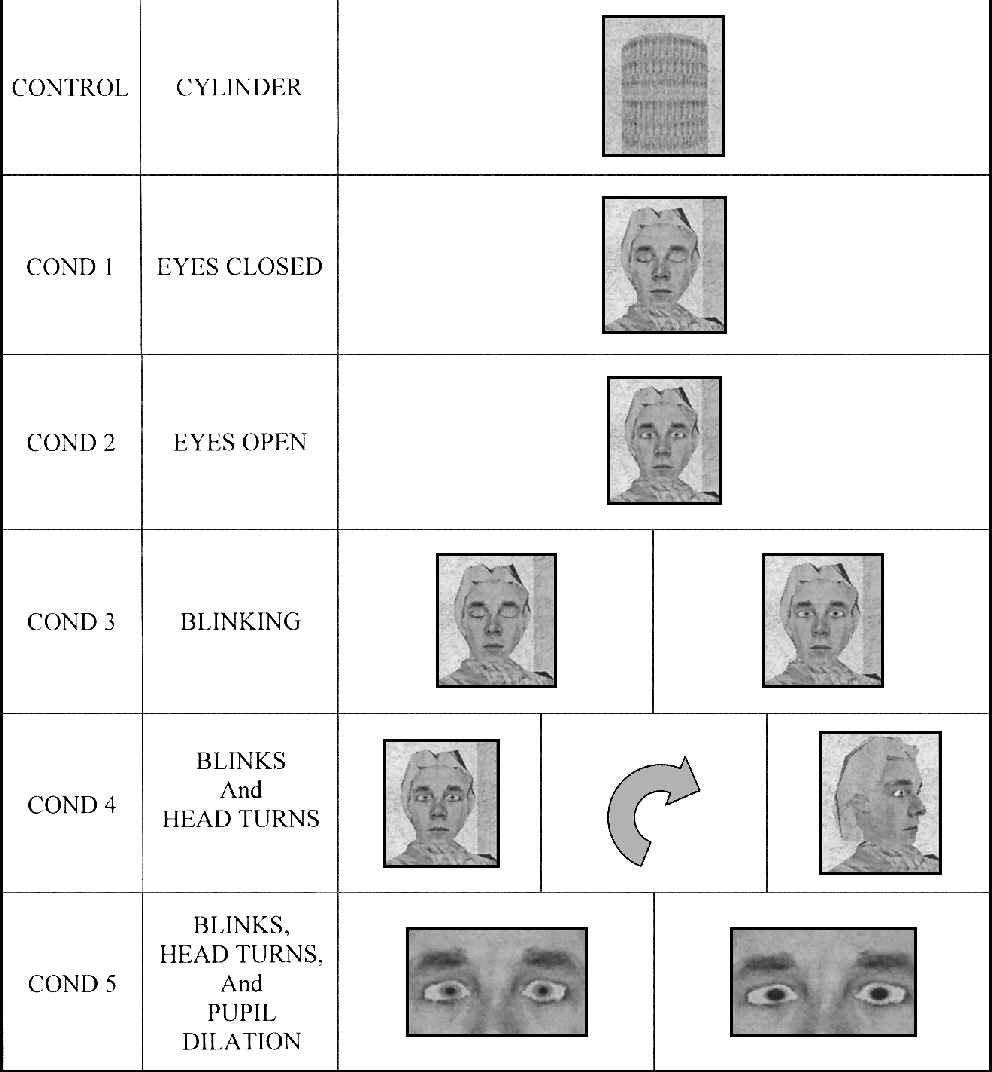
research 2001
A 2001 study of gaze and interpersonal distance shows why avatar history includes behavior as well as better graphics.
Read the story
explainer Reference
Rehearsal reveals what a commission brief cannot: how you actually want to perform.
Read the story